

Bridging Practice & Possibility in OT
Event Details and Schedule
Event Details
Event Schedule
- Building the Bridge: OT Entrepreneurship in Community Reentry After Incarceration (Ariana Gonzalez)
- Hippotherapy (Cara Masselink)
- A New Frontier for OT: Expanding Use of Functional Assessments in Guardianship Decision-Making (*implicit bias session; David Renter and Maureen Mickus)
- From Pain to Participation: OT Strategies for Pain Management (*pain management session; Josie Miller)
- Advocacy as an Occupation: Expanding the OTP’s Role Through Leadership and Public Policy (Laura Aust)
- Occupational Therapists as Inventors? How to turn an adaptive equipment idea into a business! (Lindsay DeLong)
Keynote Session Description
Bridging Practice and Possibility: The Uncommon OT Journey

Patricia Motus
Occupational therapy has always been rooted in creativity, adaptation, and participation, yet many practitioners still feel confined by narrow definitions of what OT "should" look like. Through an autobiographical exploration of her unconventional career journey spanning mental health, community practice, homelessness services, trauma-informed care, program development, advocacy, podcasting, entrepreneurship, and education, Patricia Motus, OTR/L, CTIS, RYT shares how the occupational therapy lens can create impact far beyond traditional practice settings. Rather than viewing non-traditional practice as a departure from occupational therapy, this keynote reframes it as a continuation of the profession's pioneering roots: identifying unmet needs, building meaningful solutions, and creating access where it does not yet exist. Grounded in AOTA's Vision 2030, the second half of the keynote shifts from story to action, inviting participants to reflect on their own professional journeys and explore new possibilities for growth and contribution. Attendees will identify transferable skills, recognize emerging opportunities, and consider how their strengths, interests, and experiences can shape future career paths. Participants will leave with practical strategies for navigating professional growth and renewed inspiration to expand where and how their OT lens can create impact.
Keynote Speaker Bio
Patricia Motus, OTR/L, CTIS, RYT
Patricia is an occupational therapist, educator, mentor, yoga teacher, and host of The Uncommon OT Series podcast. For more than 25 years, she has worked across mental health, community-based practice, homelessness services, trauma-informed care, program development, and behavioral health, helping expand occupational therapy into settings where OT services did not previously exist. Throughout her career, she has developed occupational therapy programs, supervised and mentored students, and championed innovative approaches that increase access, participation, and belonging. Currently practicing in Los Angeles, Patricia is passionate about helping occupational therapy practitioners recognize the versatility and impact of the OT lens. Through her clinical work, teaching, mentorship, advocacy, and podcast, she highlights the many ways occupational therapists can create meaningful impact beyond traditional settings. Her keynote, Bridging Practice and Possibility: The Uncommon OT Journey, draws from her own autobiographical journey to inspire practitioners to recognize the transferable power of the OT lens and the opportunities it creates for innovation, purpose, and professional growth.
Breakout Session Descriptions
Building the Bridge: OT Entrepreneurship in Community Reentry After Incarceration
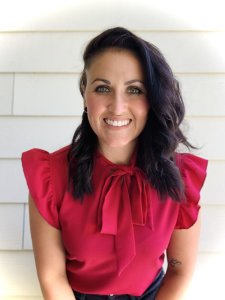
Ariana Gonzalez, OTD, OTRL, CTP, RYT
Life After Incarceration: Transition & Reentry (LAITR) founder, Dr. Gonzalez, takes you on her journey from her OT education, through practice and development of community-centered programs for underserved populations. You'll learn about the hard and soft skills required for OT entrepreneurship in niche areas of practice, best practices for OT working with justice-involved individuals will be explored, and perhaps even more importantly, we'll discuss how to sustain your own health and wellness in the midst of the pursuit.
Hippotherapy
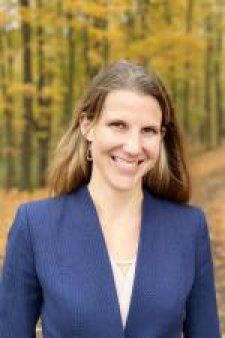
Cara Masselink, PhD, OTRL
Abstract forthcoming.
A New Frontier for OT: Expanding Use of Functional Assessments in Guardianship Decision-Making
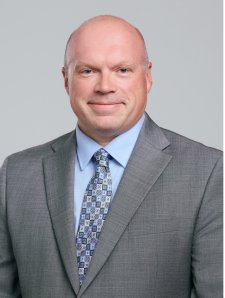
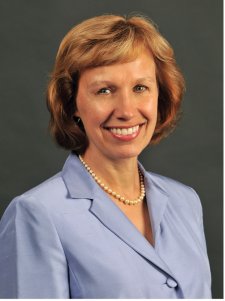
David Renter, OTRL, CLT-LANA and Maureen Mickus, PhD
This breakout session will meet the requirements for implicit bias training while providing an overview of guardianship and introduces a demonstration project, recently funded by the Michigan Department of Health and Human Services, using in-home functional capacity assessments for at-risk older adults. The initiative — a partnership among the WMU Department of Occupational Therapy, the Michigan Advancing Guardianship Innovations Center, and Adult Protective Services — aims to generate findings that inform legal and advocacy professionals in guardianship determinations.
Adult guardianship is a court-ordered process authorizing a guardian to make decisions for adults who lack decision-making capacity. While intended to protect vulnerable adults, guardianship can restrict autonomy and has raised concerns about abuse, financial mismanagement, and disregard for individual preferences. A central challenge is accurately assessing decision-making capacity, which varies across domains and over time; in the U.S., evaluations often emphasize medical diagnoses over functional performance.
Advocacy as an Occupation: Expanding the OTP’s Role Through Leadership and Public Policy

Laura Aust, OTD, OTR
Occupational therapy's impact extends far beyond traditional practice settings and individual client outcomes, reaching into the systems, policies, and communities that shape health and participation. This session examines advocacy as a natural extension of occupational therapy practice and explores how professionals can advance access, equity, and quality of care through public policy engagement. Drawing from experiences with the Indiana Occupational Therapy Association and the Alzheimer's Association, participants will gain a deeper understanding of the profession's role in shaping systems and improving population-level outcomes.
From Pain to Participation: OT Strategies for Pain Management
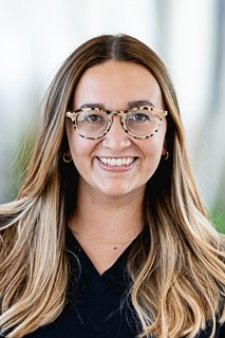
Josie Miller, MS, OTRL
Pain is one of the most common reasons individuals seek rehabilitation services, yet traditional biomedical approaches often fail to fully explain the complex relationship between pain, function, and participation. This session will explore contemporary pain neuroscience concepts and the biopsychosocial factors that influence the pain experience. Emphasis will be placed on helping clients engage in meaningful activities despite persistent pain, ultimately supporting improved participation, health, and well-being.
This session will meet the requirements for Michigan LARA's pain and symptom management training.
Occupational Therapists as Inventors? How to turn an adaptive equipment idea into a business!
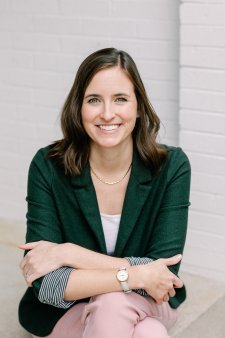
Lindsay DeLong, MS, OTRL
Occupational therapists spend their careers identifying barriers and finding creative ways to help people participate more fully in everyday life. That same problem-solving mindset can also be the foundation for product innovation. This presentation follows the real-world journey of an occupational therapist moving from clinician → problem identifier → product developer → entrepreneur. Using the development of an adaptive product business as the central case study, the talk explores what happens after someone says, “There has to be a better way to do this.” Get ready for a messy and unexpected story of EquipMeOT and EOT Wellness!
Breakout Session Speaker Bios
Laura Aust, OTD, OTR
Laura Aust is the Territory Director of Grassroots Advocacy for the Alzheimer's Association, where she mobilizes volunteer advocates and cultivates relationships with state and federal legislators to advance policies that support individuals impacted by Alzheimer's and other dementia. Laura has also served as President of the Indiana Occupational Therapy Association since 2021, leading initiatives that strengthen the profession, support practitioners, and advance occupational therapy's role within healthcare and public policy. She also serves on the Accreditation Council for Occupational Therapy Education (ACOTE) Roster of Accreditation Evaluators, contributing to the quality and advancement of occupational therapy education programs nationwide. A licensed occupational therapist, Laura brings a unique perspective to advocacy and public policy. After four years of clinical practice as a school-based occupational therapist, she transitioned into this non-traditional public policy role and enjoys helping occupational therapy practitioners and students recognize their potential to influence systems, shape policy, and create meaningful change beyond traditional practice settings.
Lindsay DeLong, MS, OTRL
A bit more about Lindsay, founder of EquipMeOT and EOT Wellness! She has been a licensed OT in Michigan since 2012 and has split her time working inpatient at a world-class rehab hospital and home-based therapy providers. She has specialized in trauma recovery and neurological rehabilitation. She has also spent many years working with incredible assistive technology and custom equipment specialists to problem-solve complex care needs. She is passionate about bridging the gap between the hospital world and the home environment through physical adaptations and a commitment to problem-solving. Her ultimate goal is to create a library of content to provide easily accessible information to anyone coping with physical or cognitive limitations.
Josie Miller, MS, OTRL
Josie is an occupational therapist in the outpatient setting at Mary Free Bed. She specializes in supporting patients with hypermobile Ehlers-Danlos syndrome (hEDS), postural orthostatic tachycardia syndrome (POTS), chronic pain, fibromyalgia, and functional neurological disorder (FND). She is passionate about pain science and empowering individuals to return to the activities and roles that matter most to them.