
WMU welcomes Indigenous leaders as elders in residence
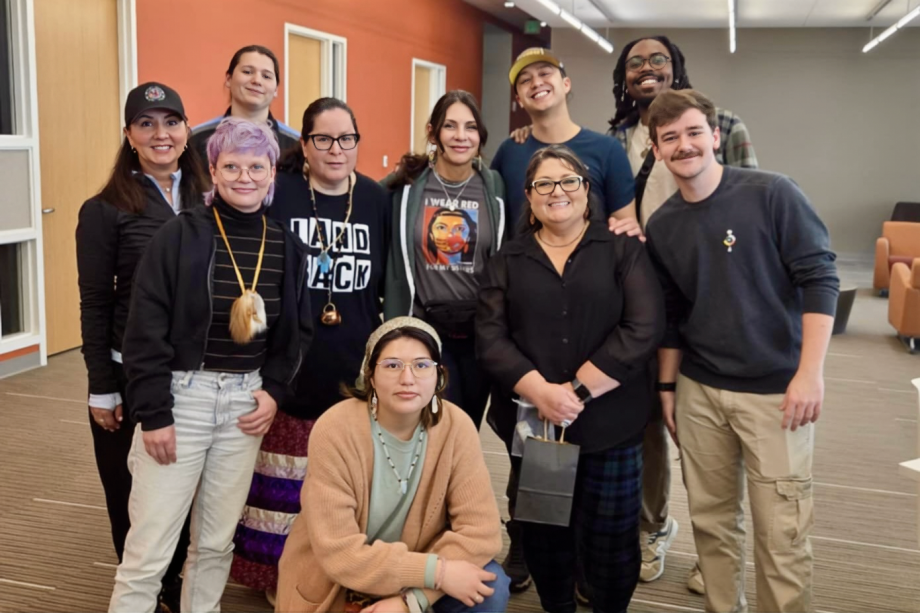
KALAMAZOO, Mich.—Two Native American leaders are joining the Western Michigan University campus community. Robin Greymountain, of the Sault Ste. Marie Tribe of Chippewa Indians, and Shannon Martin, of the Match-E-Be-Nash-She-Wish Band of Pottawatomi, are the University’s first elders in residence—part of a new program supported by the Native American Heritage Fund.
“I’m excited to share space with the students and build on an already vibrant Native American community at Western Michigan University,” says Martin.
“Generational support is so important,” adds Greymountain. “This program will help to create a culture of understanding and support not only for Native students but also throughout the whole University for all students interested in Indigenous culture.”
Greymountain and Martin, appointed after a comprehensive search by WMU’s Native American Affairs Council and Native American Student Organization (NASO), will hold regular office hours on campus and participate in events over the next year to share traditional knowledge and cultural teachings.
“Native and Indigenous students bring unique strengths, values and perspectives to the University learning environment,” says Dr. Dee Sherwood, director of the Native American Affairs Council. “One of those strengths is a deep appreciation for the role of elders in families and communities as teachers.”
The Elders in Residence program provides opportunities for students to connect with elders to seek guidance in areas such as coping with stress, finding balance and improving well-being.
“Shannon and Robin will offer vitally important support to Native and Indigenous students, and students of all backgrounds, cultures and faiths,” Sherwood says.
NASO student leaders were instrumental in designing the program. Shabanaa Bush, NASO secretary and aerospace engineering student, adds, “The Elders in Residence program is something that supports intergenerational learning and provides connections to community and culture. It provides a sense of belonging and pride.”
About the elders
Greymountain’s background is in elementary education and administration. She is a member of several professional organizations including the National Indian Education Association and Native American Education Association and is currently pursuing a doctoral degree in interdisciplinary studies at Western with a focus on Native American education in public schools.
“Whatever I do I don’t do on my own; I do it in representation of my people—especially as an Indigenous woman,” says Greymountain, emphasizing the importance of sharing Native American traditions and histories that have been passed down through stories over time. “It’s not just about my ancestors behind me; it’s also the children and the future generations coming ahead of me, because what I do today and how I support them will affect them later in life.”
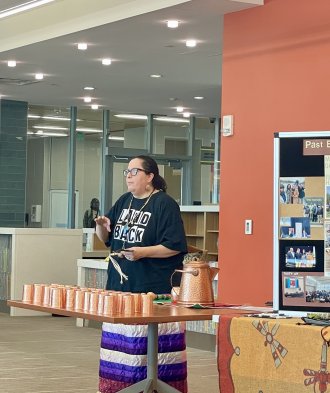
Martin is executive director and founder of Cultural Pathways Group, LLC, which helps clients build skills to navigate cultural differences, and former director of the Ziibiwing Center of Anishinabe Culture & Lifeways, a cultural center and Tribal museum. She also serves on the Board of Directors for the First Peoples Fund and has participated on several other national boards related to Indigenous studies and boarding school healing.
“This program is important in its affirmation and representation,” says Martin. “North American Indian students need support from someone who understands their family histories and personal experiences and can help make sense of the challenges they face.”
Martin also believes the program will enrich the campus community by offering firsthand knowledge of Native American culture and showcasing how allyship can be strengthened.
For more WMU news, arts and events, visit WMU News online.