Stats
17
Credits total
1-2
Semesters to complete
Hybrid
Course format
Your certificate to industry success in semiconductors
WMU is at the forefront of efforts in Michigan to amp up electrical vehicle and semiconductor talent. The need for talent is crucial with the Semiconductor Industry Association anticipating a 33% increase in jobs. When you enroll in WMU's certificate in semiconductors program, you'll be prepared for roles in battery management systems, sensors, solid-state materials and other crucial areas, becoming part of the solution to filling this talent gap.
What you'll learn in the semiconductors program
This hybrid program concentrates on the growing talent demand in Michigan's advanced manufacturing sector.
- Industry-aligned curriculum
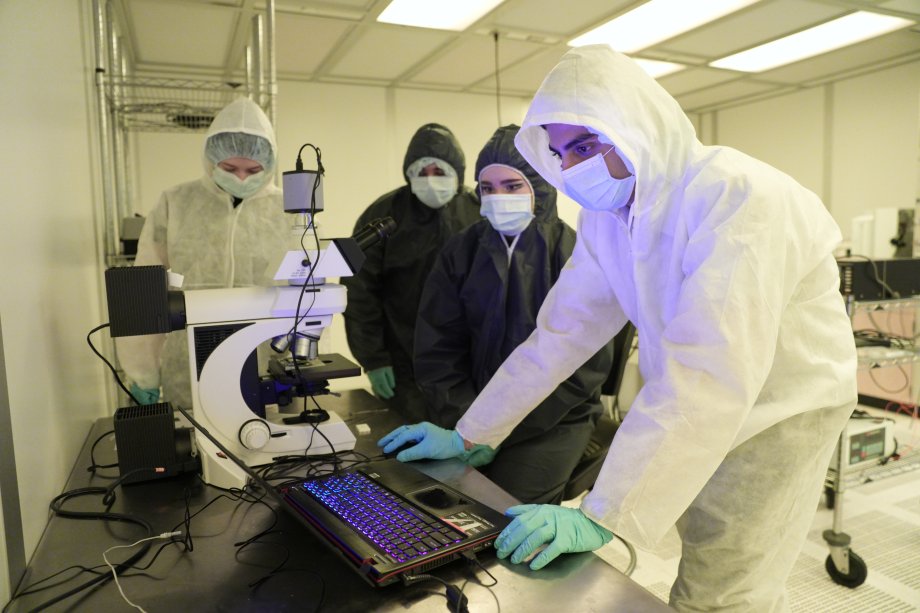
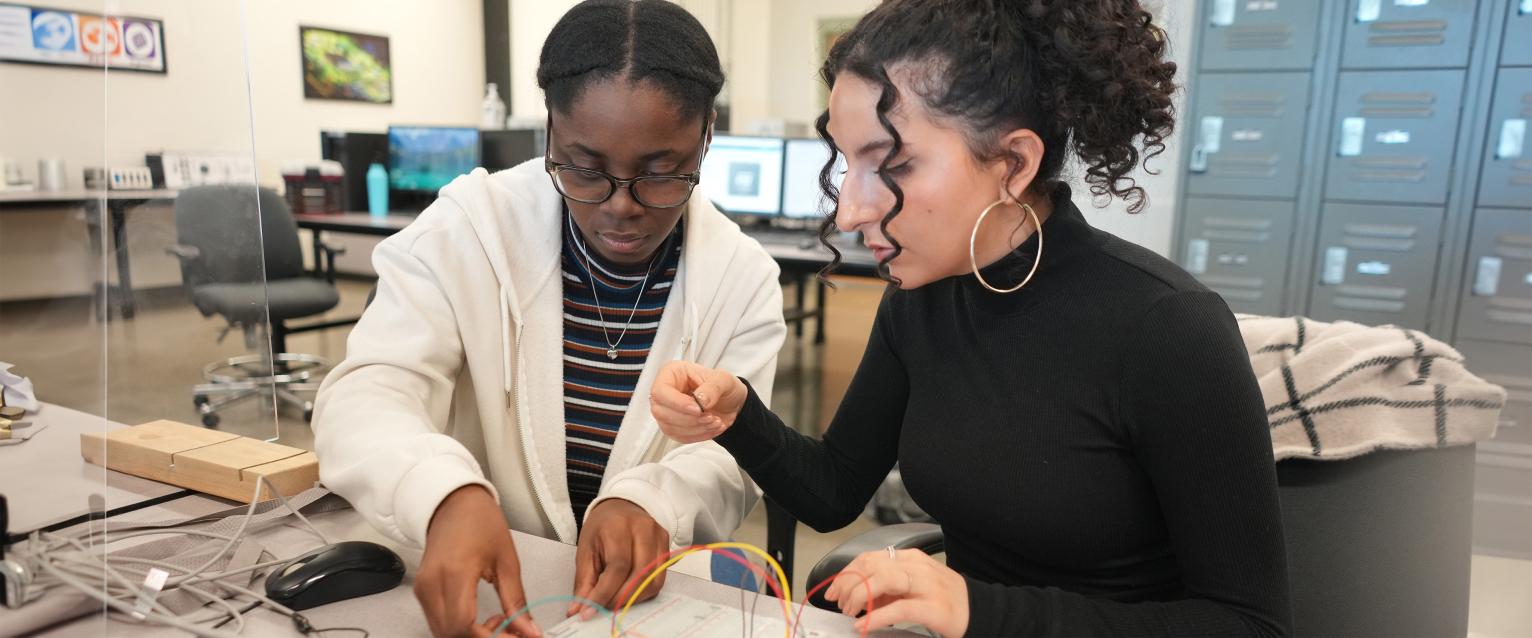
- Hands-on learning with state-of-the-art labs and facilities
- Credits can be stacked toward a degree
- Hybrid format provides flexibility for attending lectures and presentations either in-person or online. Labs are completed in-person to ensure learning outcomes are met.
Semiconductors curriculum
You'll complete 17 credit hours that include four required areas: electronics, printed circuit assemblies (PCAs), semiconductor fundamentals and digital electronics. Then, choose an elective course that fits your area of interest.
- ECE 2210 - Electronics I
- ECE 3150 - Printed Circuit Assemblies (PCAs): Design Schematic, Fab, Assembly, and Test
- ECE 3240 - Semiconductor Fundamentals
- ECE 4500 - Digital Electronics
- One Elective Course
- ECE 3200 - Electronics II Credits
- ECE 4200 - Power Electronics
- ECE 5450 - Micro Electro Mechanical Systems
- ECE 5525 - Digital Design
- Other courses with approval
Discover how you can make an impact with a semiconductor certificate
When you enroll, you will work toward a certificate designed to meet the growing talent demand in Michigan’s advanced manufacturing sector. The skills you master will prepare you for careers as an electrical engineer, semiconductor technician and more.
Dr. Massood Atashbar
WMU’s faculty expertise in batteries, semiconductors and advanced manufacturing, as well as modern labs and research facilities, places us in a unique position to provide training that is both rigorous and directly relevant to industry needs.
Certificate in Semiconductors admissions requirements
To enroll in the semiconductor certificate program, you’ll need to apply to WMU.
- Be enrolled in or already have a bachelor’s degree in electrical or computer engineering.
- Students from related disciplines, industry technicians, community college students, and high school students or graduates, with suitable professional experience may be considered subject to approval by the advising committee.
To enroll, most applicants need to complete a non degree/certificate/second major or minor application.
Ready to pursue a bachelor's degree?
This flexible career-ready certificate program can be applied to a bachelor's degree.
When you combine this certificate with a bachelor's or graduate degree, you'll be ready to advance into engineering roles such as electrical engineer (EV systems), semiconductor process engineer, power electronics design engineer or battery systems engineer.