
Celebrating five decades of English language learning at Western Michigan University
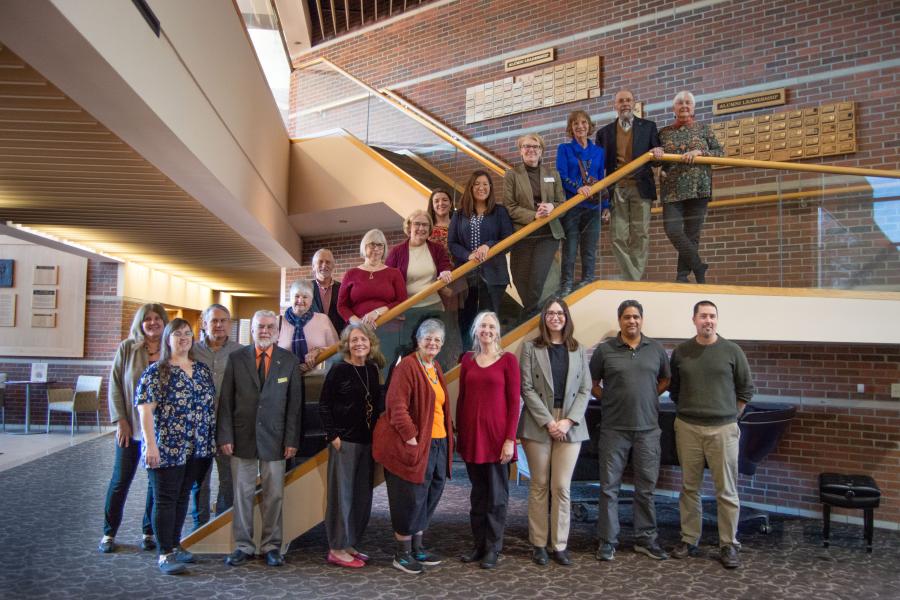
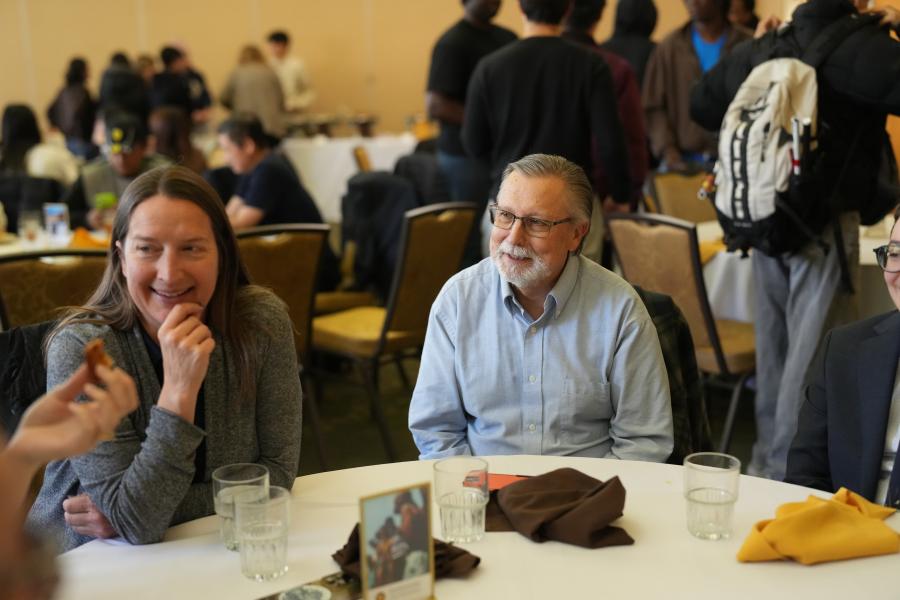
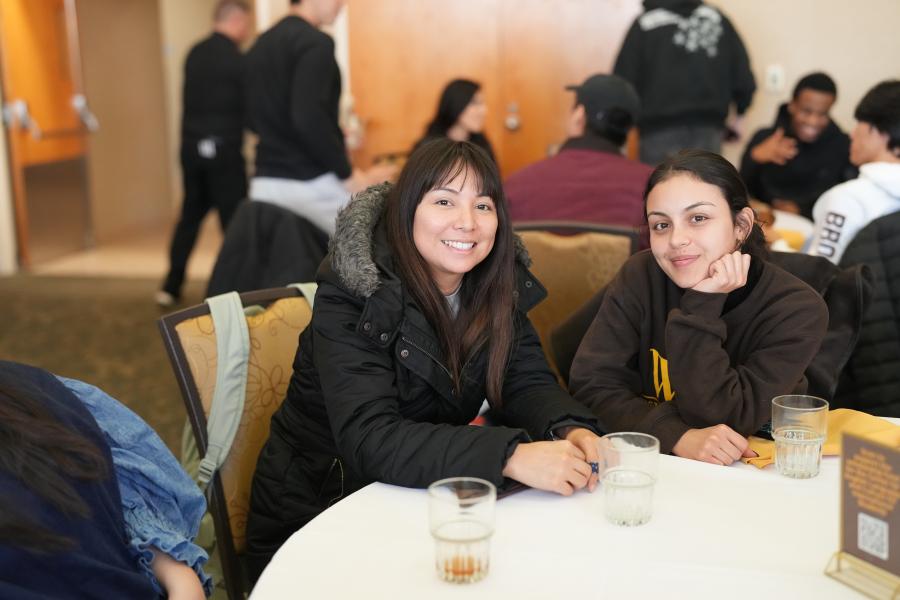
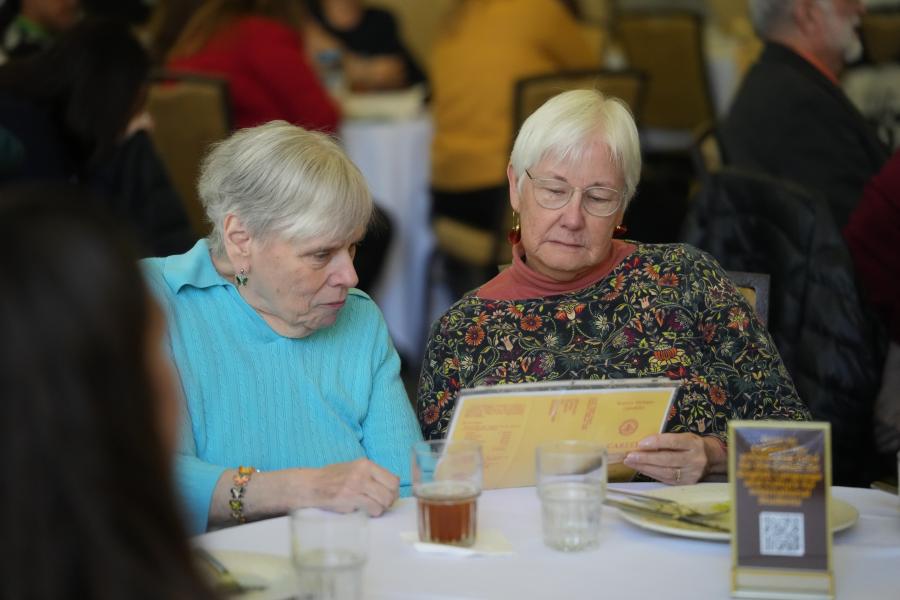
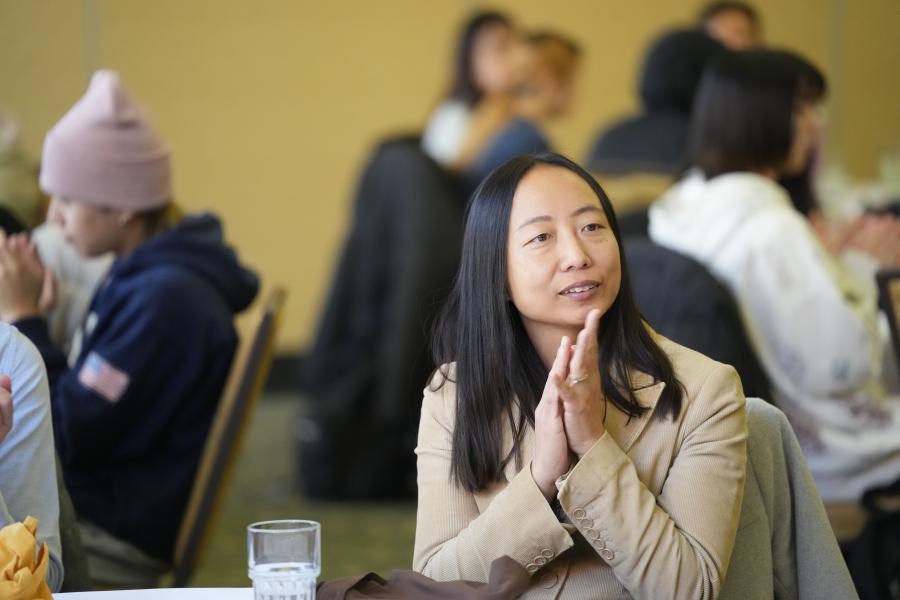
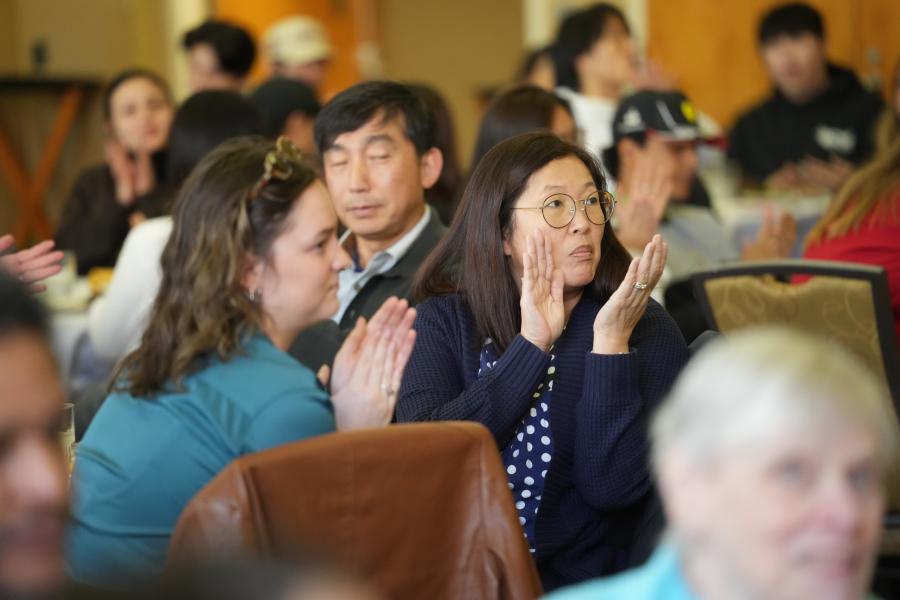
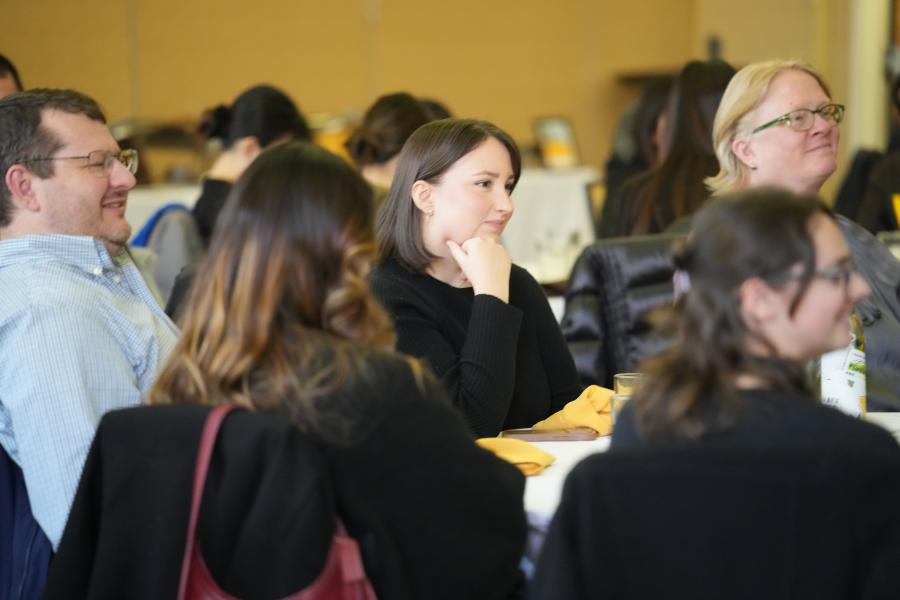
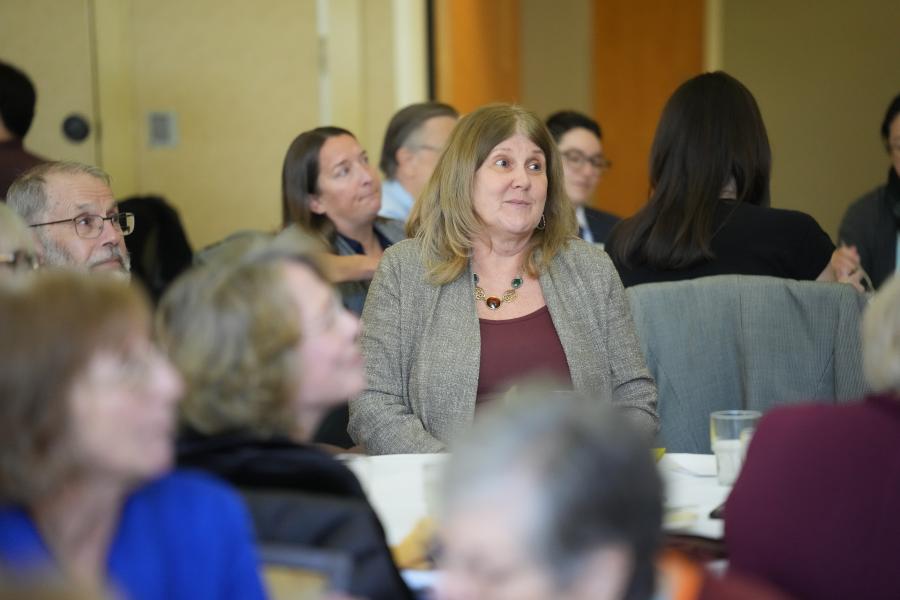
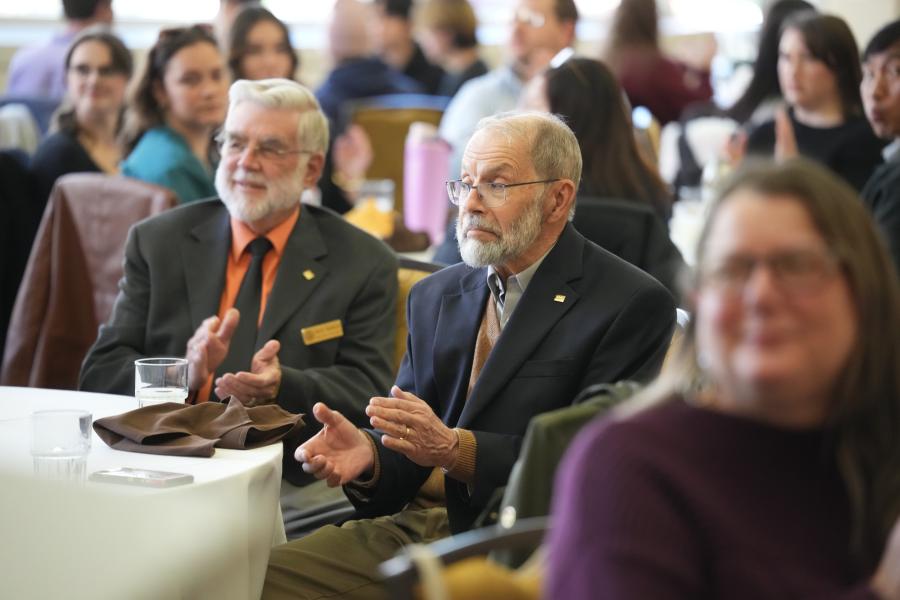
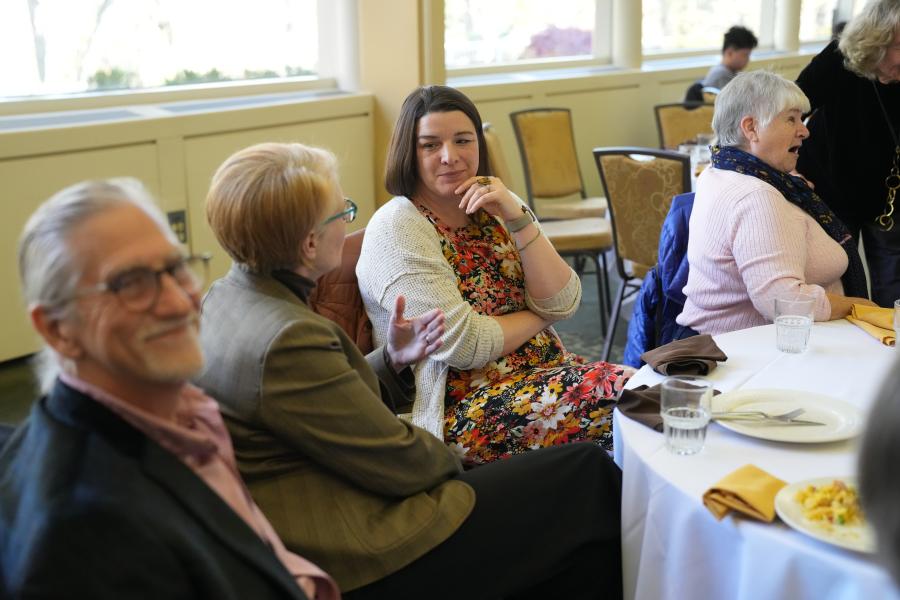
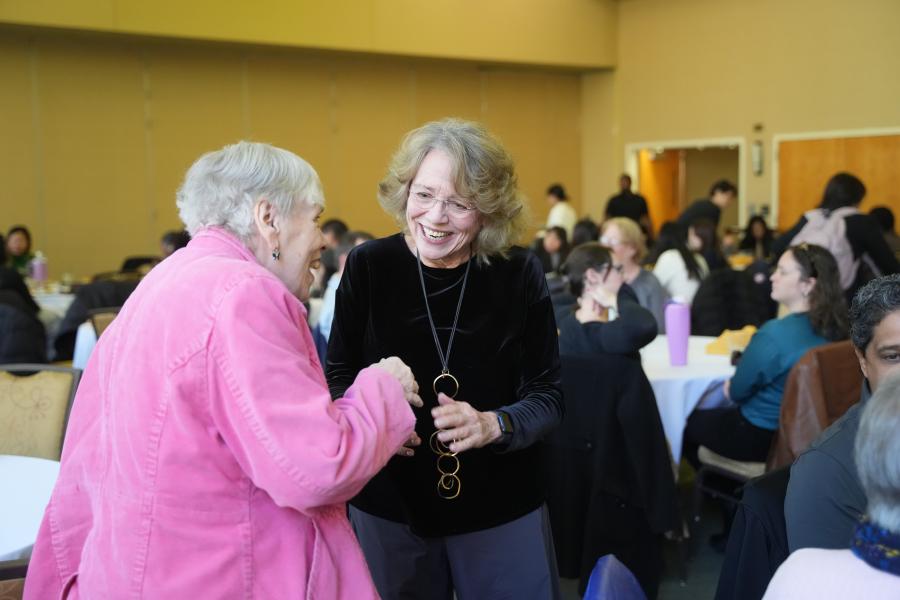
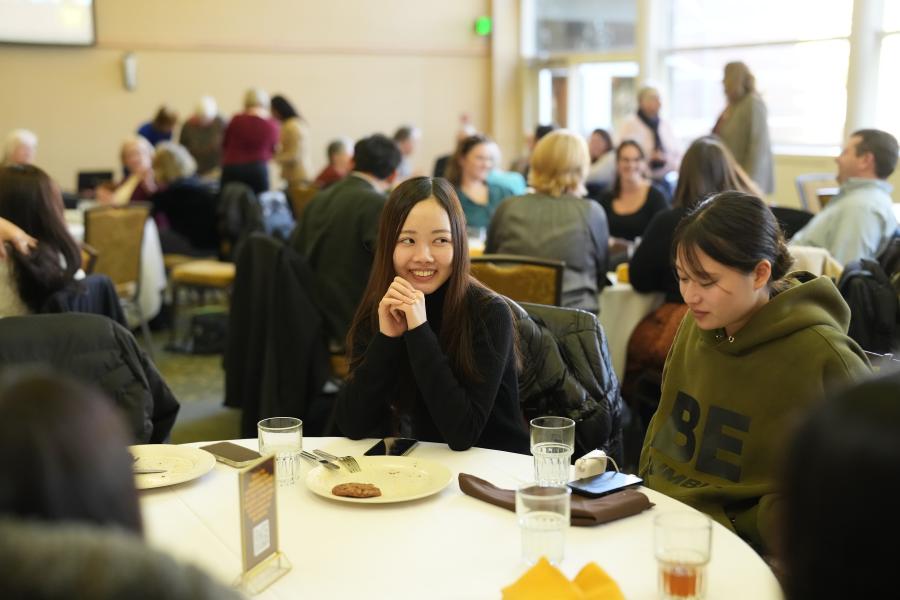
WMU's Center for English Language and Culture for International Students celebrated its 50th anniversary in November, bringing together past and present students and faculty at the Fetzer Center.
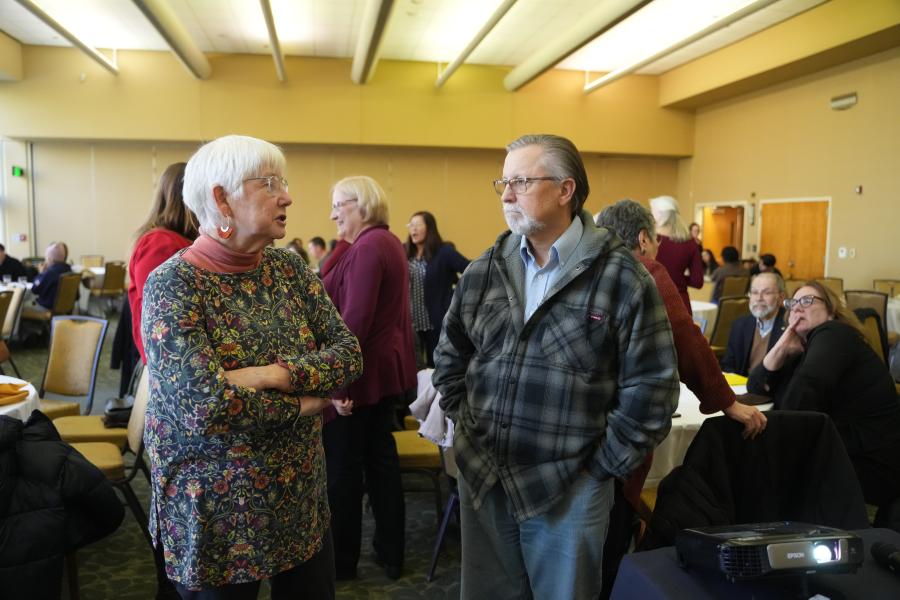
Kalamazoo, Mich. — For 50 years, students from all corners of the world have come to Western Michigan University with one goal: to learn English and transform their future. Some stay to earn degrees, others join short-term programs, but all leave with a skill that transcends borders. English is more than a language; it’s a passport to global business, diplomacy and endless possibilities.
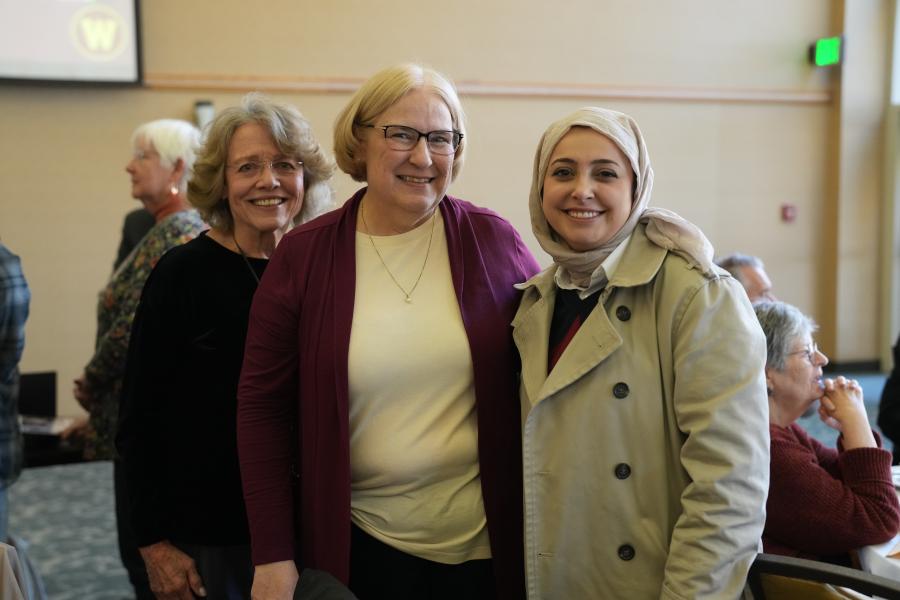
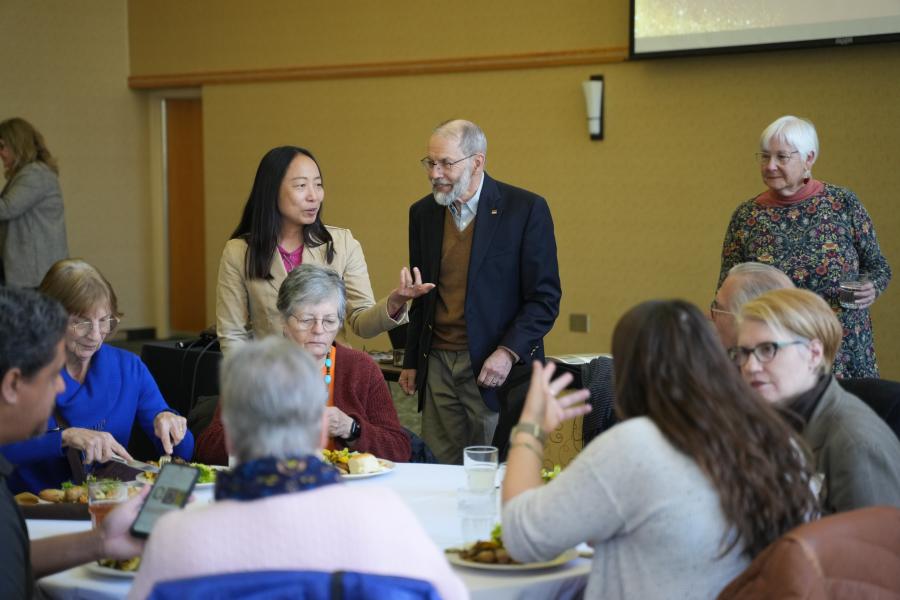
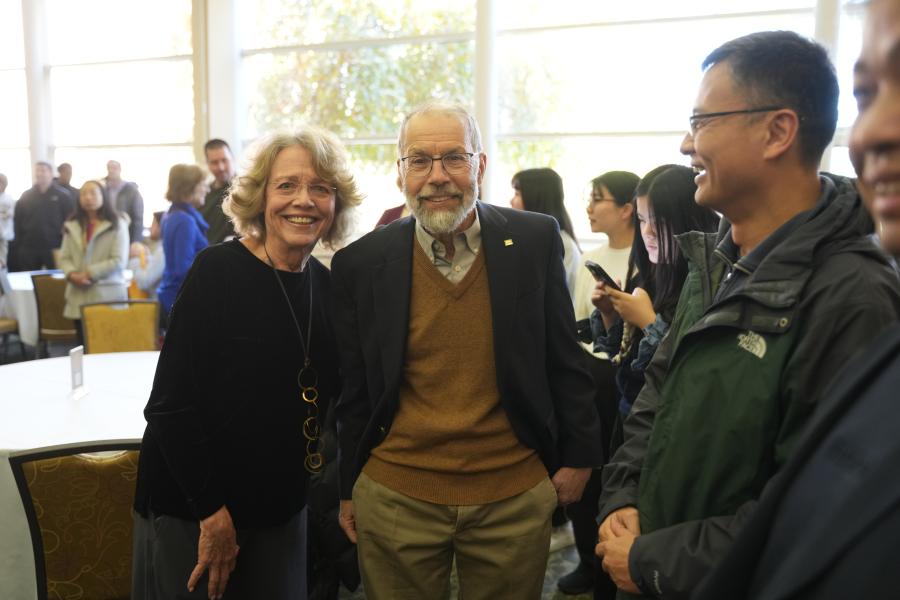
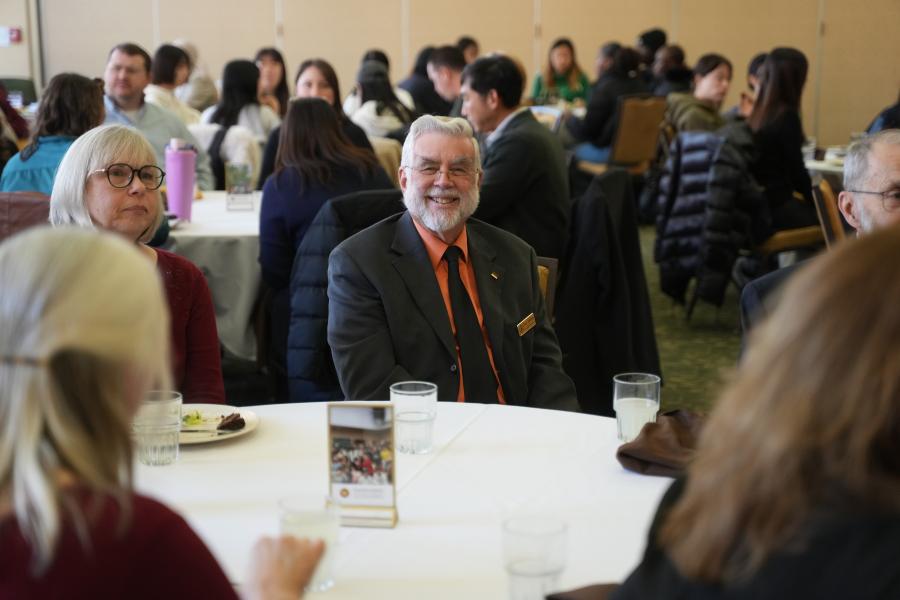
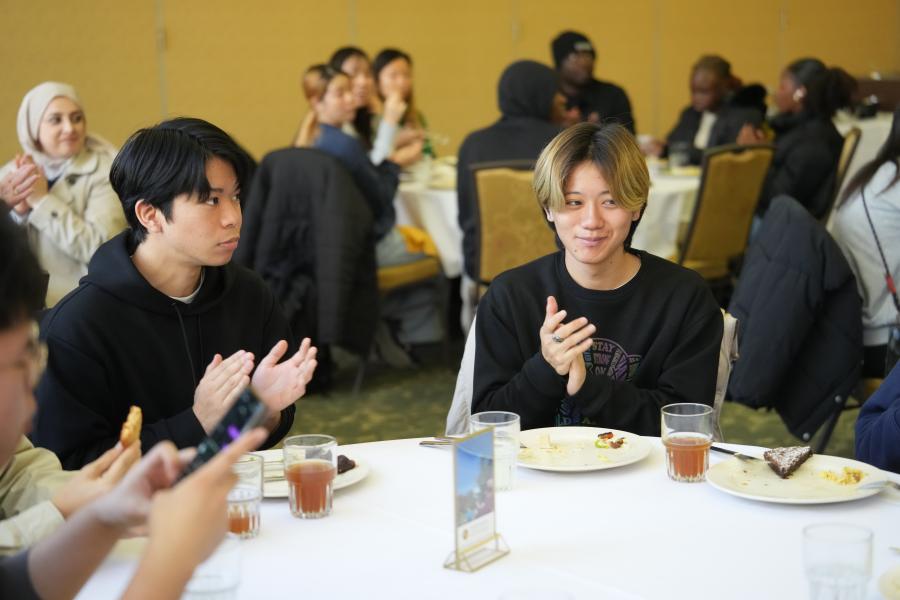
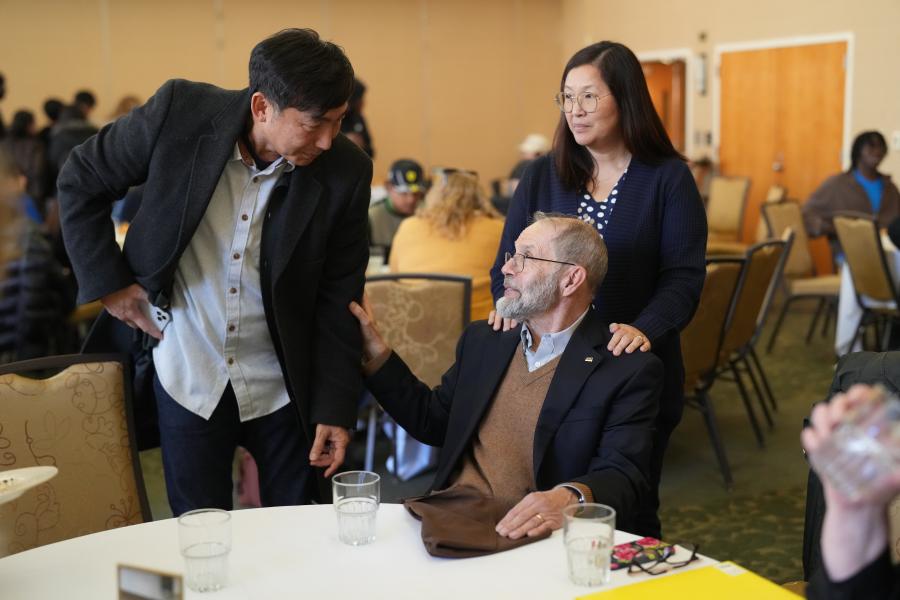
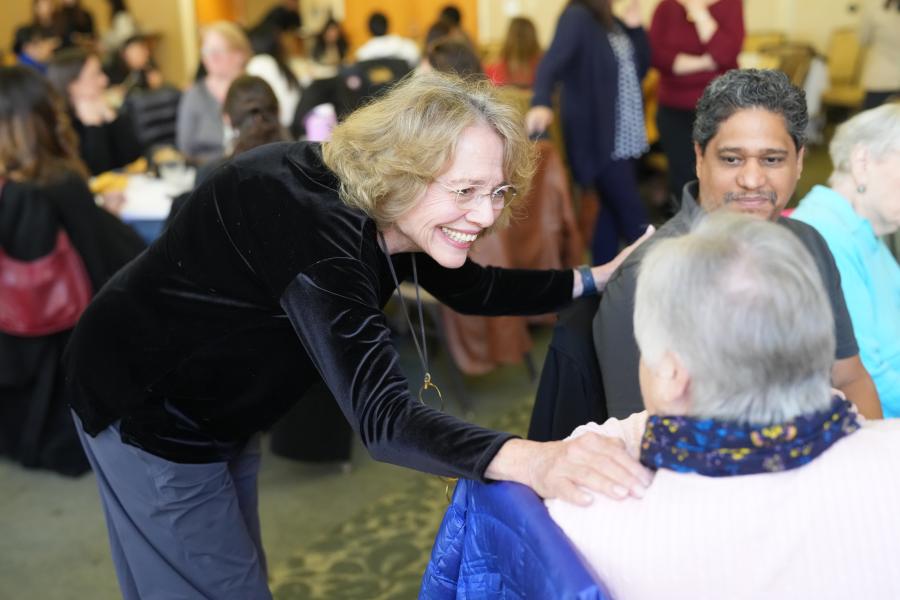
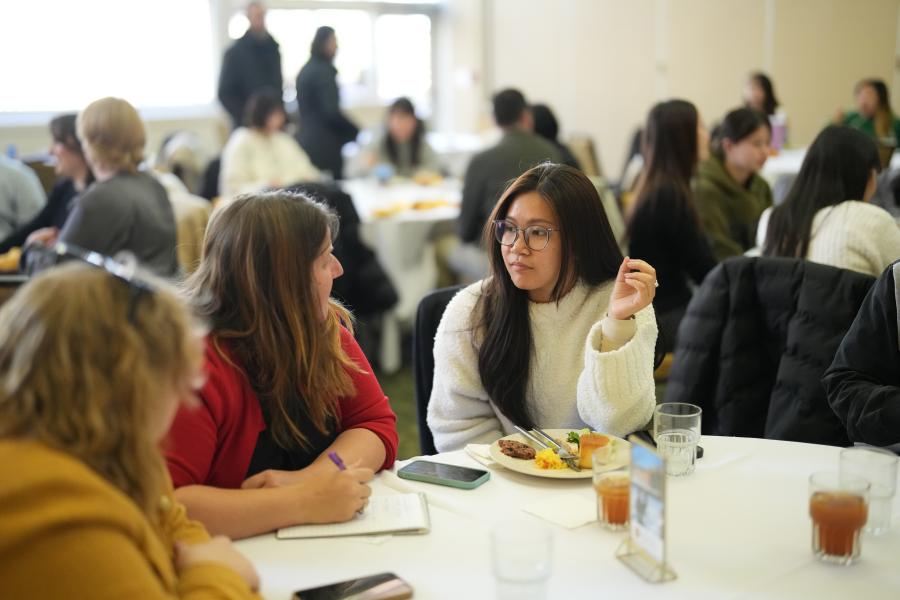
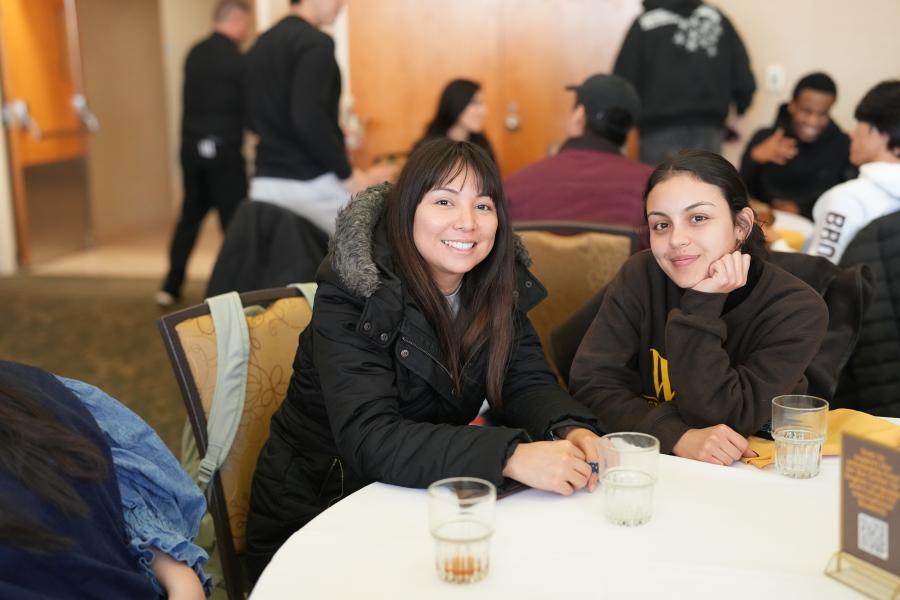
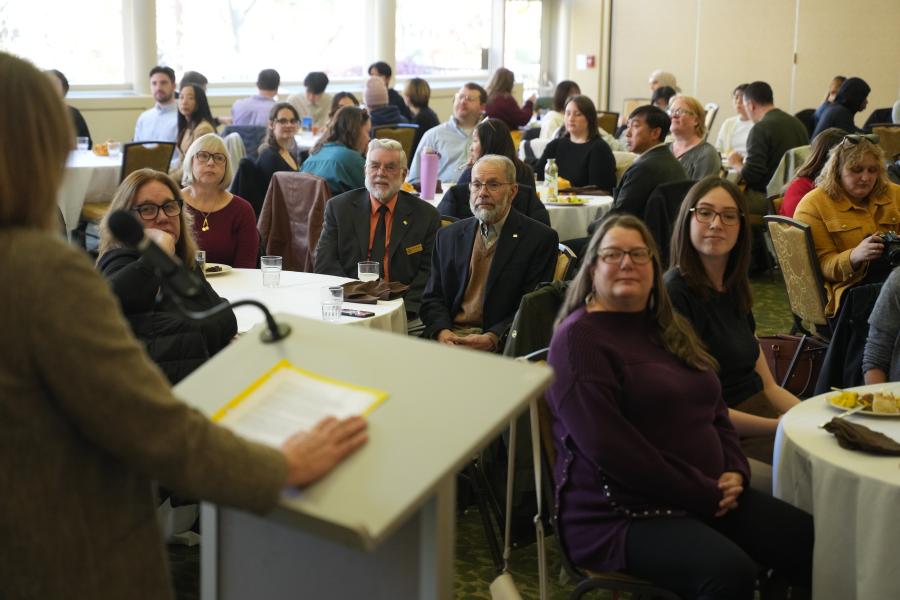
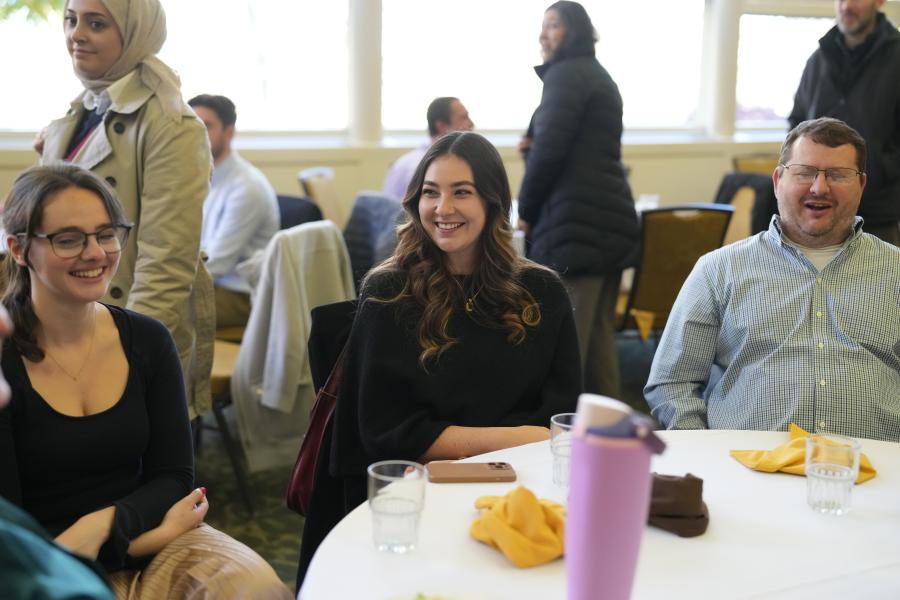
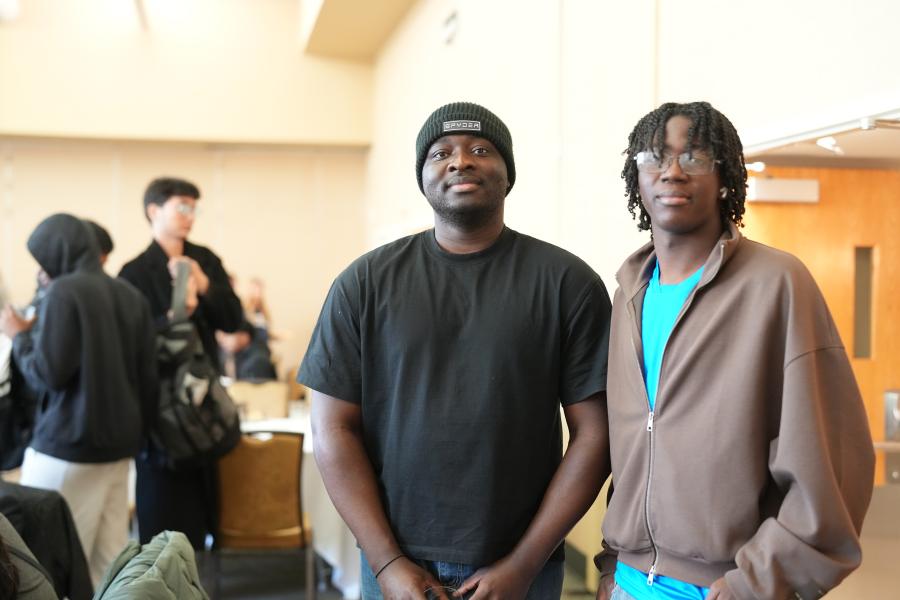
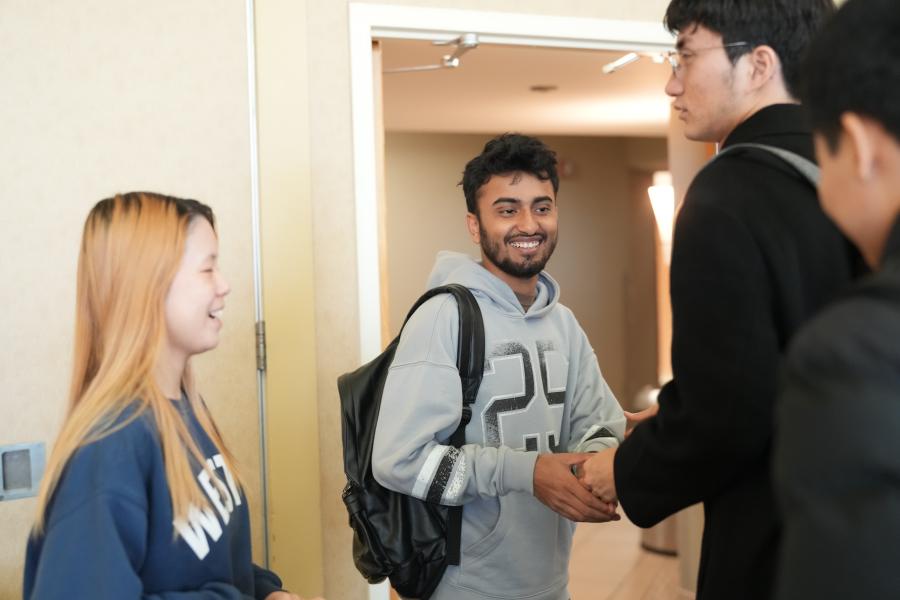
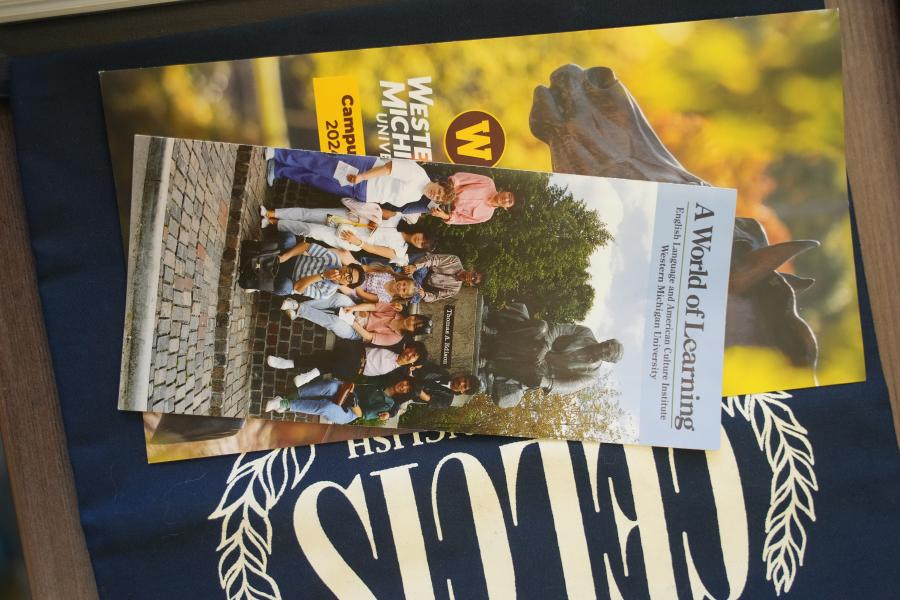
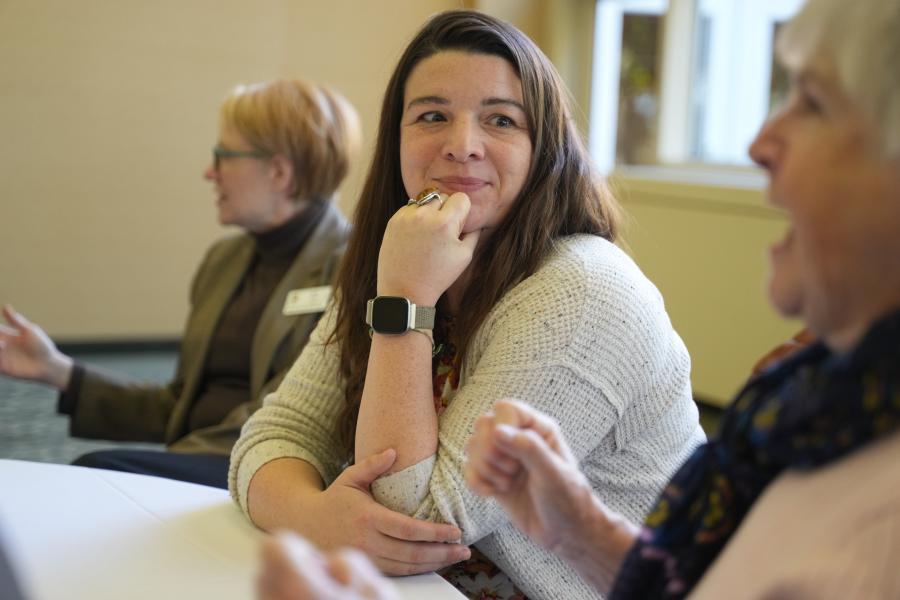
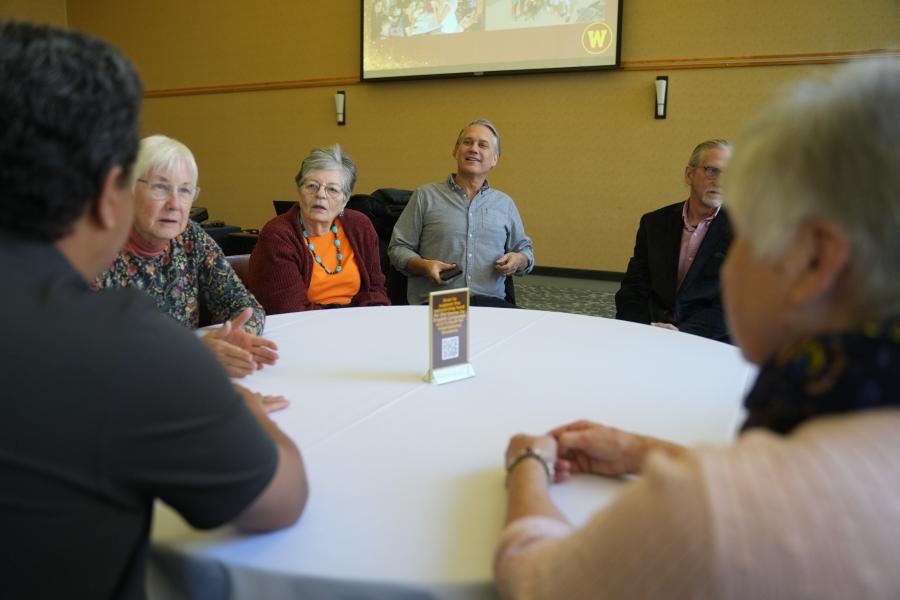
WMU’s Center for English Language and Culture for International Students (CELCIS) celebrated its 50th anniversary last month, bringing together past and present students and faculty at the Fetzer Center. Founded in 1975, CELCIS has helped hundreds of students master English and achieve their academic goals.
"In more than half a century of its existence, through every challenge, our long‑established ESL program has stood strong, proving that resilience builds excellence, and continuing to empower learners with the academic skills that open doors to endless possibilities," says CELCIS Chair and Master Faculty Specialist Eva Copija.
A Linguistic Bridge
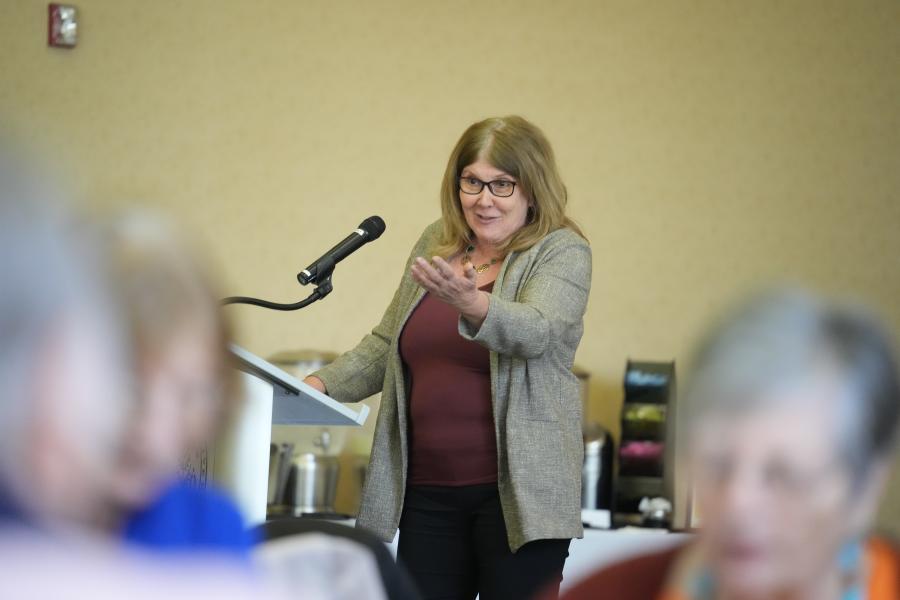
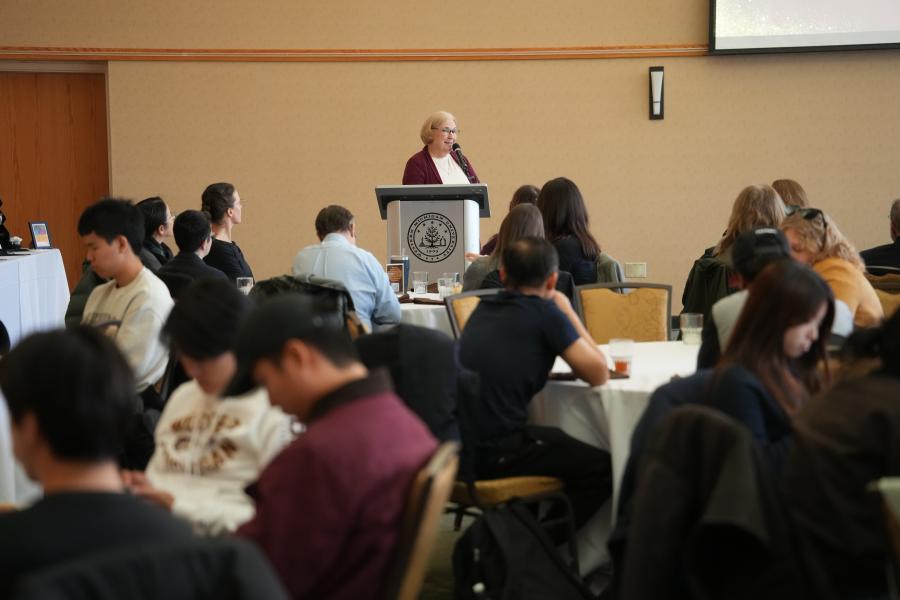
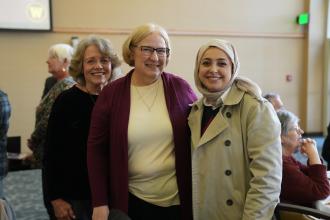
Terri Bieszka, one of the Center's teachers, reflected on milestone moments in international education and CELCIS’s enduring contributions at the celebration. For students around the globe, American universities represent opportunity, she said. Degrees are gateways to prosperity—and English is the key that opens them.
The story of CELCIS spans continents and classrooms, added Bieszka. Its students are not only vital members of WMU’s academic and cultural life but also future cultural ambassadors in their home countries—often in places other WMU alumni may never reach.
“The presence of our students enriches this campus, broadens our perspectives and deepens our global engagement,” Bieszka told the crowd. “CELCIS has become a bridge—a bridge between silence and expression, ambition and achievement and between Western Michigan University and a much wider world.”
Bieszka traced the ebbs and flows of international student recruitment at the event, speaking of the post-Vietnam era climb to the rapid growth seen with the rise of the internet and economic liberalization in countries like China and India. She spoke about the impact of 9/11, the COVID-19 pandemic and recent shifts in immigration policy.
“Students from Africa, Asia, and the Middle East face hurdles that go beyond academics—questions of access, belonging, even safety or security—yet their desire to learn, contribute and grow remains undimmed,” Bieszka said.
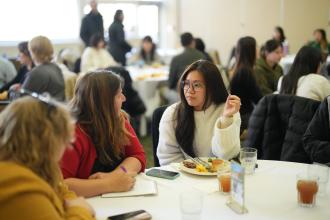
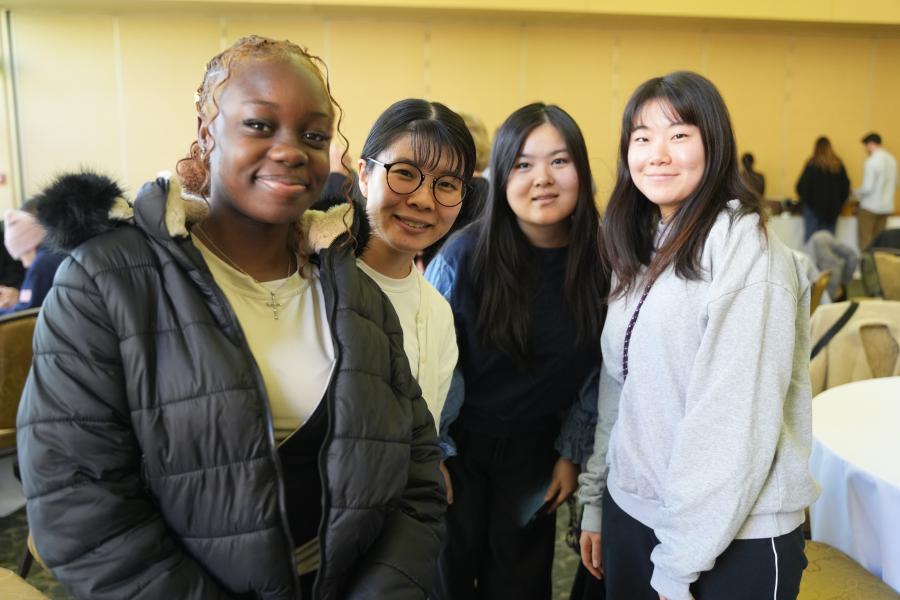
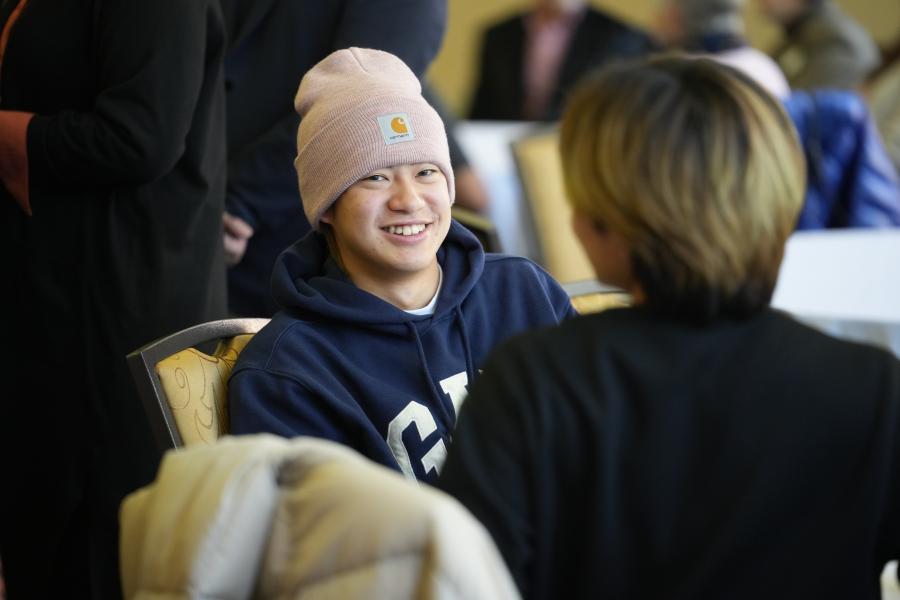
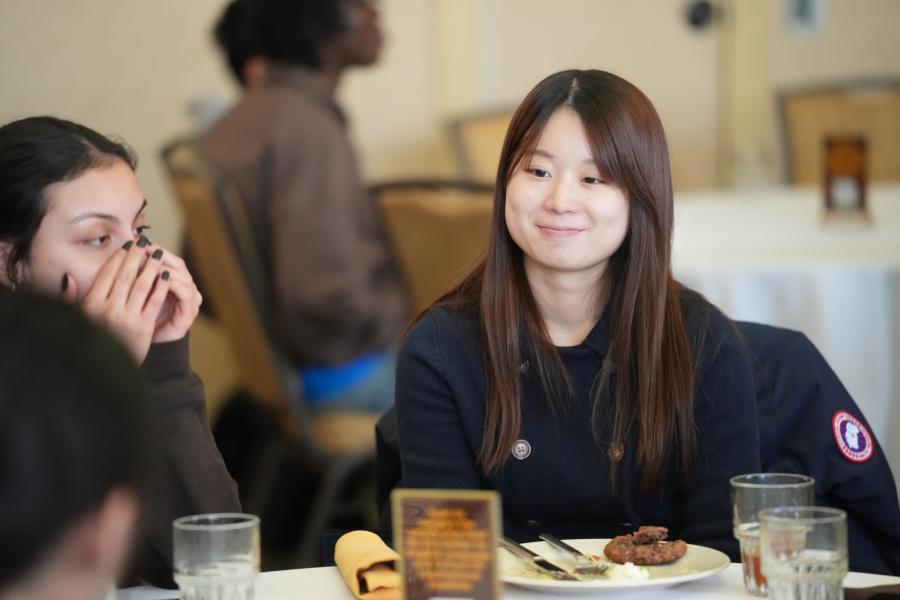
Among the attendees was Le Thi Xuan Mai, from Dong Thap province, Vietnam. Mai came to WMU this fall at age 18. She hopes to study marketing at the University once she achieves language proficiency.
“If I have English, I have many opportunities in the future,” she said. “I’m meeting new friends from many countries, and I think this is a good thing. I want to communicate.”
Today, CELCIS is part of WMU’s Haenicke Institute for Global Education, offering short- and long-term intensive English programs as well as pathway options for University degrees. The Center welcomed 43 students this fall from 13 countries.
“Anybody who has learned a foreign language well knows how difficult it is to understand a culture and build a linguistic bridge,” said Dr. Rosemary Max, associate vice president of the Haenicke Institute for Global Education, at the event. “I want to thank everyone in the room who continues to help make our students successful—in our culture, in our University and beyond.”
Humble Beginnings
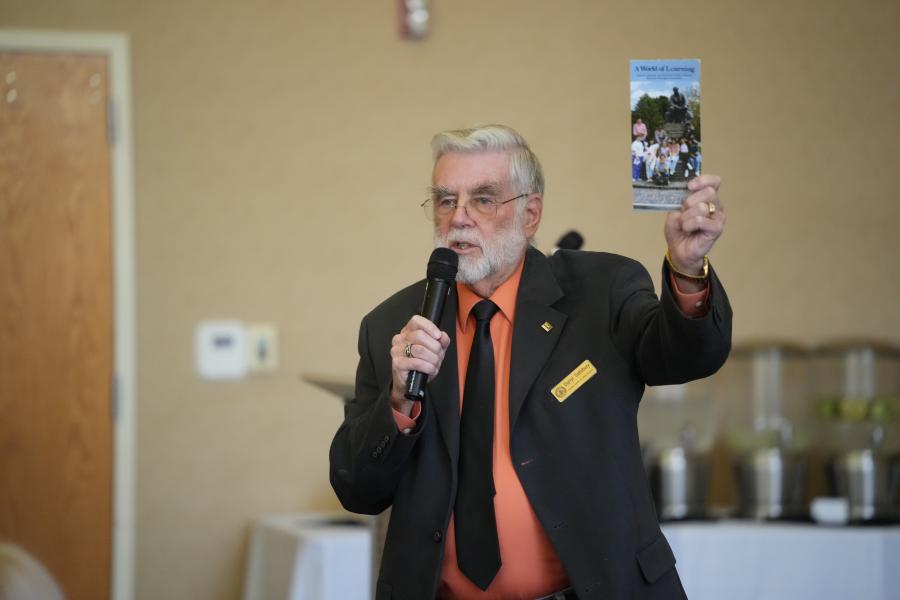
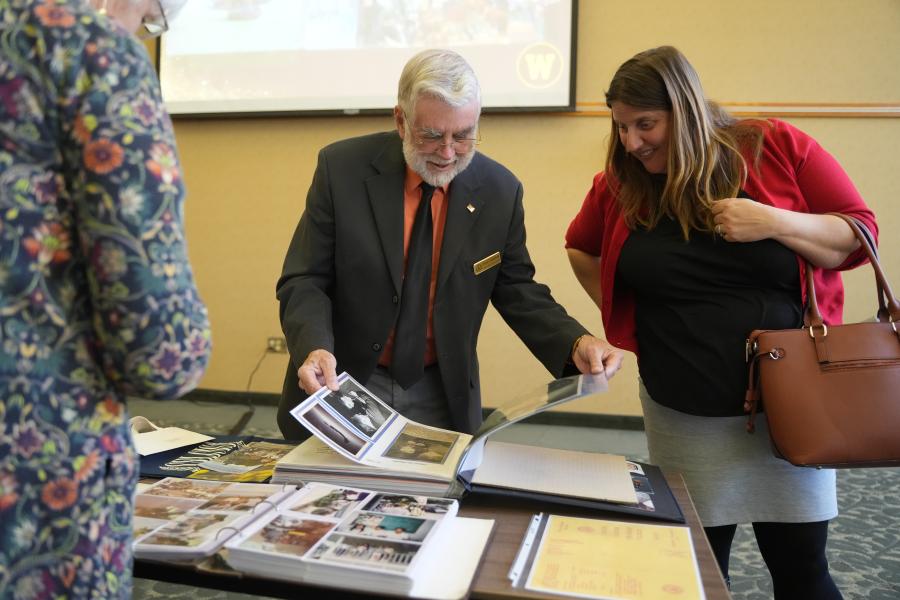
Darryl Salisbury, who retired as a WMU master faculty specialist in 2013, also spoke at the celebration. Salisbury joined CELCIS in 1975 as one of its founders and shared stories of its origin.
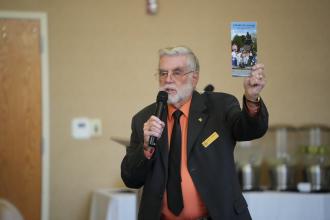
The Center’s goals were first conceived during a meeting at the Knightsbridge Inn, where Salisbury worked as a manager while pursuing graduate studies in linguistics. Having served three years as an Air Force intelligence specialist, learning Bulgarian and German, Salisbury brought a passion for language to the fledgling program.
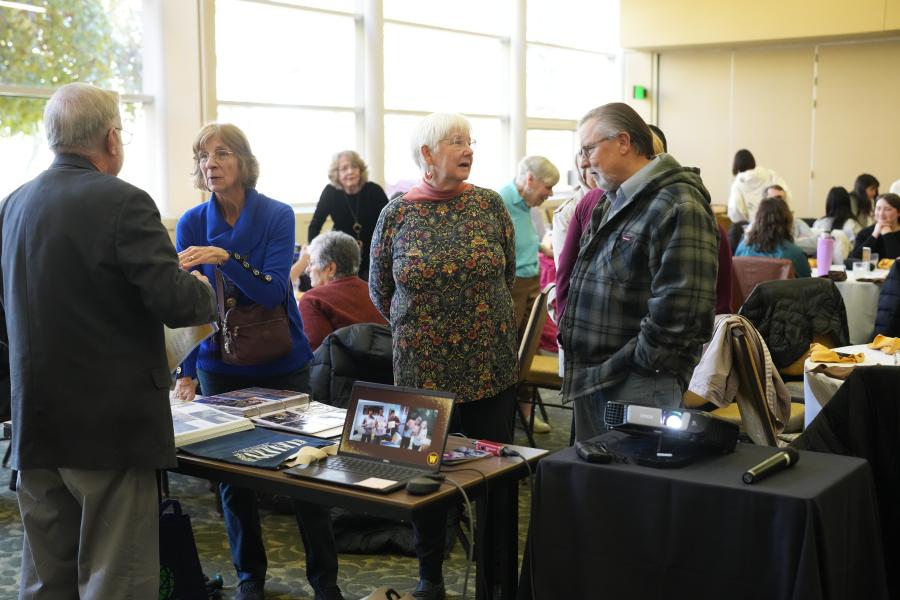
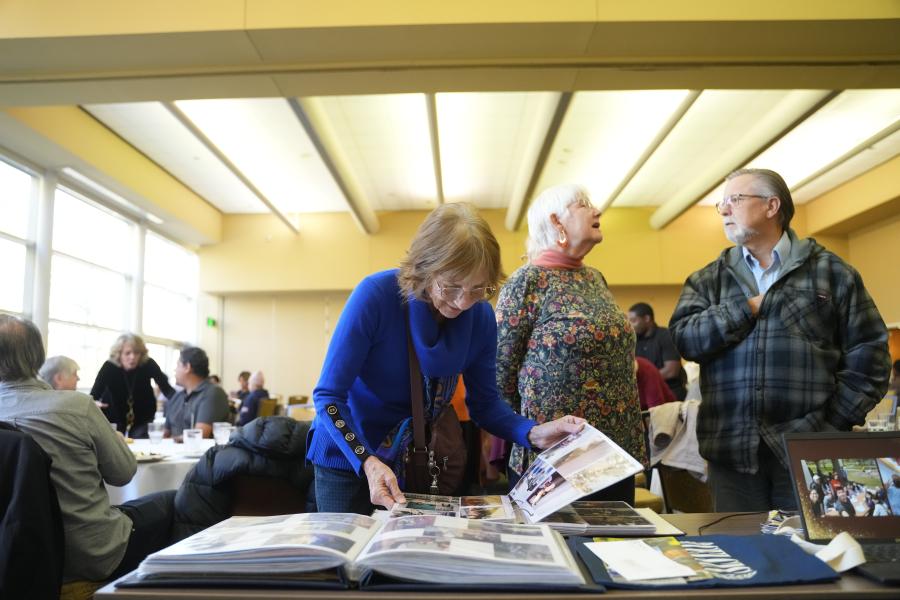
A small group began meeting at their homes to plan curriculum, set logistics and organize field trips, he recalled. Eventually, they shared office space on campus and together saw the program grow year after year. "It was just a great thing,” Salisbury told the crowd, proudly holding up old photographs, news clippings and brochures.
Other founders include Dr. Daniel Hendriksen, professor emeritus of linguistics in WMU’s College of Arts and Sciences, and teachers Robert “Bob” Dlouhy and Pam Keesler, both masters faculty specialist emeriti.
Bieszka and Dyanne Foskey, currently teach classes as master faculty specialists. The program is supported by administrators Copija and Caroline Huffman, assistant manager of CELCIS and special projects.
“As a faculty member, you meet each new student, and as time progresses, that student progresses as well, developing a growing understanding of the English language and the American culture simultaneously," Salisbury said.
“Observing this process in each student has been very rewarding. It is a profound stimulation which causes you to do even better at guiding each student in his or her path forward.”
Donate and support the CELCIS scholarship fund.
About the Haenicke Institute for Global Education
The Diether H. Haenicke Institute for Global Education, established in 1998, fosters an environment that supports the global engagement of the Western community. Its offices assist nearly 2,000 international students and alumni at home and abroad with admissions, immigration, student success and post-graduation job training.
The institute also facilitates short- and long-term study abroad programs for students, faculty and staff. It hosts a variety of global learning activities, such as designing and promoting scholarship and academic opportunities on campus; providing K-12 outreach; hosting lectures, panels and events; and showcasing arts, entertainment and culture from around the world. Learn more about the Haenicke Institute for Global Education.
For more WMU news, arts and events, visit WMU News online.