Apply-Explore Call To Action
Stats Grid
32 Credit Hours
Build real confidence in German. Progress from intermediate language study to advanced conversation, composition, literature and cultural analysis while shaping the major around your interests.
6 Credits Abroad
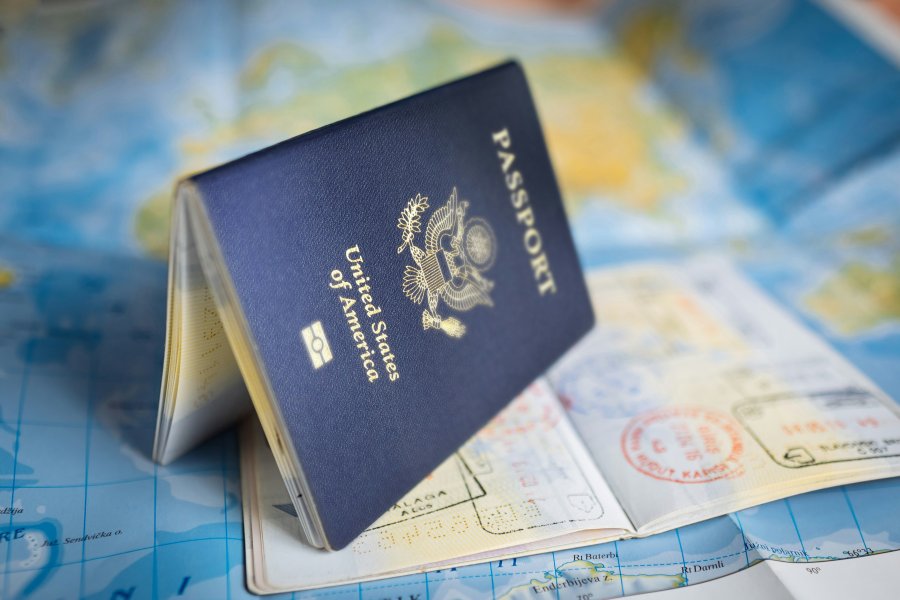
Make Germany part of your degree. German majors complete six hours of approved coursework abroad, turning classroom knowledge into meaningful language experience and intercultural understanding.
2 Immersive Destinations
Choose the Germany you want to experience. Study in Berlin, one of Europe’s major cultural and political capitals, or in historic Tübingen, a university city known for its architecture, academic life and setting along the Neckar River.
Pursue a B.A. in German
Western Michigan University offers two paths for students interested in German: a Bachelor of Arts in German through the College of Arts and Sciences and a pathway for students preparing to teach German through the College of Education and Human Development. Both options combine sustained language study with an exploration of German-speaking cultures, literature and contemporary life.
You will move from intermediate language work into advanced conversation, composition, cultural analysis and literary study, building the confidence to communicate and think critically in German. Six credits of approved study abroad allow you to take those skills beyond the classroom through immersive experiences in places such as Berlin or Tübingen.
By graduation, you will be prepared to communicate across cultures, interpret complex texts and ideas and apply strong writing, research and analytical skills in fields such as education, international business, engineering, public service, history, philosophy and graduate study. Students pursuing German teaching certification complete the undergraduate German degree before continuing into WMU’s post-baccalaureate teacher-certification program.
What you'll learn
German at WMU gives you several ways to build language proficiency, explore the cultures of the German-speaking world and make study abroad part of your undergraduate experience. You can make German the center of your degree, add it to another field or pursue a minor designed around immersive study abroad.
The Department of World Languages and Literatures at Western Michigan University offers:
- German major: Progress from intermediate German into advanced coursework in language, literature and culture. German Composition and Conversation helps you develop accuracy and confidence in written and spoken German, while German Life and Culture explores the historical, geographic, social and religious forces that have shaped Germany. You can deepen your abilities through Advanced German Composition and Advanced German Conversation, learning to express complex ideas with greater clarity, fluency and cultural awareness.
- German minor: Build a substantial foundation in German while completing another major. Courses in composition, conversation, culture and literature allow you to strengthen practical communication skills while connecting German with fields such as business, engineering, history, philosophy, music, political science or global studies. You may also explore Topics in German Studies, which can examine subjects such as history, religion, politics, literature and the arts across the German-speaking world.
- German Study Abroad minor: Make immersion a central part of your German education. After completing introductory German coursework at WMU, you will earn 16 approved credits through study abroad, using the language in academic settings and daily life. The experience is designed to strengthen communication skills, intercultural understanding and the confidence to navigate unfamiliar environments independently.
Students may also take Introduction to the Study of German Literature, reading and interpreting works from different genres, or pursue more advanced literary study through Studies in German Literature. Language majors complete WMU’s baccalaureate writing requirement through an approved course such as Global Issues through Literature and Film or East and West Literary Relations, connecting German study with wider literary, cultural and global questions.
Program requirements may vary by WMU undergraduate catalog year, and only courses completed with a grade of C or better count toward the German major. No student may graduate under a catalog that is more than 10 years old. Students with previous German experience should follow the department’s placement guidelines to begin at the level that best matches their preparation.
Student Quote
“[Add a two- to three-sentence quote from a current French student about gaining confidence in the language, connecting with faculty, studying abroad or applying French beyond the classroom.]” Student Name, Class of 20XX, French major and [second major or minor]
Where you'll be after graduation
Go into greater detail on program outcomes and include job positions and companies/organizations for recent WMU graduates. Introduce WMU's Career and Student Employment Services and the resources offered by that office specifically related to this program.
From Academic Undergraduate Programs Page: Recent WMU graduates with degrees in German are working in many different industries and types of organizations, including:
- Airlines
- Businesses and banks
- Charitable organizations
- Education, all levels
- Hotels
- International exchange programs
- Media
- Museums
- Non-governmental organizations
- State and federal government
- Travel and tourism
Sample job titles include:
- Artists
- Authors
- Cultural officers
- Customs and immigration officers
- Diplomats
- English teachers in Germany
- Filmmakers
- Foreign correspondents
- Guides
What others have achieved
Explore recent accomplishments and opportunities that show how German at WMU reaches beyond the classroom through international exchange, cultural programming and engagement with the wider German-speaking world.

Making the most of your learning experience
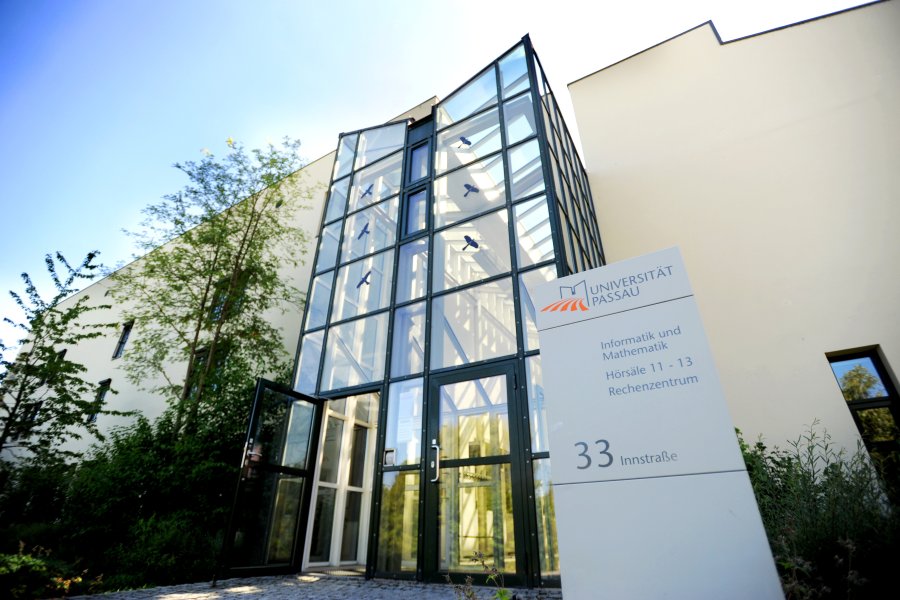
German students at WMU can extend their learning beyond the classroom through study abroad, conversation practice, cultural activities and academic support. Programs in Berlin and Tübingen allow students to strengthen their German while experiencing daily life at a German university. On campus, German Table and other program activities provide informal opportunities to practice the language, meet students with similar interests and engage with German-speaking cultures. Advising, tutoring, placement services and university-wide academic resources help students build confidence and connect their German studies with future academic and professional goals.
Advising and Academic Planning: For questions about German coursework, program requirements, language placement, German Table or study abroad credit, contact Dr. Olivia Gabor-Peirce, the German program advisor. Students are encouraged to reach out early when choosing future courses, considering study abroad or reviewing the requirements for their catalog year.
For general questions about course scheduling and degree planning, students can also contact Tom Mills.
Tutoring and Student Success: The Department of World Languages and Literatures offers free tutoring for all 1000- and 2000-level German courses. Tutors can help students strengthen grammar, vocabulary, pronunciation, conversation, reading and writing skills or prepare for assignments and exams.
Students can also connect with Student Success Services for additional academic support, study strategies and resources throughout their undergraduate education.
Placement and Previous Language Experience: Students who have previously studied German should follow the department’s placement guidelines before enrolling. Placement helps students begin at the level that best reflects their existing knowledge rather than automatically starting with introductory German.
Eligible students may also ask about opportunities to earn retroactive credit or demonstrate proficiency through a monitored test-out examination.
Study Abroad: German majors complete six hours of approved coursework abroad, and students pursuing the German Study Abroad minor make international study a central part of their program. Students may explore opportunities at Freie Universität Berlin, located in Germany’s cultural and political capital, or Eberhard Karls Universität Tübingen, a historic university known for its academic community and setting along the Neckar River.
Students interested in applying study abroad credit toward the German major or minor should speak with Dr. Olivia Gabor-Peirce before making plans. Programs and courses must be approved before the experience begins.
German opportunities and resources: Students can continue developing their language skills and connecting with German-speaking cultures through opportunities such as:
- German Table, which offers a relaxed setting for conversational practice and meeting other German students.
- German Club, which may organize cultural activities, events and opportunities to connect outside the classroom.
- The German Film Series, which introduces students to German-language cinema and cultural perspectives.
- German language character resources, which explain how to type letters and symbols such as ä, ö, ü and ß.
What scholarships are available for a German degree?
WMU offers institutional scholarships and grants that can help make a college education more affordable. Students interested in scholarship opportunities should review WMU’s financial aid resources and speak with the appropriate advising office about available options.