

Facilities Management is proud to be engaged in many sustainable initiatives and practices that make our campus and community a better place to live, work and learn.

Electric vehicles and equipment
Facilities Management is beginning to invest in electric vehicles (EV) and equipment. Currently, FM maintains six EV vehicles, six EV golf carts, along with an all-electric lawn mower. This initiative is helping to lower noise pollution and reduce carbon emissions.
Self-watering planters
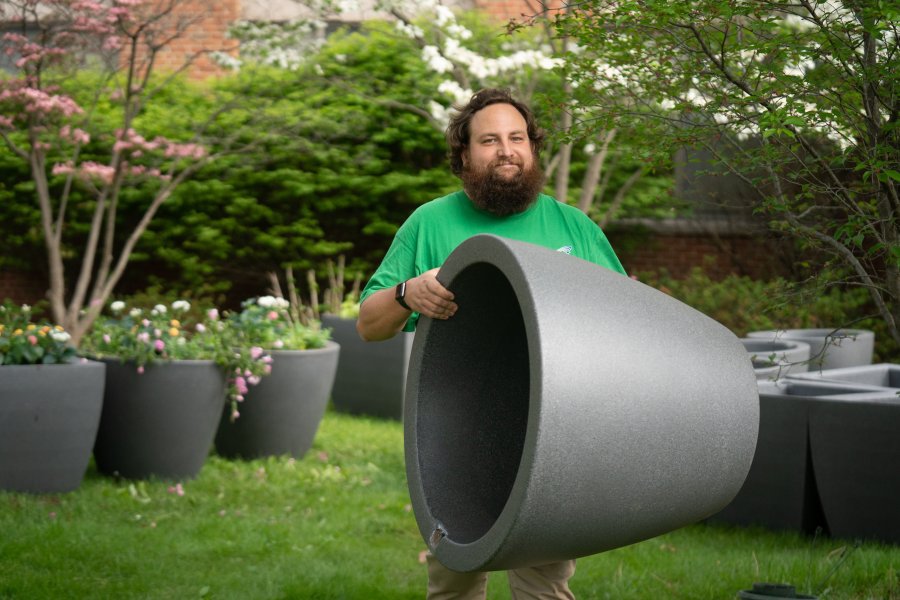
In 2021, Landscape Services potted and placed 66 self-watering planters across campus to help make Western more beautiful and eco-friendly. The project was funded by a Student Sustainability Grant from WMU's Office for Sustainability.
Additional self-watering planters have been added since 2021 and have helped dramatically reduce labor, fuel and maintenance costs for Landscape Services as well as water usage.

Mass timber construction project
WMU is using a sustainable construction approach with the new Valley Oaks residence hall by incorporating mass timber into its design. Mass timber reduces embodied carbon and contributes to healthier living environments. Its innate qualities have been shown to reduce stress and improve occupant satisfaction. Research also suggests that a four-story mass timber building, the scale of WMU's new residence hall, can offset emissions equivalent to removing 600 cars from the road annually.
Stormwater improvement
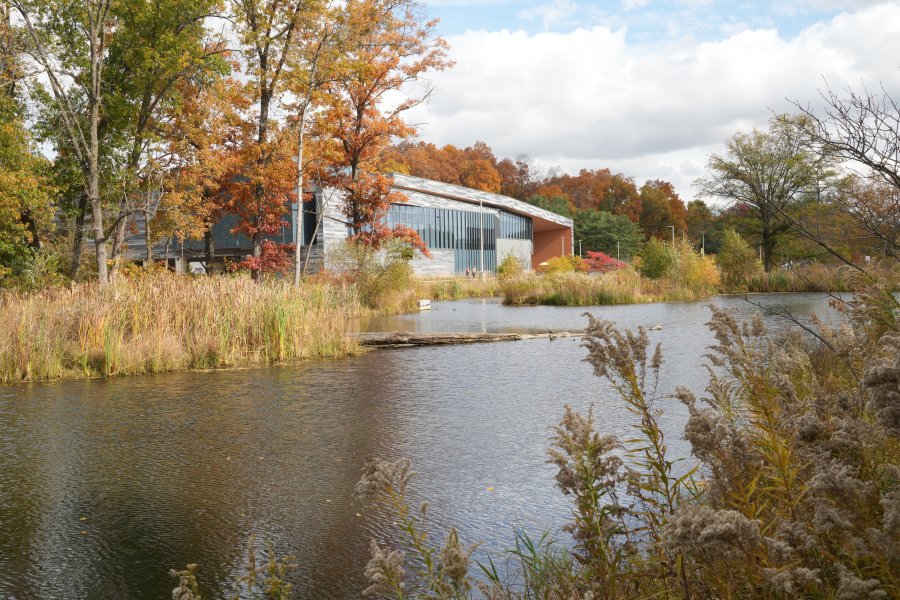
Since 1998, WMU has implemented 30 stormwater control projects utilizing nearly $2M of federal/state grant funding and strategic Municipal Separate Storm Sewer System (MS4) partnerships to establish controls identified within an EPA-approved Watershed Management Plan.
WMU intentionally became the first MS4 in the Kalamazoo River Watershed to document its efforts to reach the 50% total phosphorus (TP) reduction goal for its stormwater footprint of approximately 807 acres. WMU achieved this goal in 2008.
Additional work had resulted in WMU being recognized with a ‘net‐zero’ footprint for stormwater pollution (TP) and was considered Stormwater Neutral® in 2013. Two decades of best stormwater management practices are deployed on WMU site renovations and building projects.

Stabilized Aqueous Ozone
WMU Custodial Services has utilized Stabilized Aqueous Ozone (SAO) technology since 2014 and currently has 51 units in 41 of our academic buildings. SAO is a natural cleaner containing only water and oxygen. The use of Aqueous Ozone has allowed us to reduce our standard chemical usage by more than 60%.
Electric vehicle (EV) charging
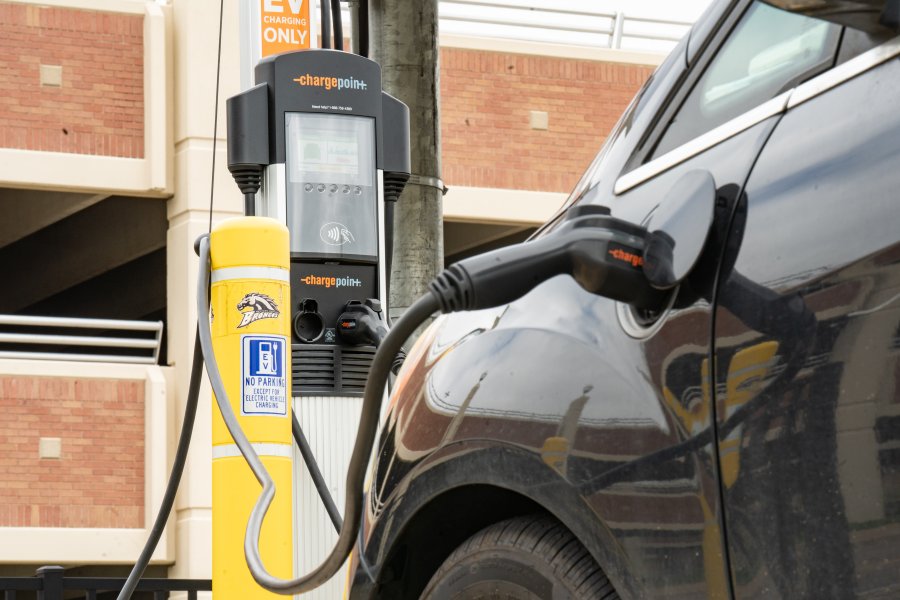
WMU led the higher education sector in the US by installing 20 EV charging stations across campus in 2012. In May 2022, 20 EV charging stations were upgraded and connected to the national ChargePoint information system. An additional 11 EV charging stations, serving 21 parking spaces, were added with the construction of the Hilltop Village Parking Structure in 2023.

Use of geothermal energy
Heritage Hall and the Zhang Legacy Collection Center use geothermal best practices to heat and cool these buildings with very little fossil fuel. Geothermal energy uses energy from the earth to heat and cool these buildings, resulting in low emissions from a renewable energy source.
Leadership in Energy and Environmental Design (LEED)
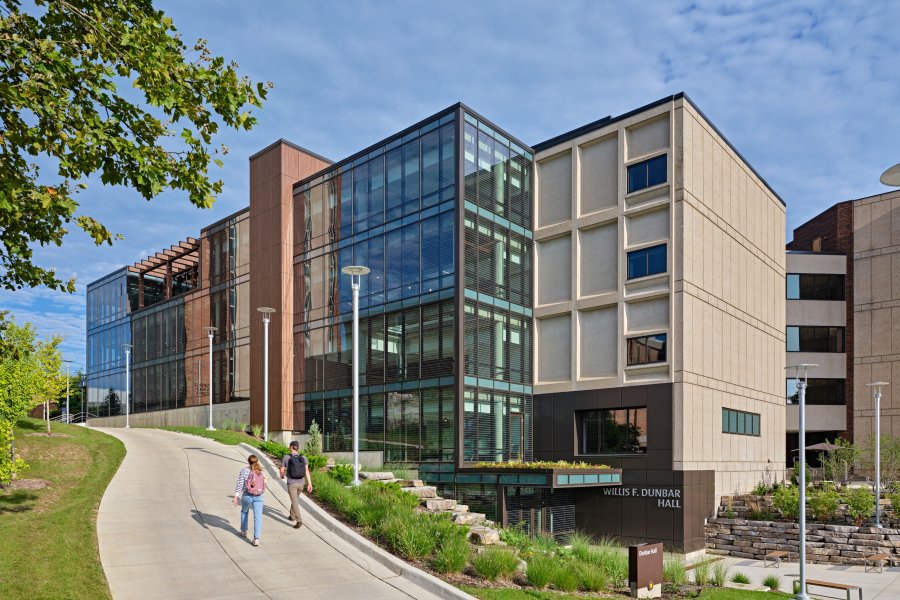
Since 2009, all WMU building projects have been designed to LEED standards. A total of 18 buildings with 1,632,834 square feet have earned LEED certification. Dunbar Hall is the most recent LEED project, receiving Gold level certification in 2025.

Reduction of Carbon Dioxide (CO2) emissions
WMU facilities have received their heat energy from a coal-fired plant since 1904, and the last use of coal was in 1999. Annual steam and electric CO2 emissions peaked in 1990 at 150,958 metric tonnes. In 2023, CO2 emissions were 65,749 tonnes resulting in a 56% reduction. 50% of the campus steam needs are created through a heat recovery process using no additional fossil fuel.
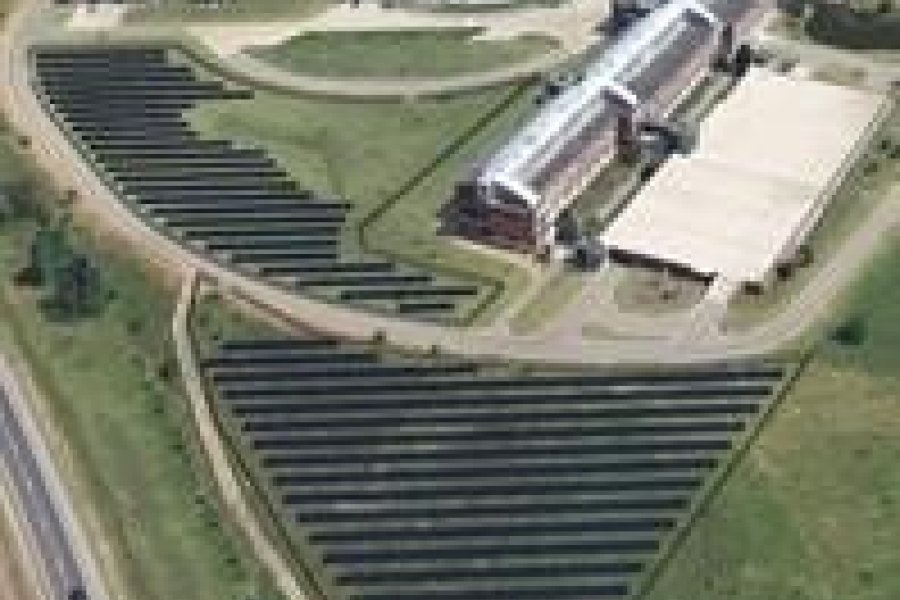
Solar power on campus
WMU continues to invest in more solar applications to lower our carbon footprint. The first solar garden in Southwest Michigan, adjacent to the College of Engineering facility, is a 1,000 kW array. The Miller parking lot and Sangren Hall also produce renewable solar energy in a 245 kW array.

Green space on campus
As the WMU campus build environment is transformed, there is more green space to improve the environment. Living surfaces include 559.4 acres of land, including 11 acres of garden, 246 acres of mowable turf, 167 acres of forest, 102 acres of native areas and 33.4 acres of athletic turf. WMU also maintains two nature preserves, totaling 319 acres. The preserves include Asylum Lake Preserve, 273 acres, and Kleinstuck Preserve, 46 acres.
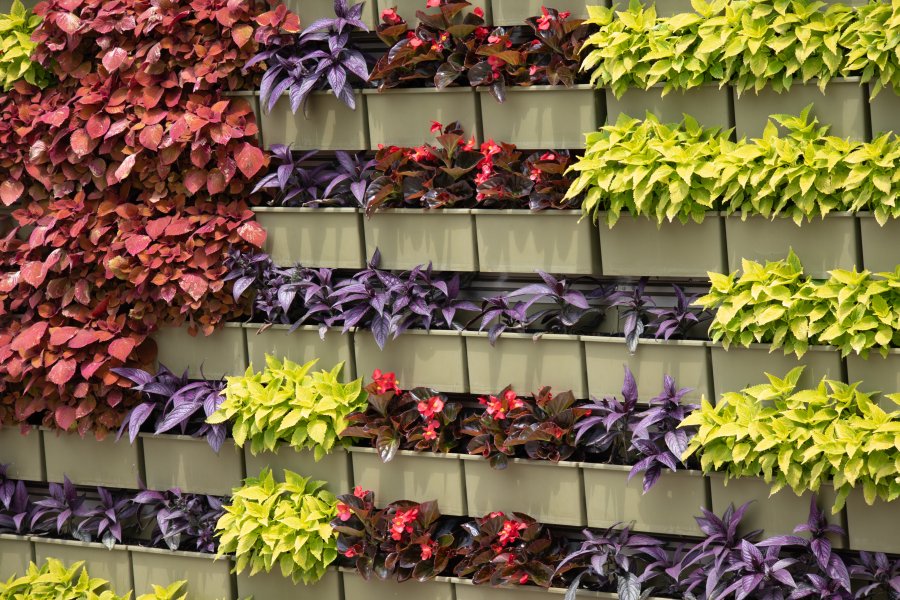
Incorporation of living walls and roofs
Landscape and maintenance services help to maintain a living wall and multiple living roofs on campus. The living wall is on the side of Valley Dining Center, which gets planted each year in the spring. In addition, there are two buildings that having a living roof: Sangren Hall and Dunbar Hall.
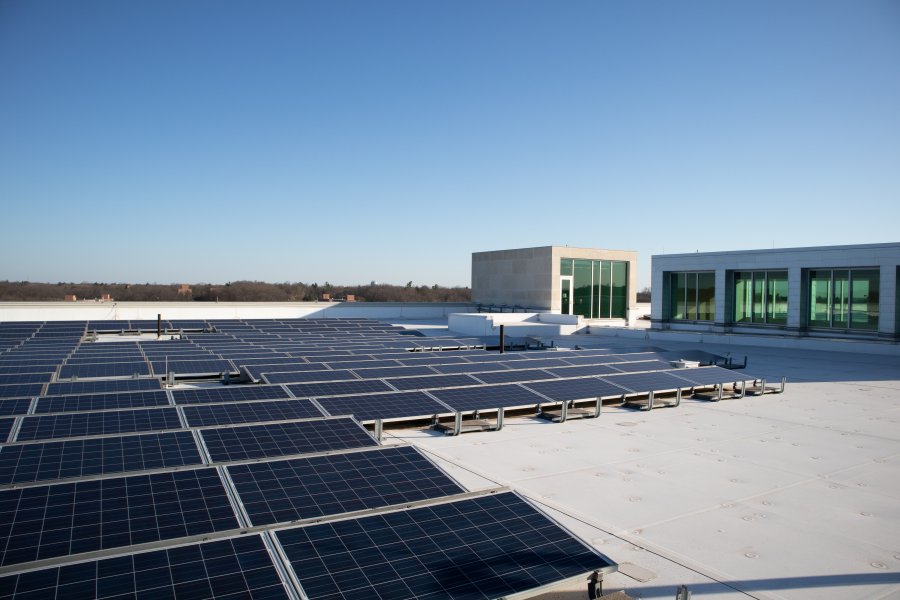
Energy management
Facilities Management is dedicated to responsibly managing the University’s facility assets by providing excellence in planning, engineering, design, construction and operations. Energy management is conducted by the Engineering Division, which aims to provide a comfortable environment for the campus community, within University policies, as energy efficiently as possible.
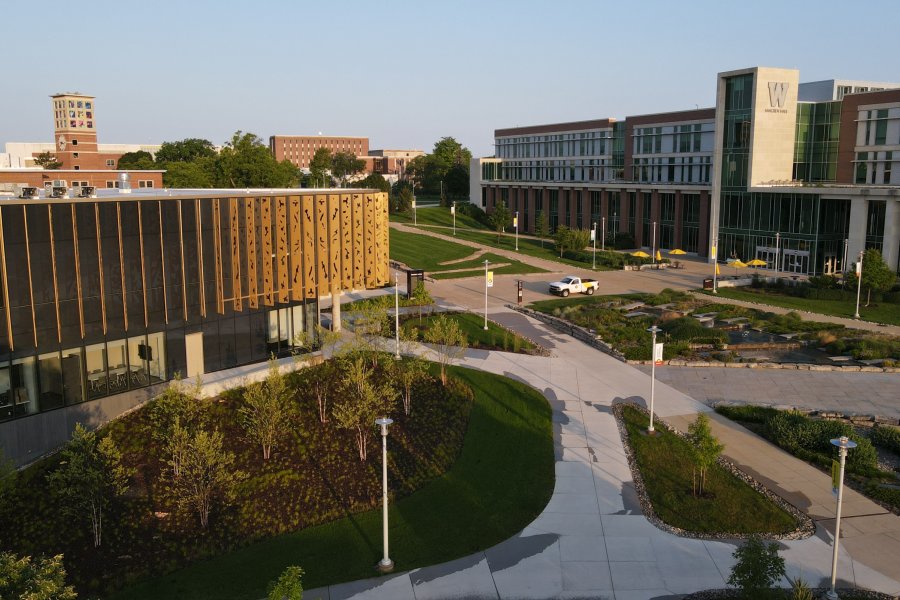
Campus master planning 2025 and beyond
Facilities Management recently update the campus master plan for 2025 and beyond, supplying a roadmap to continue shaping a campus experience where students, faculty and staff can grow, thrive and belong. Within the plan, our department is currently working on a project to reduce the campus footprint and rightsize to current campus needs. There are also plans to increase sustainable maintenance with modern technologies and increasing green space.