Apply-Explore Call To Action
Stats Grid
36 Credit Hours Beyond 1000-level
Take Japanese far beyond the basics. Build from intermediate study into advanced language, kanji, cultural analysis and readings in modern, contemporary and classical Japanese texts.
7 Study Abroad Opportunities
Make Japan part of your degree. Explore semester, academic-year and summer programs at universities across Japan, with opportunities in Tokyo, Kyoto, Otaru and beyond.
2 Advanced Reading Courses
Reach the point where Japanese opens new worlds. Work with essays, fiction, biography, poetry and historical texts while developing the confidence and strategies to approach unfamiliar Japanese writing on your own.
What you'll learn
Japanese at WMU gives you more than one way to build language proficiency while exploring Japanese culture, literature and society. You can make Japanese the center of your degree or add sustained Japanese study to another academic field.
The Department of World Languages and Literatures at Western Michigan University offers:
- Japanese major: Move from intermediate Japanese into increasingly sophisticated communication, reading and writing. Intermediate Japanese III expands your grammar, kanji and written Japanese, while Intermediate Japanese IV emphasizes conversation through activities such as role play, film discussion, speeches and debates. In Japanese Life and Culture, you can explore linguistic, literary, philosophical, artistic and religious dimensions of Japan. As you advance, Advanced Readings in Japanese I introduces essays, fiction, biography and verse, while Advanced Readings in Japanese II brings in nonfiction, historical writing and an introduction to classical Japanese grammar and vocabulary.
- Japanese minor: Build 23 credit hours of Japanese study alongside another major while choosing courses that let you explore the language from different angles. Extensive Reading in Japanese offers an opportunity to strengthen your ability to work with Japanese texts, while Structures of Modern Japanese lets you take a closer look at how the language itself works. Students interested in pushing their language skills further can also explore Advanced Japanese Language. The minor can complement interests in business, international studies, history, political science, media, education and other fields where Japanese language and cultural knowledge can broaden your perspective.
Beyond the major and minor sequences, students may have opportunities to explore Japanese through courses such as Japanese-English Translation Practicum, Studies in Japanese Culture, Topics in Japanese Linguistics and Language Science or Independent Study in Japanese, allowing advanced students to pursue particular interests in language, translation, culture or research.
Language majors complete WMU’s baccalaureate-level writing requirement through an approved course such as Global Issues through Literature and Film or East and West Literary Relations, connecting Japanese study with wider literary, cultural and cross-cultural questions.
Program requirements may vary by WMU undergraduate catalog year, and only courses completed with a grade of C or better count toward the Japanese major. No student may graduate under a catalog that is more than 10 years old. Students with previous Japanese experience should follow the department’s placement guidelines to begin at the level that best matches their preparation.
Student Quote
Include a quote from a current student speaking to the quality of the education they are receiving in the program and how opportunities within the program are setting the up for future career success.
Where you'll be after graduation
Where you'll be after graduation
Japanese can take you across the world—or into an international career right here in Michigan.
Japan is a global leader in technology, mobility, manufacturing, business and culture, and Michigan has one of the strongest Japanese business presences in the United States. More than 400 Japanese-owned facilities operate across the state, creating opportunities for graduates who can combine professional expertise with Japanese language ability and intercultural knowledge. Whether your future takes you to Tokyo, Detroit, Battle Creek or somewhere entirely unexpected, Japanese can help you build a career that crosses borders.
Your path could include:
- International business and Japanese industry: Build a career in international sales, account management, purchasing, marketing, finance, human resources, procurement, supply chain, logistics or business development. Japanese companies with a major Michigan presence include DENSO, Toyota, Subaru, Nissan and Daifuku, while hundreds of other Japanese-owned facilities operate throughout the state.
- Engineering, technology and advanced manufacturing: Pair Japanese with computer science, engineering, aviation, manufacturing or another technical field and prepare to work across international teams. Michigan and Japan have especially strong connections in automotive technology, mobility, electrification, robotics, research and development and advanced manufacturing.
- Translation, interpretation and localization: Use Japanese professionally as a translator, interpreter, localization specialist, multilingual content professional or language-services coordinator. These skills can support work in business, government, technology, media, education and international organizations.
- Government and international relations: Take Japanese into diplomacy, international affairs, public service, cultural exchange, immigration or government. The Japan Exchange and Teaching Program even offers Coordinator for International Relations positions for applicants with advanced Japanese, placing participants in Japanese local government offices where they may work in translation, interpretation and international exchange.
- Media, publishing and global communication: Japanese can lead toward careers in journalism, publishing, communications, digital media and international content. WMU language graduates have gone on to work in Japanese news media as well as internationally focused communications positions.
- Education and international exchange: Teach English in Japan through programs such as JET, pursue Japanese language education, work in study abroad or international student services, or continue into graduate study. For students who want to live and work in Japan after graduation, education can also provide an important first step into a longer international career.
- Tourism, aviation and hospitality: Bring Japanese to careers with airlines, airports, hotels, travel companies, tourism organizations and international exchange programs serving travelers and organizations on both sides of the Pacific.
- Research, graduate study and Japan-focused careers: Continue into Japanese studies, Asian studies, international relations, business, history, literature, linguistics or another graduate or professional field. Advanced Japanese can also give you direct access to research, professional networks and opportunities that are difficult to reach through English alone.
The real advantage comes from what you combine with Japanese. Japanese plus business can prepare you to work with companies operating between the United States and Japan. Japanese plus engineering or computer science can help you contribute to international technical teams. Japanese plus political science can lead toward diplomacy and international affairs. Japanese plus communication, writing or film can open possibilities in media, localization and global content.
And you do not have to travel across the Pacific to begin building those connections. Japanese companies employ tens of thousands of people across Michigan, including a significant business presence in nearby Battle Creek and throughout the Detroit metropolitan area. At WMU, the Soga Japan Center also connects the University with Japan-related business, cultural and civic communities in West Michigan.
With Japanese, “international” does not have to mean far away. Your career can begin in Michigan and reach all the way to Japan.
WMU's Career and Student Employment Services can help you turn those possibilities into a plan. Meet with a career coach, strengthen your résumé or CV, prepare for interviews, explore internships and search thousands of opportunities through Handshake. Career resources can also help you identify international employers and find ways to make your Japanese language skills stand out alongside the rest of your degree.
What others have achieved
What others have achieved
Explore recent accomplishments and opportunities that show how Japanese at WMU can open doors through language study, interdisciplinary learning and engagement with the wider community.

Making the most of your learning experience
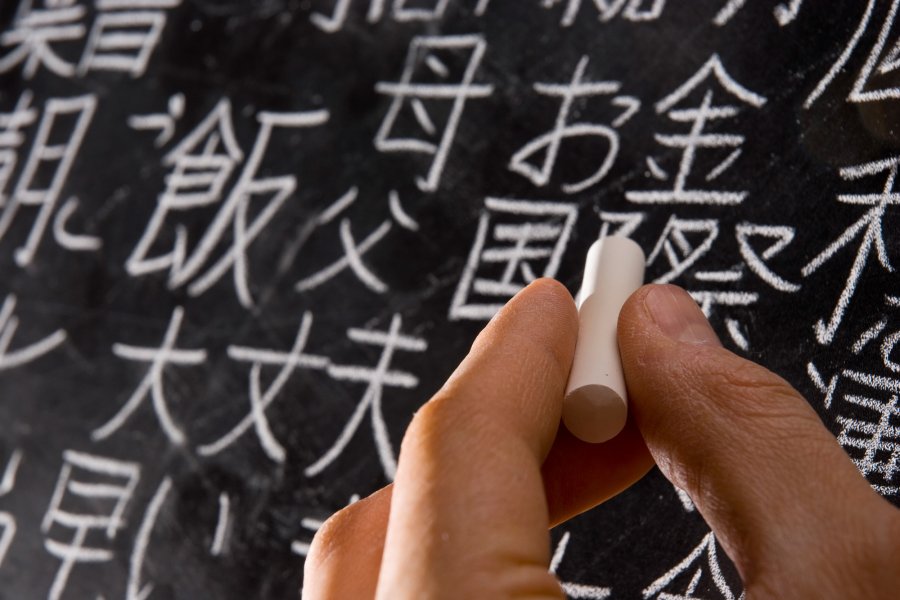
Japanese students at WMU can take their learning far beyond the classroom through study abroad, cultural programming, language practice and academic support. Exchange programs throughout Japan allow you to use Japanese in everyday life while experiencing the culture and communities you study firsthand. On campus, the Michitoshi Soga Japan Center, Japan Club, language activities and special events provide additional opportunities to practice Japanese and connect with others interested in Japan. Advising, tutoring, placement services and university-wide academic resources can help you build confidence and make these experiences part of your larger academic goals.
Advising
For questions about Japanese coursework, program requirements or language placement, students can contact Dr. Rika Saito if their last name begins with A through M or Dr. Carlos Pimentel if their last name begins with N through Z. Students interested in study abroad or education minors can work with Dr. Jeffrey Angles. Students are encouraged to reach out early when choosing future courses, considering international study or reviewing requirements for their catalog year.
For general degree planning, scheduling and graduation requirements, students can also work with Tom Mills.
Tutoring and academic support
The department offers free tutoring for students in 1000- and 2000-level language courses. Japanese tutoring can provide additional practice with grammar, vocabulary, kanji, reading, writing, conversation and preparation for assignments or exams.
Students can also use Student Success Services for broader academic support, study strategies and resources available across the University.
Placement
Students who have previously studied Japanese should follow the department’s placement guidelines before enrolling. Placement helps students begin at the course level that best reflects their previous experience and preparation and can prevent unnecessary repetition of material they have already studied.
Study abroad
Japanese students are strongly encouraged to consider an approved study abroad experience, with opportunities ranging from intensive summer language study to semester- and academic-year exchanges. Students may study at Keio University, Ritsumeikan University in Kyoto, Daito Bunka University in the Tokyo/Saitama area, Nihon University in Tokyo, Otaru University of Commerce in Otaru or Rikkyo University in Ikebukuro, Tokyo. These programs offer different combinations of Japanese language study, culture, literature, business, economics, politics and other academic subjects, allowing students to select an experience that fits their language level and academic goals.
Students can also participate in the faculty-led Religion and Culture in Japan summer program, which travels through Tokyo, Kamakura, Yokohama and Kyoto while introducing students to temples, shrines, museums, religious traditions and contemporary Japanese life.
Students interested in applying study abroad credit toward the Japanese major or minor should speak with Dr. Jeffrey Angles before making plans. Students should review the Japanese Program Comparison information when considering their options and be prepared to rank their top three program choices as part of the WMU study abroad application. Programs and courses must be approved before the experience begins.
Japanese language and cultural opportunities
You do not have to travel abroad to make Japanese part of your life at WMU. The Michitoshi Soga Japan Center supports programming related to Japanese language and culture, while the Japan Club gives students another way to meet people with similar interests and participate in cultural activities. Language activities, special events and occasional field trips provide additional opportunities to practice Japanese, encounter new aspects of Japanese culture and build connections outside the classroom.
What scholarships are available for a Japanese degree?
WMU offers institutional scholarships and grants that can help make a college education more affordable. Students interested in scholarship opportunities should review WMU’s financial aid resources and speak with the appropriate advising office about available options.