Apply-Explore Call To Action
Stats Grid
30 Credit Hours
Read Rome in its own words. Build from the foundations of Latin to epic, political oratory, satire, mythology and medieval texts while exploring how ancient writers confronted power, morality and human ambition.
2 Ancient Languages
Unlock Greece and Rome at the source. Study Latin in depth and expand into classical Greek, gaining direct access to the literature, philosophy, history and ideas that helped shape the world.
5 Literary Genres
Discover how many voices one ancient language can hold. Encounter history, satire, political oratory, lyric poetry and comic drama while developing the skills to interpret complex texts and competing perspectives.
Pursue a B.A. in Latin
Western Michigan University offers two paths for students who want to pursue Latin. You can earn a Bachelor of Arts focused on Latin language, literature and culture through the College of Arts and Sciences, or complete the undergraduate Latin degree as preparation for WMU’s post-baccalaureate Latin teaching-certification program through the College of Education and Human Development.
Through sustained language study, you will progress from foundational grammar to reading authors such as Cicero and Vergil while exploring epic, satire, political oratory, drama and medieval texts in their original language. You can shape the major around your interests through coursework in classical Greek, mythology, ancient history, Roman power and morality and the global influence of classical traditions.
Along the way, you will strengthen your abilities in translation, close reading, research, evidence-based argument and precise communication. These skills can prepare you for careers in education, law, history, philosophy, writing, publishing and public service, as well as graduate study in Classics and related fields.
What you'll learn
Classics at WMU gives you several ways to enter the worlds of ancient Greece and Rome. You can make Latin the center of your degree, add it to another field, explore the ancient world across multiple disciplines or begin studying classical Greek.
The Department of World Languages and Literatures at Western Michigan University offers:
- Latin major: Begin with the foundations of the language and advance to reading Latin literature in its original form. Courses such as Cicero and Vergil bring you into direct contact with Roman political rhetoric, philosophy, epic poetry and debates about leadership, duty and power. You may also study Latin Composition, explore prose and poetry from different authors and periods in Latin Literature, or follow the language beyond Rome through saints’ lives, monastic rules, hymns and homilies in Medieval Latin.
- Latin minor: Build a substantial foundation in Latin while completing another major. After beginning Latin and an introduction to Latin literature, you can continue into courses such as Latin Composition, Cicero, Vergil, Latin Literature and Medieval Latin. Selected Classical Studies courses may complement that language work by helping you examine the mythology, morality, art and historical settings surrounding the texts you read.
- Classical Studies minor: Explore Greece and Rome through a broader combination of language, mythology, literature, history, philosophy, art and culture. Courses such as Classical Greek and Roman Mythology trace ancient stories through literature, painting, music and sculpture, while Power and Morality confronts Rome’s complicated relationship with violence, authority and moral responsibility. Classics in Global Perspective examines how classical literature, art and ideas have traveled across cultures and continue to shape conversations far beyond the ancient world.
- Courses in Greek: Study the language of ancient Greek philosophy, history, drama and literature. After completing Basic Greek I and II, students may continue through the Greek-English Translation Practicum, working with texts such as poetry, essays, documents and short fiction, or pursue an independent study in ancient Greek literature.
Language majors also complete WMU’s baccalaureate writing requirement through an approved course such as Global Issues through Literature and Film or East and West Literary Relations, connecting their studies with wider literary and cross-cultural questions.
Program requirements may vary by WMU undergraduate catalog year, and only courses completed with a grade of C or better count toward the Latin major. No student may graduate under a catalog that is more than 10 years old. Students with previous Latin experience should follow the department’s placement guidelines to begin at the level that best matches their preparation.
Student Quote
The classes are engaging, fun and challenging. The professors are passionate about what they teach, and their enthusiasm makes you more passionate about the subject as well. I’m grateful to be part of such a welcoming and rewarding program.
Where you'll be after graduation
Where you'll be after graduation
Latin is ancient. What you can do with it is anything but.
A degree in Latin does not point toward just one profession, and that is one of its greatest strengths. Studying Latin trains you to work patiently with difficult material, notice distinctions others may overlook, trace ideas across centuries, evaluate evidence and communicate complicated arguments with precision. Those abilities can travel with you into classrooms and courtrooms, museums and archives, publishing houses, government offices, graduate programs and careers that may not have existed when you first declared your major.
Your path could include:
- Teaching Latin and the ancient world: Turn your knowledge of Latin, literature and Roman culture into a career in education. With appropriate teacher certification, you can teach Latin and Classics at the middle or high school level, while opportunities also exist in private and classical schools, tutoring, curriculum development and educational programming. Latin and Classics teachers can also connect with a national professional network and dedicated teacher-placement resources.
- Law, government and public service: Pair Latin with philosophy, political science, history or another field as preparation for law school, government or public service. The habits Latin demands—close reading, careful interpretation, attention to wording and evidence-based argument—translate naturally to fields in which the meaning of a text can depend on exactly how it is written.
- Museums, libraries, archives and cultural heritage: Build toward work with rare books, manuscripts, historical collections, museums and archives. Careers can include archival work, collections management, museum education, cataloging, curatorial work, research and special collections librarianship, with some positions requiring additional graduate or professional study.
- Publishing, editing and research: Bring the discipline of textual analysis into publishing, academic presses, editing, research, scholarly communications and writing. Latin students learn to move between original texts, translations, historical context and competing interpretations—exactly the kind of careful work needed wherever complicated information has to become clear and reliable.
- Digital humanities and scholarly technology: Combine Latin with computing, data science, information science or digital scholarship to work on searchable texts, digital archives, databases, manuscript projects and other tools changing how we study the past. Ancient texts may be old; the ways researchers preserve, analyze and share them increasingly are not.
- History, archaeology and the ancient world: Continue into ancient or medieval history, archaeology, epigraphy, manuscript studies, art history, religious studies or related fields where Latin provides direct access to primary evidence. Depending on the career, these paths may lead into graduate study, fieldwork, museums, research institutes or higher education.
- Graduate and professional study: Latin provides a strong foundation for advanced study in Classics, medieval studies, linguistics, history, philosophy, literature, archaeology and related humanities fields. Students also carry the analytical and communication skills developed through Latin into professional programs and careers in areas such as law, medicine, business and public administration.
And at Western, you can begin exploring some of these worlds before you graduate. WMU is home to internationally recognized medieval scholarship, extensive Special Collections with medieval manuscripts and early printed books, and the annual International Congress on Medieval Studies, which brings scholars, publishers, librarians, booksellers and research organizations from around the world to Kalamazoo. For a student interested in texts, history, archives, publishing or scholarship, the ancient and medieval worlds are not somewhere far away. They are part of the intellectual community on your own campus.
The real question is not “What job requires a Latin degree?” It is “What can I build with the skills Latin gives me?”
Combine Latin with education and you can teach the next generation. Combine it with history and you can work with the records of the past. Combine it with philosophy or political science and you can move toward law and public service. Combine it with English and you can pursue writing, editing and publishing. Combine it with computing or information science and you can help preserve and reinvent how people encounter the past.
Latin teaches you to make meaning from difficult texts. Where you take that ability next is up to you.
WMU's Career and Student Employment Services can help you turn those possibilities into a plan. Work with a career coach to identify fields that fit your interests, strengthen your résumé or CV, prepare for interviews, explore internships and search opportunities through Handshake. You can also use career-exploration tools to see where graduates with humanities and language backgrounds are working and begin connecting your Latin degree with the experience and additional skills your future career may require.
What others have achieved
What others have achieved
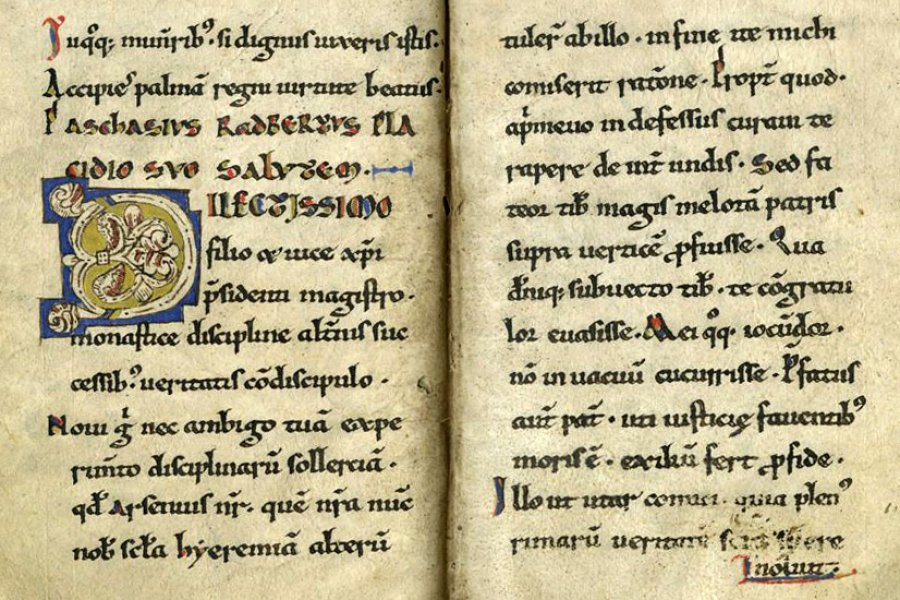
Explore recent achievements that highlight how Latin and Classics at WMU contribute to scholarship, preserve the ancient world and create new opportunities for students to engage with classical languages and cultures.
Making the most of your learning experience
Your study of Classics can extend well beyond assigned readings and classroom discussion. Individual advising, free language tutoring, placement support, approved study abroad and online research tools can help you strengthen your skills and shape the program around your academic goals. WMU’s Student Success Services also connect students with broader support throughout their undergraduate education. Whether you are beginning Latin, continuing previous study or adding Greek and Classical Studies coursework, these resources can help you move forward with confidence.
Advising and Academic Planning: For questions about Latin, Greek or Classical Studies coursework, program requirements, language placement or study abroad credit, contact Dr. Justin Barney, the Classics program advisor. Students are encouraged to reach out early when planning future courses, considering study abroad or reviewing program requirements, since appointment availability may vary throughout the semester.
For general questions about course scheduling and degree planning, students can also contact Tom Mills.
Tutoring and Student Success: The Department of World Languages and Literatures offers free tutoring for all 1000- and 2000-level language courses. Tutors can help students work through Latin or Greek grammar, translation, vocabulary, readings and exam preparation.
Students can also connect with Student Success Services for additional academic support and strategies for succeeding throughout their time at WMU.
Placement and Previous Language Experience: Students who have previously studied Latin should follow the department’s placement guidelines before enrolling. Placement helps students begin at the level that best reflects their experience and may also open access to retroactive credit or monitored test-out options.
Study tips:
- Conventiculum Latinum at the University of Kentucky, Lexington: Information about oral Latin summer programs at the University of Kentucky, Lexington.
- Diotima: Materials for the Study of Women and Gender in the Ancient World: Bibliographies and course materials.
- Ephemeris: An online Latin newspaper.
- Nuntii Latini: Der Monatsrückblick auf Latein: World news in Latin broadcast by Radio Bremen, Germany.
- Nuntii Latini from YLE Radio 1, Finland: World news in Latin broadcast by YLE Radio 1, Finland. Also includes links to Latin-language Web forums.
- The Internet Classics Archive: Searchable resource for translations of ancient titles.
- The Perseus Digital Library: Original language resources and online language tools, extensive collection of images.
What scholarships are available for a Latin degree?
WMU offers institutional scholarships and grants that can help make a college education more affordable. Students interested in scholarship opportunities should review WMU’s financial aid resources and speak with the appropriate advising office about available options.