Introduction
The Special Education K–12 major within the College of Education and Human Development is a in-depth and innovative teacher preparation program designed to equip future special educators with the knowledge and skills needed to support the diverse needs of students with disabilities across K–12 settings. Through a small cohort model, students build strong relationships with faculty and peers while benefiting from individualized support throughout the program. A strong emphasis on fieldwork and applied learning experiences allows students to connect coursework to real-world practice in schools and community settings.
Program Stats
97%
of College of Education and Human Development graduates working full time have a job related to their degree
98%
of College of Education and Human Development graduates participated in Experience-Driven Learning
95%
of College of Education and Human Development graduates working are satisfied with their job
Pursue a Bachelor of Science in Special Education K-12
Are you passionate about teaching? Do you want to help every child learn? Then the Bachelor of Science in Special Education at Western Michigan University is right for you.
Through the Department of Special Education and Literacy Studies, you will gain a profound understanding of the human brain and the diverse range of disabilities that can influence a student's educational journey. You won't just skim the surface; you will explore the specific characteristics and systemic impacts of:
- Intellectual and Learning Disabilities: Mastering strategies to bridge the gap between potential and performance.
- Autism Spectrum Disorder: Understanding neurodiversity and fostering inclusive environments that celebrate unique perspectives.
- Emotional and Behavioral Disorders: Developing the patience and psychological insight to support students through their most difficult challenges.
- Physical and Sensory Disabilities: Learning to implement assistive technologies and accommodations that level the playing field.
What you’ll learn
As a Special Education major, you'll develop comprehensive expertise in special education law, policy, and ethical practice, alongside assessment and data-based decision making. The coursework prepares you to deliver targeted academic instruction and interventions, utilize positive behavior supports for effective classroom management, and master the development and implementation of Individualized Education Programs (IEPs). Furthermore, you will gain essential skills in collaborating with families, educators, and community partners, ultimately equipping them to effectively lead transition planning for students with disabilities.
Each semester’s coursework is paired with structured field experiences to ensure that you have opportunities to apply learning in authentic K–12 school settings under the guidance of experienced educators and program faculty.
Student quote
If you want to be the most prepared teacher you can be coming out of your undergrad, Western Michigan University is the place to be.
Where you’ll be after graduation
Graduates of the Special Education K–12 program are highly sought after by employers and often have multiple job offers upon graduation. With Michigan teacher endorsements in K–12 Emotional Impairments and K–12 Learning Disabilities, graduates are prepared for positions such as teacher of students with EI, teacher of students with LD, special education teacher, resource room teacher, inclusion specialist, and behavior support teacher in public schools, intermediate school districts, and specialized educational programs. The program's strong emphasis on field experiences and practical training helps graduates enter the workforce with the skills and confidence needed to support diverse learners.
For 95% of College of Education and Human Development grads, they got that job or got into that graduate school program after graduation. That is because your journey of self-discovery begins the moment you step on campus. At WMU's Career and Student Employment Services, career specialists help you align your passions and abilities with future careers and advanced degrees. They will connect you to practical experiences like internships, job shadowing, research projects and professional mentors.
What others have achieved
Learn about the successful journeys of recent program graduates and the advice they have to share for prospective WMU students.

Meet Alexis
To be the change she wanted to see in the world, Alexis is student teaching at King Westwood Elementary and uplifting children with learning disabilities.
Meet Moises
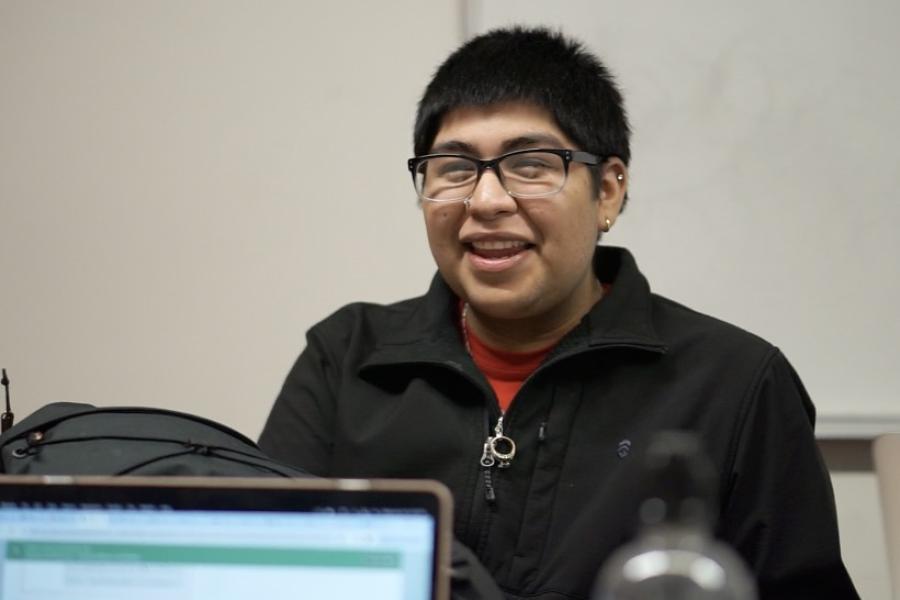
Co-President of the Future Teachers of Color RSO, Moises has helped students from diverse backgrounds come together and prepare them for success.
Making the most of your learning experience
In the College of Education and Human Development, you'll embark on an incredible journey of experiential learning that goes beyond textbooks. Collaborating closely with faculty members, you'll dive into cutting-edge research, fieldwork and professional pursuits. Pushing the boundaries of the traditional classroom, you'll gain practical skills and make a tangible impact.
The Special Education K–12 program emphasizes extensive, field-based learning throughout the curriculum. You will complete four structured practicum experiences followed by a full-time teaching internship, all of which are closely supervised by program faculty and designed to integrate coursework with authentic classroom practice. Practicum experiences focus on applying special education law and policy, positive behavior supports and classroom management, foundational reading intervention, intensive behavior intervention, and academic and behavioral supports across a variety of instructional settings and content areas. Throughout these experiences, you get to work in diverse special education settings across K–12 grade levels, design and deliver evidence-based academic and behavioral interventions for students with disabilities and those at risk for disabilities, and collaborate with families, educators, related service providers, administrators, and other educational stakeholders.
Experience driven photo

Are scholarships available?
Yes! You've put in the hard work—now it's time to see your reward.
Scholarships are an excellent way to help the reduce the costs of higher education. Whether you are entering college for the first time, transferring to WMU from another institution or returning from a gap in your education, be sure to check out our scholarship options. Students earn scholarships for financial need, academic success and promoting multicultural awareness. Most are offered on a competitive basis.
Additional admissions requirements
The Special Education K–12 program consists of two phases: pre-professional coursework, completed prior to admission to the major, and the upper-level professional program, completed after admission. New cohorts for the professional program begin each fall semester and are admitted once per year. Students apply during the spring semester preceding their intended fall start through the College of Education and Human Development's Advising Office. Applicants are notified of their admission status later that spring. Students who are offered admission are required to attend a program orientation before formally accepting their place in the cohort. Once admitted, students progress through the program together, completing all degree requirements in two years.
Students wishing to enter the Special Education K-12 professional program must meet the following minimum requirements at the time of application:
- Planned completion of at least 56 credit hours by program start date.
- Completion with a grade of “CB” or better all courses in the Pre-Professional Teacher Education Core.
- Achievement of a cumulative graduate point average (GPA) or 3.0 or better.
- Completion of a formal application for admission to the Special Education K-12 major.
- Completion of a background check and submission of any necessary additional documentation.