Apply-Explore Call To Action
STATS Grid
81%
of Department of Statistics students participate in experiential learning
79%
of graduates agree that their education and experiences as a students at WMU prepared them for their professions
93%
of graduates are actively engaged, either working or furthering their education
Pursue a B.S. in data science
As a joint program between the Department of Statistics and the Department of Computer Science, a B.S. in data science will prepare you to transform data into meaningful insights that support decision making. You will study a blend of statistics, computer science and domain expertise and learn how to clean, analyze and visualize large and complex datasets using contemporary tools and methods. These skills will open doors to numerous career paths including technology, e-commerce, manufacturing and healthcare.
What you'll learn
Get the best of both worlds with coursework from both statistics and computer science. You will obtain a core foundation in statistical analysis, programming, database management, big data methods and machine learning while gaining coding experience with tools such as Python, R and other data science technologies. Elective courses allow you to explore specialized areas such as data mining, big data, artificial intelligence and computer graphics. Data science students often minor in applied domains such as engineering, economics or public health that provide areas of application for their degree. You can also choose a more technical minor such as computer science, mathematics or statistics to deepen your fundamental understanding and skills.
Where you'll be after graduation
A degree in data science will set you up for success in any career involving large amounts of complex data. In today's world, algorithms and statistical analysis power everything from movie recommendations on streaming services to treatment plans in hospitals. Career paths span numerous industries, including technology, marketing, e-commerce, manufacturing and medicine. Recent WMU graduates with degrees in data science are working as:
- Business analysts
- Data analysts
- Operations research analysts
- Software developers
- Software engineers
Among the organizations they work for are:
- AutoIDM
- Consumers Credit Union
- Howmet Aerospace
- Pfizer
Making the most of your learning experience
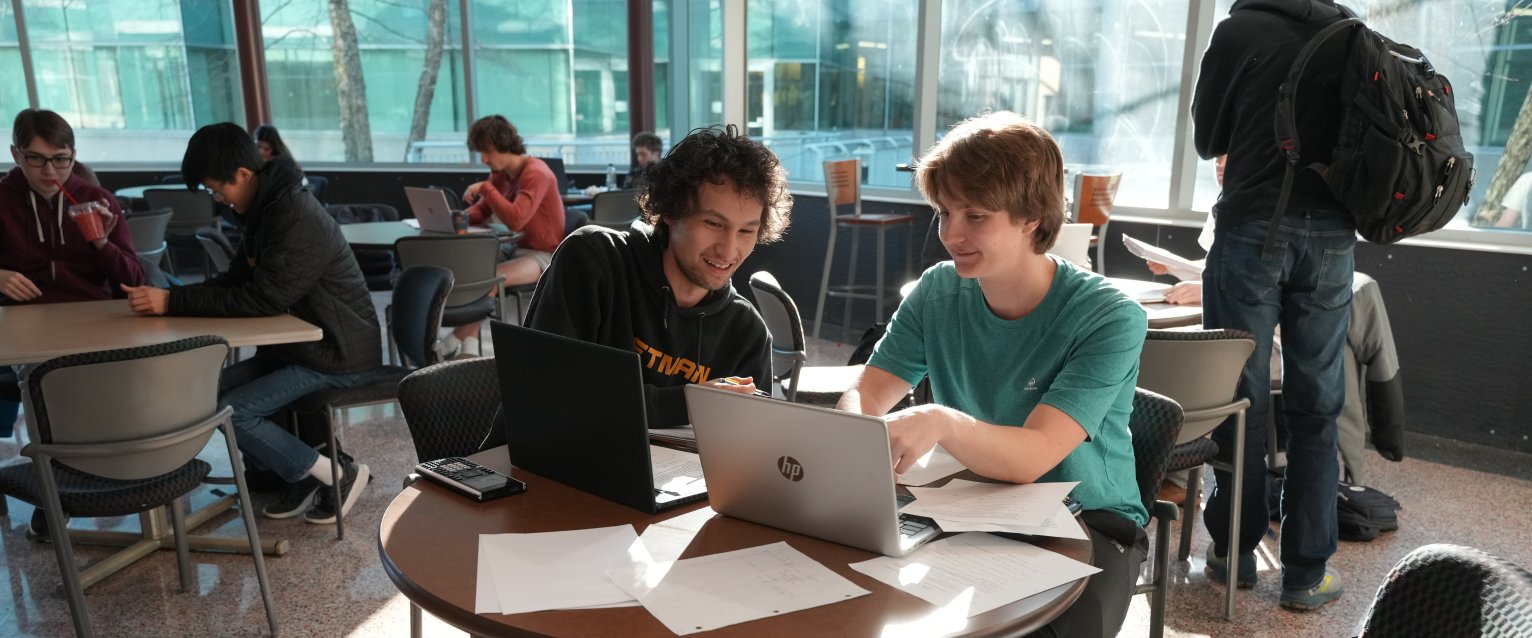
Experiential learning opportunities such as internships and projects are one of the key components of WMU's data science program. You will apply your knowledge in a built-in capstone project involving data collection and analysis, written and oral reports and peer critique. Our faculty and Career and Employment Services staff can also connect you with internships to gain hands-on experience and explore career paths. Getting involved with student organizations such as the Data Science and AI Club or the Sports Analytics at WMU Club is another great way to make connections and keep learning outside the classroom.
What scholarships are available for a data science degree?
The Department of Statistics offers scholarships to acknowledge outstanding undergraduate students majoring in either statistics or data science. In addition, WMU offers numerous scholarships based on financial need and academic achievement, and the College of Arts and Sciences supports learning outside the classroom through research and travel grants.