Apply-Explore Call To Action
STATS Grid
9 of 10
Broncos are employed quickly, working in their field in jobs they like
94%
or graduates are working or continuing their education
93%
of graduates participated in Experience-Driven Learning
Pursue a B.S. in hydrogeology
Hydrogeology applies basic understanding of mathematics, physics, chemistry, and geology to understand the movement of water underground and how this water can spread contamination from sources like landfills, underground storage tanks, industrial sites and mines. As a hydrogeology major, your coursework will focus on water-related environmental problems and applied, hands-on training in current solutions. As part of your capstone hydrogeology field course requirement, you will earn a high-demand industry certification in 40-hour OSHA Hazardous Waste Operations and Emergency Response (HAZWOPER). With a degree in hydrogeology, you can continue your education in a graduate program or enter a career in environmental consulting or water regulation.
What you'll learn
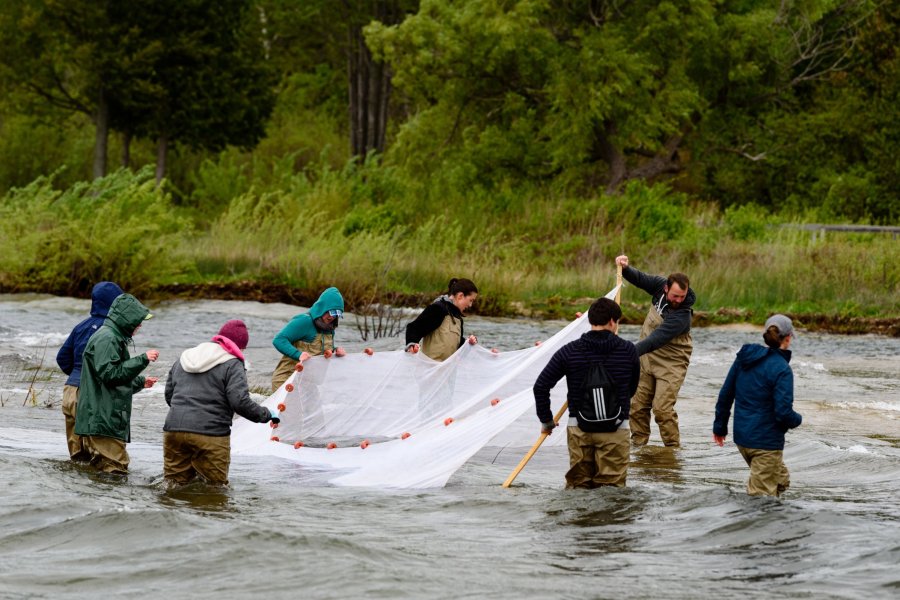
After completing your basic coursework in physical geology, chemistry, physics and mathematics, you will take upper-level courses that build a deep understanding of both traditional geology and ground and surface water. In your geology classes, you will have opportunities to join field trips that visit beaches, mountains, rock quarries, fossil sites and more across Michigan, Wisconsin, Ohio and Kentucky. his major requires you to complete our nationally renowned summer field program in hydrogeology as a capstone. The summer field courses are taught by industry professionals who emphasize team-based, hands-on training in modern techniques for groundwater sampling, testing, remediation, water well drilling and monitoring. This experience provides you with an opportunity to learn real-word skills in data collection and management that are in high demand among employers.
Student Quote
This department provides the analytical tools to study Earth system processes such as climate variability, water resources, and surface–subsurface interactions. Through hydrogeology, remote sensing, and climate science, I can integrate satellite data, climate models, and hydrological simulations to analyze complex environmental challenges.
Where you'll be after graduation
With a degree in hydrogeology, you can choose from numerous careers in geology and water resource management. Our graduates are working as:
- Environmental scientists
- Environmental technicians
- Geologists
- Geological technicians
- Hydrogeologists
Among their employers are:
- Arcadis
- Fishbeck
- GZA Environmental
- Jacobs Engineering
- Savoy Energy
- Stantec
- Terracon Consultants
- Tetra Tech
- Weaver Consultants
Making the most of your learning experience
The Department of Geological and Environmental Sciences offers an alumni career mentoring network designed to help you launch your geoscience career. Your alumni mentor can answer questions about career options and opportunities, how to choose classes that fit your goals, and how to prepare for the job market. The Department also participates in several career fairs and regularly runs geoscience career events each semester.
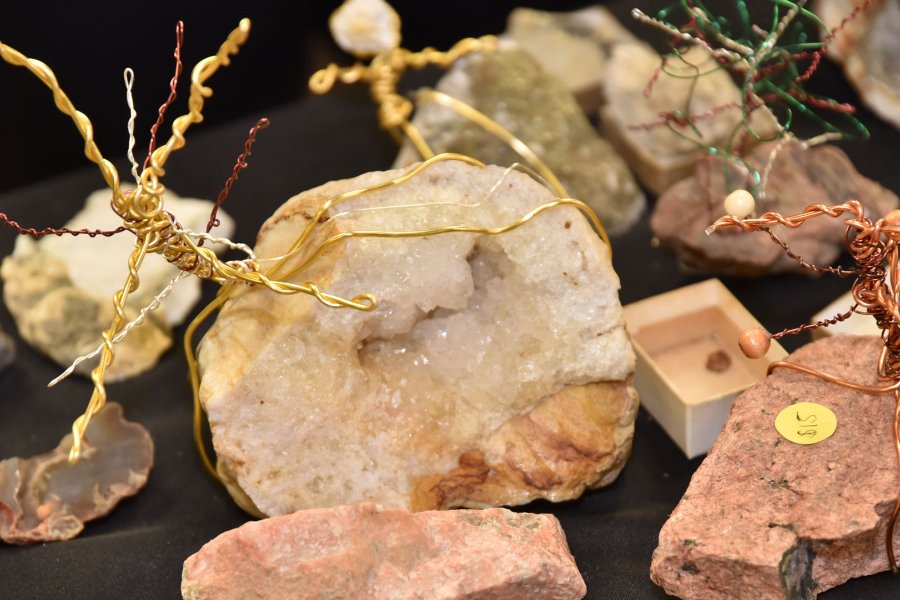
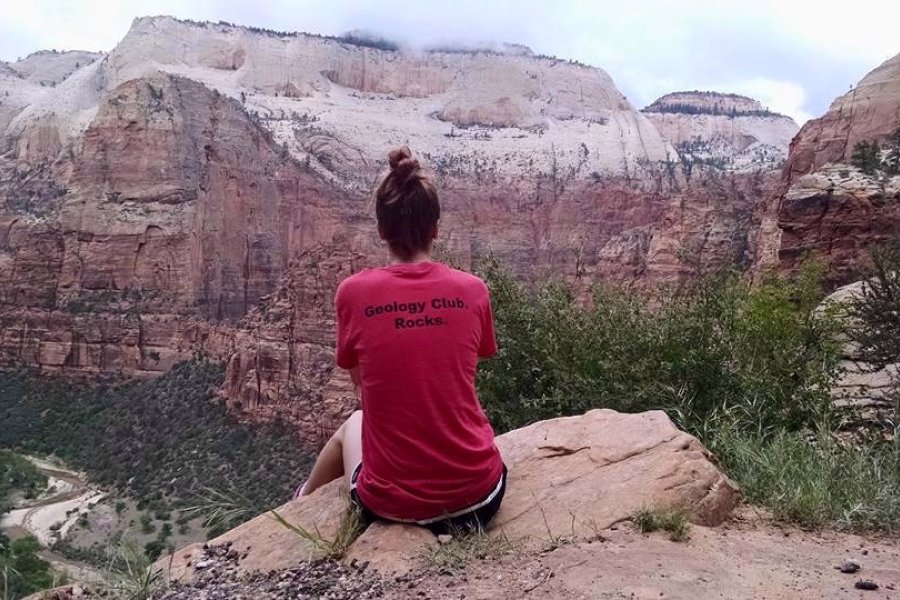
Make the most of your time at WMU by joining student organizations that support your interests and connect you with like-minded peers. The WMU Geology Club, also a student chapter of the American Institute of Professional Geologists (AIGP), is a four-time winner of the AIPG national student of the year in recognition of supporting student professional development through field trips, lapidary workshops, participation in events like Science Olympiad and Earth Day and career-focused events. Many hydrogeology majors have volunteered, held internships or had part-time jobs at the Michigan Geological Survey in projects related to managing the state’s water quality database and modeling tools.
What scholarships are available for a hydrogeology degree?
Thanks to the generosity of our alumni and friends, the Department of Geological and Environmental Sciences annually awards a range of scholarships, grants, awards and fellowships for undergraduate and graduate students. Scholarship applications are due annually by March 1 through Scholarship Universe. Students complete one application each year and based on qualifying criteria are matched to all scholarship opportunities in the department. Please apply!