Bachelor of Arts in Criminal Justice Studies

At Western Michigan, the criminal justice program goes beyond what you see in the news, helping you understand how law enforcement, courts and corrections really work. You'll study real cases, learn how the system is structured, and build skills like critical thinking and communication that carry into any career. Internships and hands-on experiences give you real-world exposure before you graduate. Whether you're interested in policing, law, advocacy or community change, this program helps you get started on a path with real impact.

Points of pride

9 of 10

Broncos are employed quickly, working in their fields in jobs they like

—2024-25 Career Outcomes Report

98%

of Broncos had instructors who made them excited about learning

—2024-25 Career Outcomes Report

96%

of sociology graduates are working or continuing their education

— 2023-24 career outcomes report

Pursue a B.A in Criminal Justice Studies

Western Michigan University’s Criminal Justice Studies program helps you explore how crime, justice, and social change impact individuals and communities while preparing for careers that make a difference. You can choose between the Criminal Justice track, focused on policing, courts, and corrections, or the Justice Studies track, which examines issues like equity, advocacy, and human rights. Coursework covers topics such as criminology, juvenile justice, race and justice, and the causes of crime while building critical thinking and communication skills employers value. What makes WMU stand out is the hands-on experience. Through internships, service-learning, and community partnerships, you’ll gain real-world experience with agencies and organizations before graduation. Whether you’re interested in law enforcement, victim advocacy, social services, or graduate study in law or criminology, WMU helps you turn your interests into a meaningful career path.

What you will learn

WMU's criminal justice studies program helps you explore how crime, justice and social change affect individuals and communities while preparing you for a career that makes a difference. Choose the Criminal Justice track, focused on policing, courts and corrections, or the Justice Studies track, covering equity, advocacy and human rights — both build the critical thinking and communication skills employers value. Internships, service-learning and community partnerships put you in front of real agencies before graduation. Whatever draws you in, from law enforcement to graduate study in law or criminology, this program connects your interests to a career you'll be proud of. 

Student quote

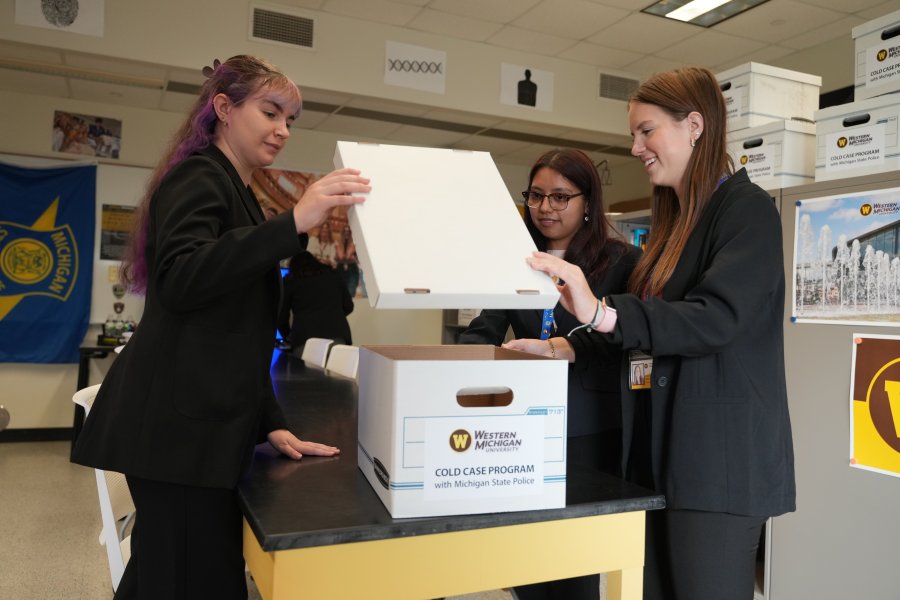
Being able to bring closure not only to the family but also friends and the community and knowing the person responsible is off the streets really means a lot.
— Gabriella

Where you'll be after graduation

A degree in criminal justice studies from WMU opens doors across law enforcement, victim advocacy, juvenile justice, the courts and case management, with agencies across Michigan and beyond. It also sets you up well for law school or graduate study in criminology or public policy. By graduation, you'll have real experience, professional connections and critical thinking skills valued by employers and graduate programs alike.

What others have achieved

Graduates pursue careers in law enforcement, courts, corrections, victim advocacy and social services, or continue their education in law or criminology. 

Making the most of your learning experience

WMU's criminal justice studies program pairs classroom learning with hands-on experience across Southwest Michigan, building practical skills in law enforcement, juvenile services, victim advocacy and community outreach. Faculty mentors and academic support services guide you through coursework, career planning and internship opportunities from your first year through graduation. By graduation, you'll have hands-on experience and a clear sense of where you want to take your career in criminal justice.

Criminal Justice photo

What scholarships are available for a Criminal Justice Studies degree?

At WMU, cost shouldn't stand between you and your degree. As a College of Arts and Sciences student, you may be eligible for Universitywide scholarships and grants, plus college-specific awards for criminal justice studies students. The Office of Student Financial Aid can help you find funding—scholarships, grants, work-study or loans—that fits your needs. The earlier you connect with them, the more options you'll have.

Frequently asked questions

A criminal justice studies degree from WMU leads to careers in law enforcement, probation, victim advocacy, child welfare and the courts, at the local, state or federal level. It also prepares you well for law school or graduate work in criminology. 

Hands-on learning runs through the criminal justice studies program at WMU. Service-learning courses and applied research connect you with community partners while you're still in the classroom, and individual internships with approved agencies build real skills alongside professionals in the field — some placements are competitive, so it's worth planning with your advisor early.

Beyond internships, the Criminal Justice Student Association connects you to campus and community activities focused on leadership, teamwork and conflict resolution, and hosts an annual career fair drawing agencies and law schools from across the country. Study abroad options are also available, offering an affordable way to see justice systems outside the U.S. 

Yes — several scholarships are available specifically for criminal justice studies students at WMU, including awards tied to public safety employment, GPA and coursework performance, and undergraduate research. Additional funding is also available through the College of Arts and Sciences and WMU at large. Connect with the Office of Student Financial Aid early to explore what you're eligible for. 

Admission to the criminal justice studies program follows WMU's standard undergraduate admissions requirements—there's nothing extra required to get started. Most students declare the major sophomore year, giving you time to confirm it's the right fit before committing. 

Both criminal justice studies and social work at WMU are rooted in a desire to help people and strengthen communities—but they approach that goal differently. Criminal justice studies focuses on understanding and working within the systems that define and respond to crime, like law enforcement, courts and corrections. Social work focuses on direct support, helping individuals and families navigate challenges like poverty, mental health, housing and family crisis. If you want to work within or reform justice systems, criminal justice is a strong fit; if you want to work directly with people in their hardest moments, social work might be the direction for you.