Apply-Explore Call To Action
Stats Grid
90%
of School of Environment, Geography, and Sustainability graduates are working or continuing their education
80%
of students in the School of Environment, Geography, and Sustainability applied their coursework to experiential learning outside the classroom
Pursue a B.S. in Urban, Regional, and Environmental Planning
The Urban, Regional, and Environmental Planning major prepares students to become professional planners with particular focus on small cities and their regional communities.
What you'll learn
As a student in this program, you'll complete 32 credits of core courses in planning theory, history, techniques, methods, ethics, law and administration. You will also complete 25 credits of required courses from cognate social science disciplines and statistics to gain additional knowledge and skills relevant to planning.
After that you will have the option to take 12 credits in one of the following areas of specializations:
- Environmental analysis and resource management
- Local economic development
- Tourism development and planning
- Local government
- Application of geographic techniques to planning
Clubs for WMU students in community and regional planning include the Western Michigan Association of Planning Students, the Geography Club or Gamma Theta Upsilon, and Students for a Sustainable Earth. You will also have the opportunity to gain pre-professional practical experience through internships.
Student Quote
Western’s school of environment, geography, and sustainability has been very welcoming and provides many different ways for me to be involved with my community. While advancing through the program, I feel my professors have been helpful with showing all the different ways I can apply my major to the real world and motivating me to continue my studies. Overall, I would highly recommend this program as I feel very prepared for entering the workforce after my graduation.
Where you'll be after graduation
Recent WMU graduates with degrees in community and regional planning are working as:
- Urban planners
- Regional planners
- Transportation planners
- Environmental planners
- Economic development specialists
- Site analysts
Among the organizations they work for are:
- Government agencies
- Travel and tourism agencies
- Research companies
- Consulting companies.
What others have achieved
What others have achieved
Here we could put a couple success articles of current or recently graduated students in this degree program and the career/educational success they have found on account of this degree program. If there are no articles you can put a picture with a caption of the student success or accomplishments, maybe with a link

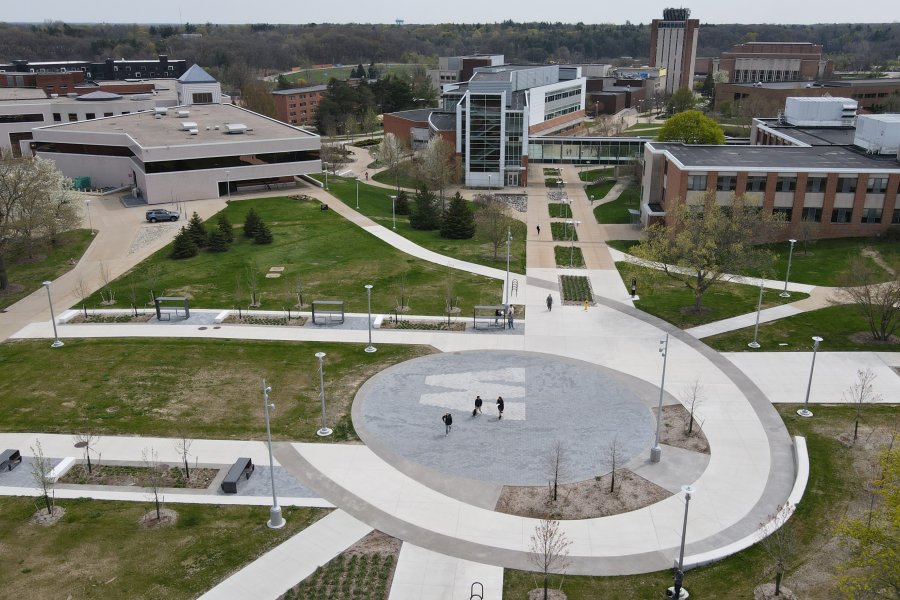
Making the most of your learning experience
In 3-4 sentences, speak to experiential learning opportunities offered within this degree program. Briefly show prospective students how these opportunities can set them up for future success. Also highlight academic support resources.
What scholarships are available for a urban, regional and environmental planning degree?
Introduce WMU's institutional scholarships and grants. Relay the message that this education is affordable.
Frequently asked questions
Other degrees of interest

B.A. in Global and International Studies
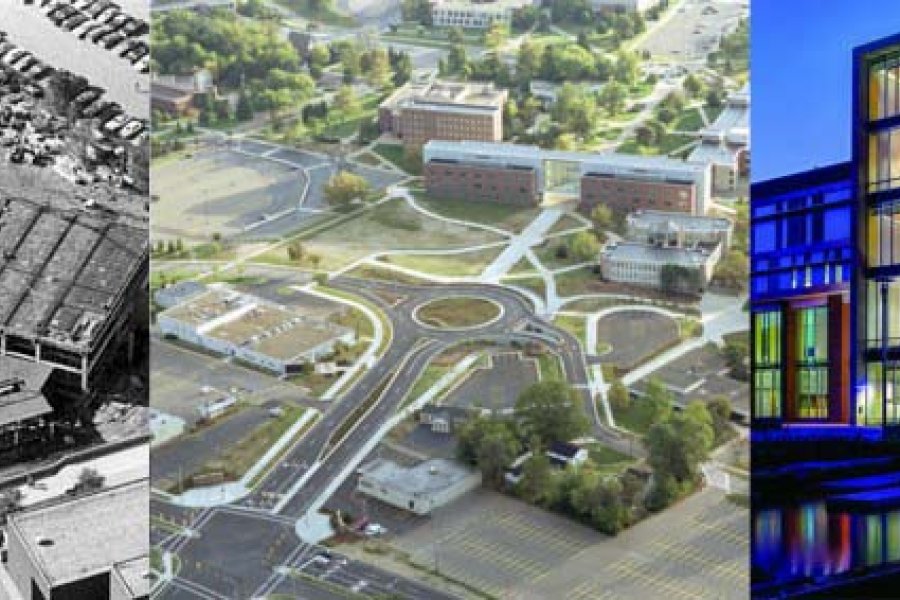
B.S. in Community and Regional Planning