Apply-Explore Call To Action
Stats Grid
95%
of students report that their instructors cared about them as a person.
90%
of School of Environment, Geography, and Sustainability graduates are working or continuing their education
90%
90% of Geography students participated in experiential learning
Pursue a B.S. in environmental geography
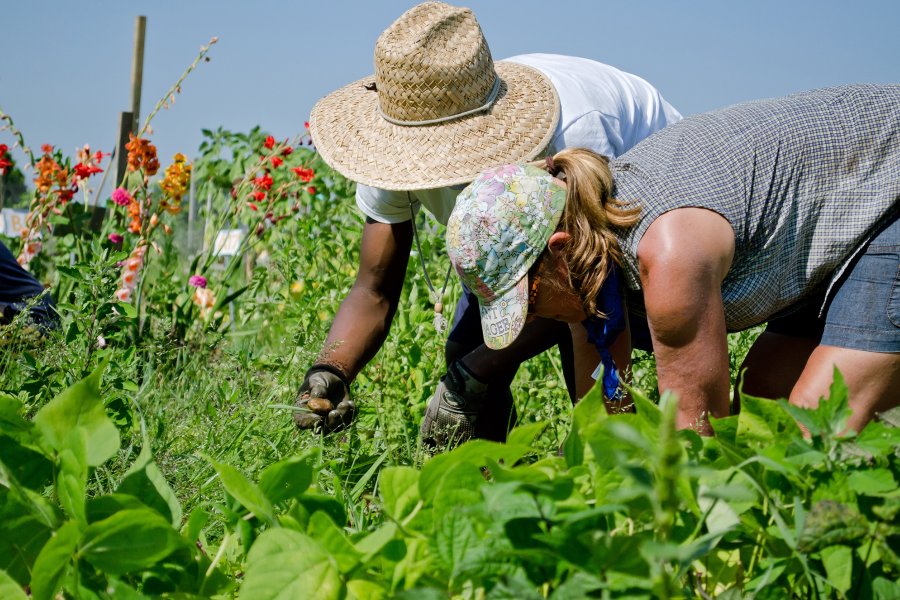
Gain a thorough understanding of the relationship between people and the environment that will prepare you for a variety of environmental careers. In addition to examining large-scale questions of sustainability, health and economics, you'll learn the concrete technological skills geographers use daily in the field. You'll gather geographic data through field observations, maps, photographs, satellite imagery and censuses, then analyze it through statistical analysis, maps and other visual tools. A degree in environmental geography will set you up for success in geography, geographic information science, tax mapping and climate science, as well as give you the tools to make environmentally responsible decisions in any field.
What you'll learn
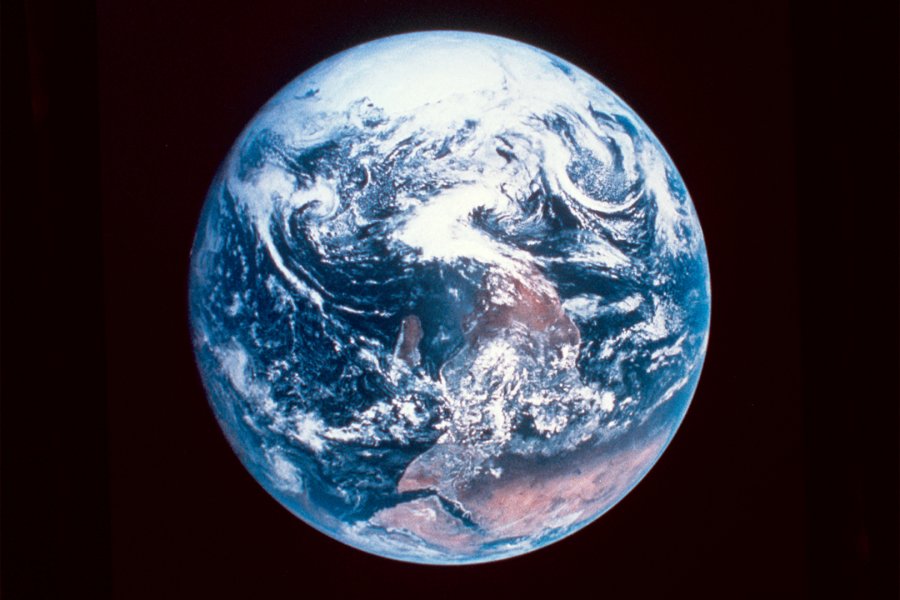
You'll study both human and physical geography for a holistic understanding of the relationship between people and the environment. You'll use scientific and social theories and explanations as well as geospatial technologies such as satellite imagery, drones and geographic information systems to collect, analyze and display data. Gain in-demand skills to ensure sustainable practices through courses in environmental analysis and management. In addition, your elective courses will give you the opportunity to find your favorite areas within geography as you hone your career path.
Student Quote
Western’s school of environment, geography, and sustainability has been very welcoming and provides many different ways for me to be involved with my community. While advancing through the program, I feel my professors have been helpful with showing all the different ways I can apply my major to the real world and motivating me to continue my studies. Overall, I would highly recommend this program as I feel very prepared for entering the workforce after my graduation.
Where you'll be after graduation
With a rising awareness of environmental impact in every industry, a background in environmental geography will equip you to promote informed decision making in fields including, business, healthcare, economics, climate science, water resource management and urban planning. Recent WMU graduates with degrees in environmental geography are working as:
- Environmental planners
- GIS analysts
- Water resources specialists
- Location analysts
- Remote sensing specialists
- Environmental risk analysts
- Economic development managers
- GIS database developers
- Climate change specialists
What others have achieved
What others have achieved

Making the most of your learning experience
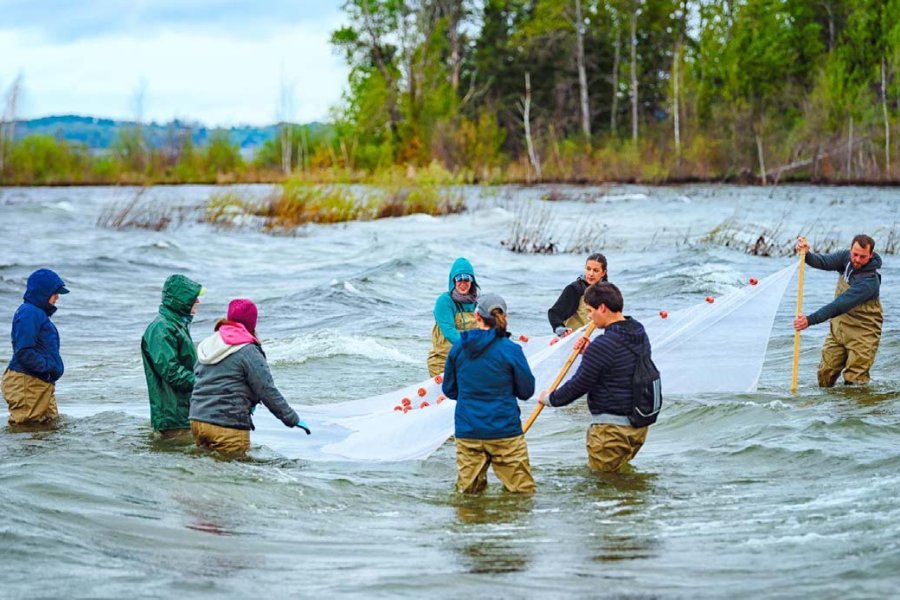
Outside of the classroom, you'll spend significant time in the field through independent studies, research and internships. Student organizations such as Students for a Sustainable Earth and Eco Broncos will help you get involved with sustainability efforts on campus and in the community through clean-ups, policy changes and more. You can also connect with WMU's Office for Sustainability to participate in workshops, learn to repair your own household objects or support clean transportation at their bike shop.
What scholarships are available for an environmental geography degree?
As an environmental geography student, you have access to a number of scholarships and awards through both WMU and the School of Environment, Geography, and Sustainability, including the Dr. Oscar H. Horst Endowment for Geography Award and Lucia C. Harrison Endowed Memorial Geography Scholarship. The College of Arts and Sciences also offers grants to support research and travel experiences to take your learning further.