Stats Grid
92%
of graduates say their education and experiences at Western prepared them for their profession
98%
of Broncos had instructors who made them excited about learning
91%
of College of Arts and Sciences graduates are working or continuing their education
Pursue a B.S. in Earth science
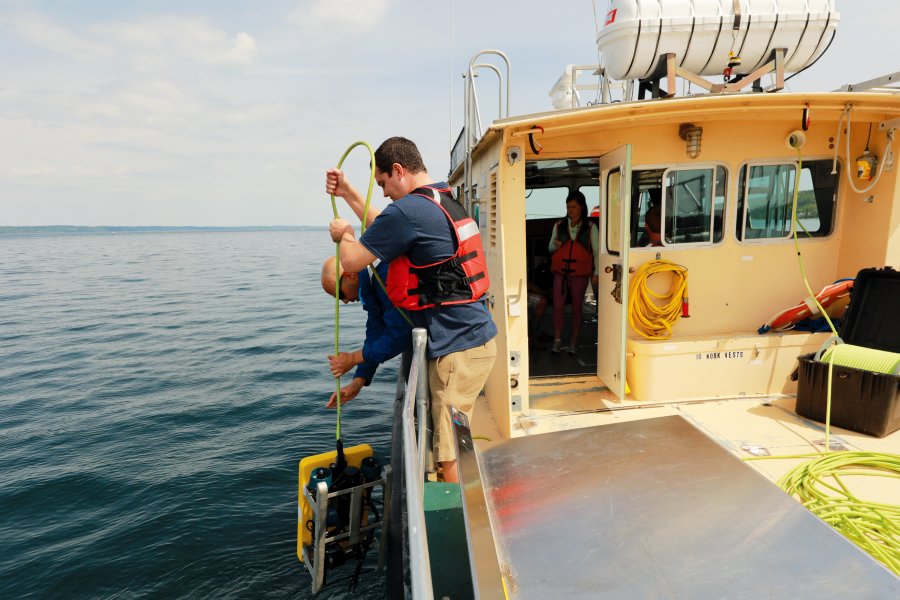
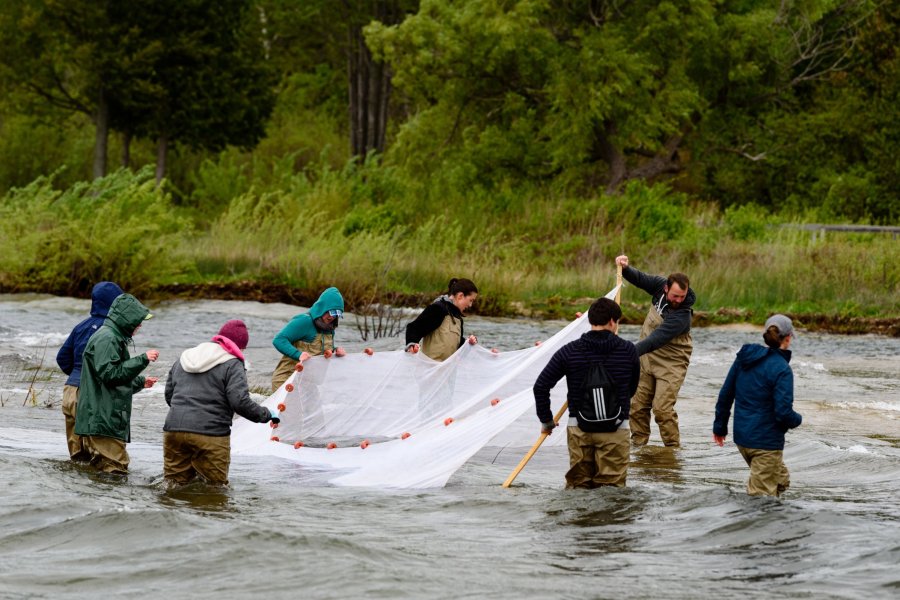
The Earth science major is a flexible program that will provide you with a broad understanding of the earth and its environmental processes. This interdisciplinary program allows you to select courses in biology, chemistry, geography, geology, hydrology and climate science to fit your interests. Earth science is recommended as a second major that supports your primary career goals and interests – for example, if you want a non-technical background in Earth and environmental science to support a career focused on law, policy, data science, communication, sustainability or business. As a student in this program, you will have opportunities to learn about a wide range of Earth science topics, participate in field trips and gain experience in research through a capstone experience.
What you'll learn
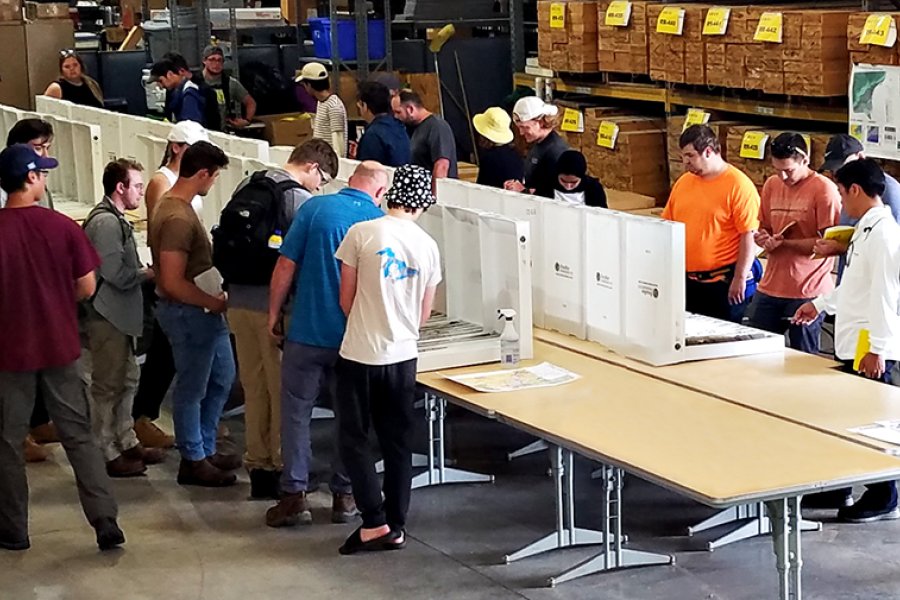
After completing foundational courses in geology, chemistry, physics and mathematics, you will be able to choose electives that fit your career goals and personal interests. You can choose courses in anything from dinosaurs and evolution to rocks and minerals, meteorology, climate science and sustainability. Your program can be customized to cover a wide range of topics or focus on a few areas most closely related to your interests. In your upper-level courses you will have opportunities to join field trips that visit beaches, mountains, rock quarries, fossil sites, and more across Michigan, Wisconsin, Ohio and Kentucky. Your capstone experience will provide you with an opportunity to learn real-word skills in scientific data collection and management that are in high demand among employers.
Student Quote
GEOS 3010 (Introduction to Earth Material) and GEOS 3020 (Field Geology & Geomorphology) introduced me to the wide range of knowledge and skills necessary for working in geosciences. The professors took interest in each student’s needs for the class and provided help based on such.
Where you'll be after graduation
Your degree in Earth science will open doors to diverse career paths in environmental science and education. Our graduates are working as:
- Ecological field technicians
- Environmental public health interns
- Field surveyors
- Guest experience master for conservation outreach
- Quality control technicians
- Youth coordinators
Their employers include the Air Zoo Aerospace & Science Museum, Cardno, Holcim, the League of Conservation Voters, Ottawa County and the Toll Brothers homebuilding company.
Making the most of your learning experience
The Department of Geological and Environmental Sciences offers an alumni career mentoring network designed to help you launch your geoscience career. Your alumni mentor can answer questions about career options and opportunities, how to choose classes that fit your goals and how to prepare for the job market. The Department also participates in several career fairs and regularly runs geoscience career events each semester.
Make the most of your time at WMU by joining student organizations that support your interests and connect you with like-minded peers. The WMU Geology Club, also a student chapter of the American Institute of Professional Geologists (AIGP), is a four-time winner of the AIPG national student of the year in recognition of supporting student professional development through field trips, lapidary workshops, participation in events like Science Olympiad and Earth Day and career-focused events. If your interests lean more toward environmental activism, Students for a Sustainable Earth and the Climate Change Working Group host numerous events and activities.
What scholarships are available for an Earth science degree?
Thanks to the generosity of our alumni and friends, the Department of Geological and Environmental Sciences annually awards a range of scholarships, grants, awards and fellowships for undergraduate and graduate students. Scholarship applications are due annually by March 1 through Scholarship Universe. Students complete one application each year and based on qualifying criteria are matched to all scholarship opportunities in the department. Please apply!