

WMU occupational therapy faculty receive $150,000 grant to support elder justice
KALAMAZOO, Mich.—Western Michigan University occupational therapy faculty members Dr. Maureen Mickus and Dr. David Renter have received a $150,000 grant through the Michigan Department of Health and Human Services’ Prevent Elder and Vulnerable Adult Abuse, Exploitation, and Neglect Today initiative to improve adult guardianship decisions and protect the rights of older adults.
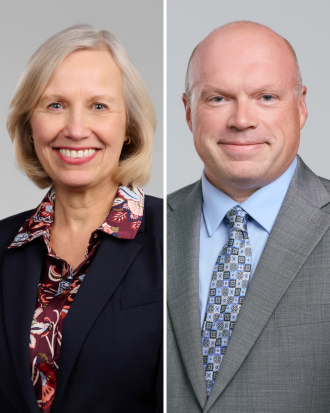
The project brings together WMU, Adult Protective Services and the Michigan Advancing Guardianship Innovations Center to help prevent abuse, neglect and exploitation while preserving individual autonomy. The initiative aims to reduce unnecessary guardianships by helping decision-makers better understand an older adult’s abilities, needs and potential alternatives to legal guardianship.
“This grant highlights the power of occupational therapy to promote autonomy, dignity and safety for older adults,” says Nancy Hock, Ph.D., OTRL, CHT, chair of the Department of Occupational Therapy. “We are proud of Drs. Mickus and Renter for leading this innovative work and creating meaningful opportunities for our students to contribute to elder justice efforts across Michigan.”
As part of the project, faculty-student teams will conduct in-home functional capacity assessments for older adults involved in guardianship proceedings in Kalamazoo, Allegan and Van Buren counties. The assessments will evaluate individuals’ abilities to complete daily activities, function independently and identify areas where additional support may be needed. The findings will provide advocates, attorneys and courts with information to help determine the most appropriate level of assistance for each individual.
The project also will provide WMU occupational therapy students with specialized training in elder justice and hands-on experience conducting assessments in community settings. Students will learn to evaluate functional abilities while considering personal safety, independence and individual rights.
In addition to supporting older adults and strengthening community partnerships, the initiative could help inform guardianship reform efforts throughout Michigan. By incorporating functional assessments into decision-making, the project aims to encourage individualized approaches that protect vulnerable adults while preserving as much independence as possible.
For more WMU news, arts and events, visit WMU News online.