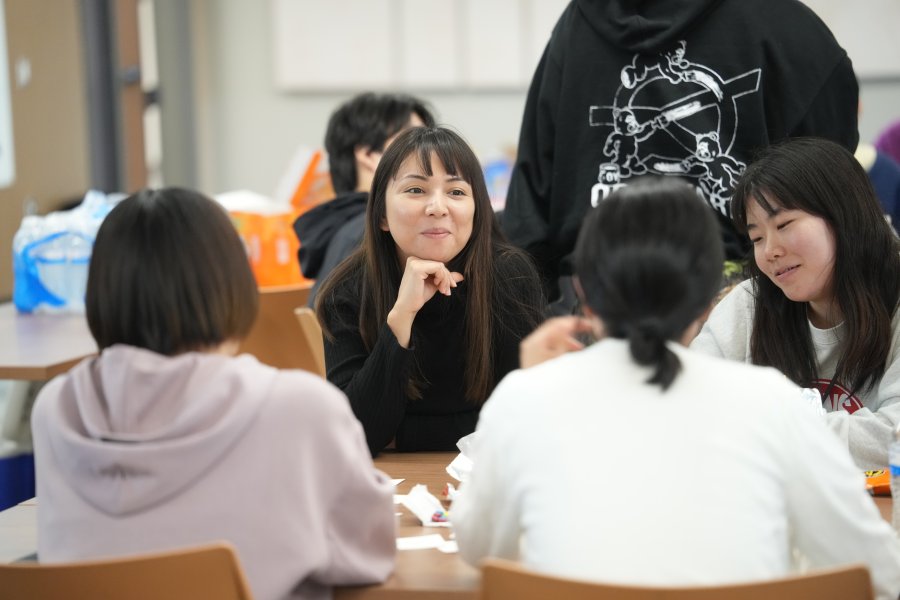
Bachelor of Arts in Creative Writing

You'll grow as a writer through hands-on workshops in poetry, fiction, plays and creative nonfiction. Learning extends beyond the classroom with opportunities to work in the Writing Center, join student organizations and contribute to campus publications, radio and publishing projects. Along the way, you'll build a portfolio and connect with a creative community of writers who push your work forward.

Points of pride

9 of 10

Broncos are employed quickly, working in their fields in jobs they like

—2024-25 Career Outcomes Report

98%

of Broncos had instructors who made them excited about learning

—2024-25 Career Outcomes Report

22 trips abroad

led by College of Arts and Sciences' faculty in 17 countries across the world

—

Pursue a B.A in Creative Writing

At Western Michigan, you'll build your creative voice through hands-on workshops in poetry, fiction, plays and creative nonfiction, while exploring literature, linguistics, film and media. You'll strengthen your ability to think critically, communicate clearly and adapt your skills across creative and professional settings. Outside the classroom, campus journals, student media, the Writing Center and collaborative projects in theatre and publishing let you put those skills to work. You'll also have opportunities to share your work, collaborate with other writers and develop a portfolio that reflects your interests and strengths. Graduates go on to careers in publishing, journalism, marketing and education, or continue into graduate, law or Master of Fine Arts programs.

What you'll learn

As a creative writing major at Western Michigan, you'll strengthen your communication and storytelling skills through courses in rhetoric and professional writing, preparing you for creative and professional careers alike. Your writing develops through revision and feedback, moving from early drafts to polished, publishable work. Faculty mentors guide you along the way, helping you build both craft and confidence as a writer. Through workshops, literary publications and other opportunities to share your work, you'll gain experience writing for real audiences and developing your voice as a writer.

Where you will be after graduation

You'll gain applied experience that prepares you for careers in writing, media and communication. Many students take part in experiential learning opportunities that build professional portfolios and strengthen practical skills. Partnerships with organizations like Encore Magazine, Michigan Public and WMUK connect you with industry professionals and grow your network before you graduate. You'll leave WMU ready to create, collaborate and keep growing as a writer.

What others have achieved

Creative writing graduates go on to careers in writing, publishing, media, marketing and graduate study, applying the storytelling, editing and communication skills they build throughout the program. 
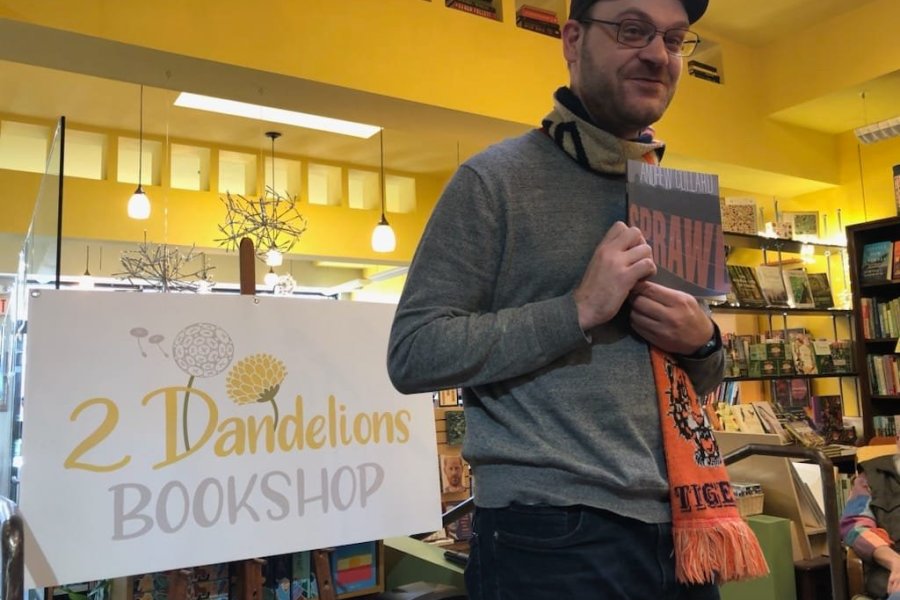
Making the most of your learning experience.

Experiential learning shapes your time in the creative writing program, from internships and faculty mentorship to practical work in writing, publishing and media. Beyond the Writing Center and campus publications, you can collaborate on playwriting projects with WMU's theatre program or present original work through Sigma Tau Delta. These opportunities help you grow your portfolio and connect with a wider creative community.

Student Photo

What scholarships are available for a Creative Writting degree?

At Western, scholarships are available at the institution, college and department level, so there are multiple ways to help fund your degree. As a creative writing student, you may be eligible for English Department scholarships designed specifically to support students in the program. Connect with the Office of Student Financial Aid to explore what you qualify for.

Frequently asked questions

A creative writing degree opens doors across careers in writing, publishing, media, marketing and education, bringing strong storytelling, editing and communication skills to every field. Many graduates also continue into graduate, law or Master of Fine Arts programs. 

Yes—through internships, faculty mentorship and partnerships with organizations like Encore Magazine, Michigan Public and WMUK, you'll build practical experience and grow your professional network. On campus, you can contribute to student journals, newspapers and radio programming, work as a writing consultant in the Writing Center, or collaborate with WMU's theatre program on playwriting projects. These opportunities help you build a portfolio and prepare for life after graduation. 

Yes—Western offers scholarships at the institution, college and department level, including English Department scholarships designed specifically for creative writing students. Connect with the Office of Student Financial Aid to explore what you qualify for. 

Creative Writing has no additional admissions requirements beyond standard WMU admission. Many students declare their major by or during their second year, so you have time to explore before committing. 

Both degrees develop strong writing and communication skills, but they point in different directions. Creative writing focuses on craft—you'll workshop poetry, fiction, plays and creative nonfiction while building a portfolio of original work and gaining experience through campus journals, student media and WMU's theatre program. Rhetoric and writing studies takes a broader lens, exploring how language shapes culture, communities and ideas through coursework in multimedia writing, editing, web content and grant writing. If you're drawn to storytelling and literary craft, creative writing is your path; if you're interested in professional writing, content strategy or how communication works across industries, rhetoric and writing studies may be the better fit.