


B.S. in Kinetic Imaging with an Emphasis in Video Art
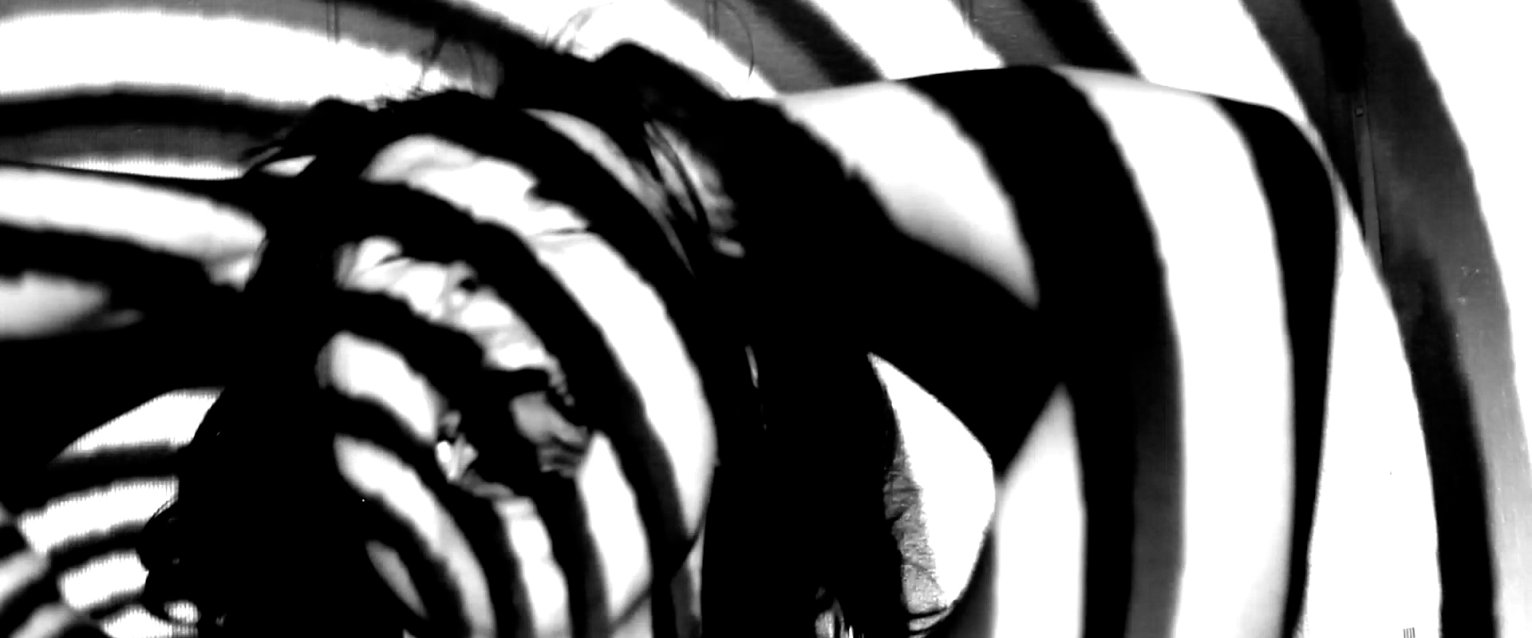
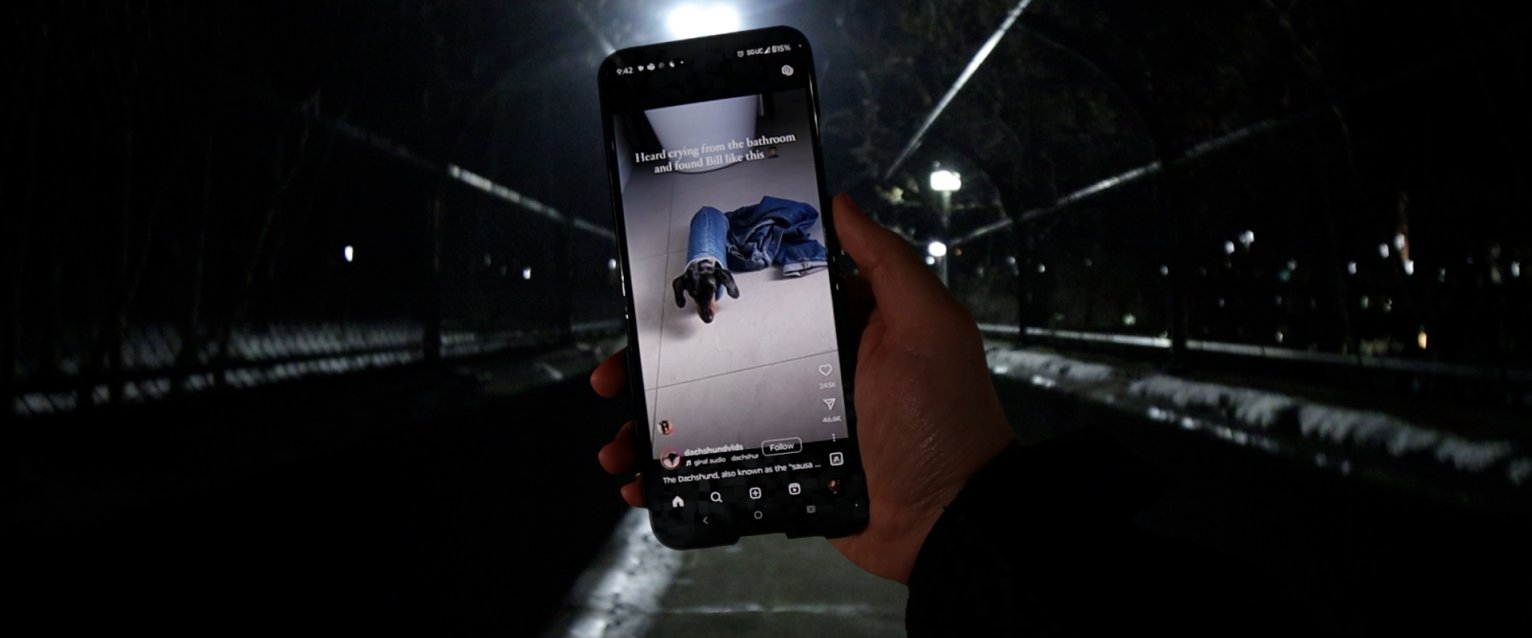
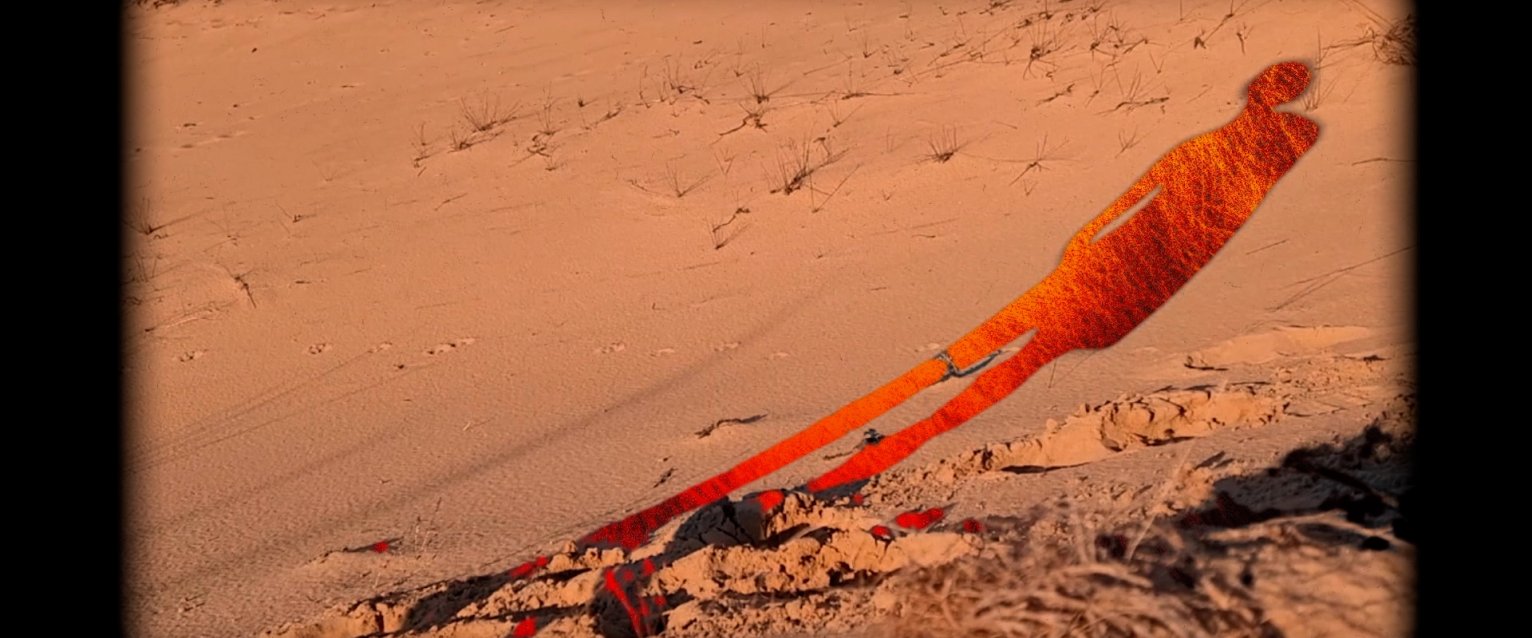
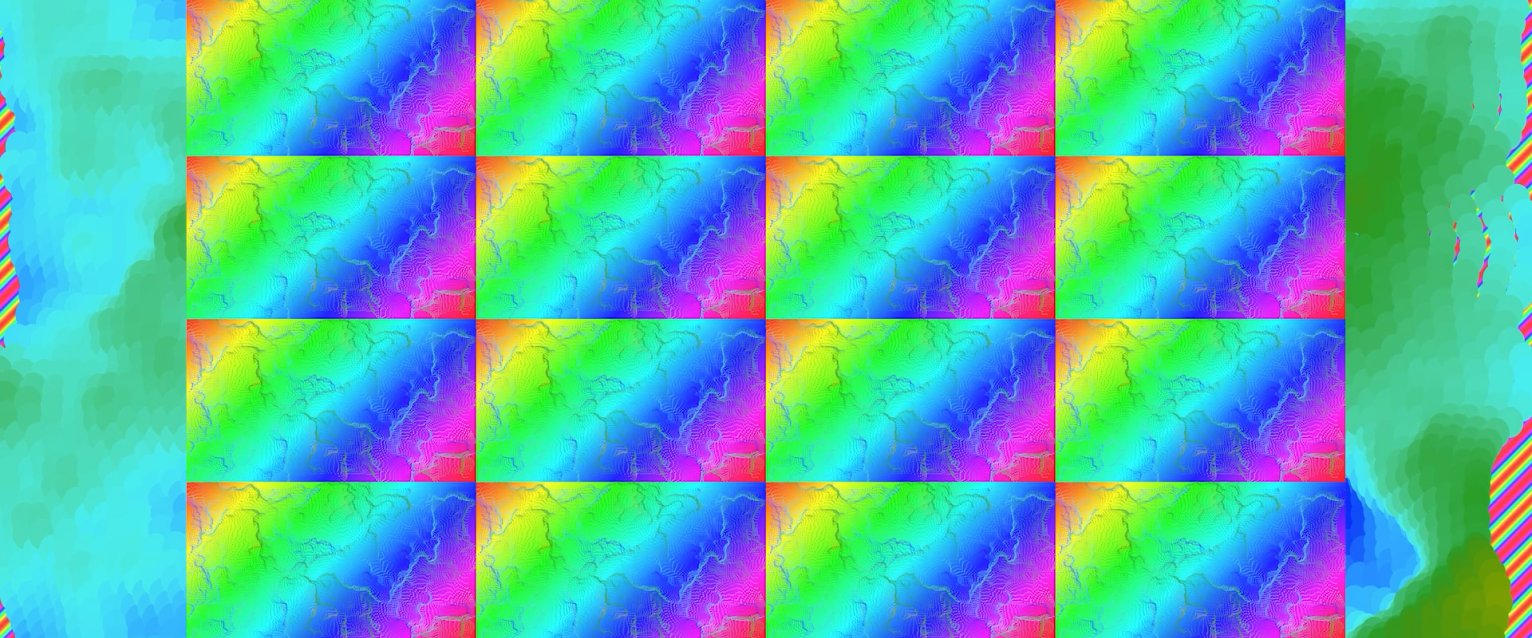
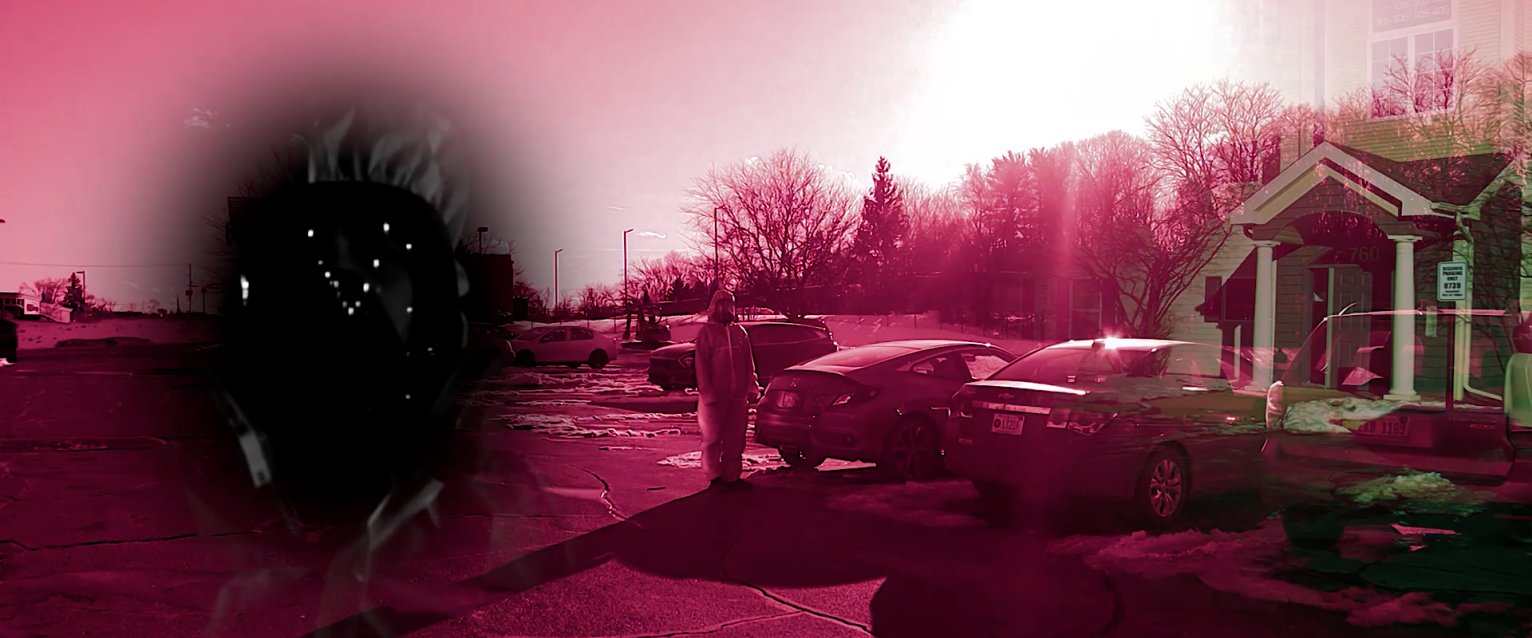
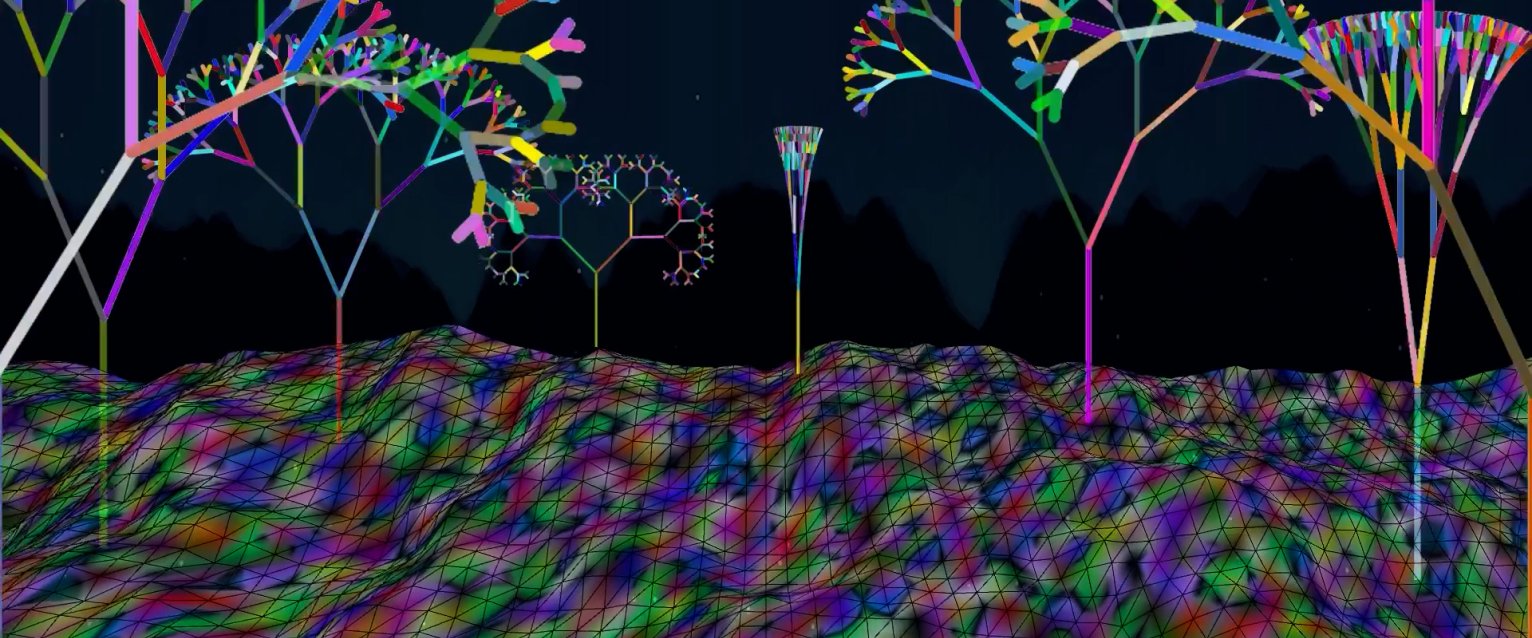
The Video Art track focuses on creative production of time-based art using both traditional and expanded techniques. Traditional techniques include cinematography, lighting, editing, sound design, and color. Expanded techniques center on node-based visual programming such as TouchDesigner, an industry-standard environment used in contemporary AV performance and immersive installation, to develop visual effects, interactivity, audio-visual performance, immersive 360° video for VR headsets and planetarium domes, and multi-channel video walls.
Video Art also has a standing partnership with the Kalamazoo Valley Museum Planetarium. Video Art II students learn to create immersive 360° video for the venue, culminating in a public presentation at the end of the semester. Students may also pursue internship opportunities with Resonant Gallery.
Coursework emphasizes problem-solving, conceptual development, and effective communication. Students move from short-form experiments to longer projects across experimental video, interactive installation, and audio-visual performance. Image, sound, and time become the core materials of their practice, and they leave the program with a portfolio that reflects both their personal voice and a critical understanding of how video art shapes the culture around it.
Within the broader Kinetic Imaging program, Video Art students also intersect with coursework in Animation, Game Art, and the Multimedia Art Technology (MAT) program in the School of Music. This breadth gives them a range of skills applicable to a diverse set of artistic endeavors and media-focused careers.
Software
- Adobe Creative Suite
- TouchDesigner
- Ableton Live 12 Suite
- GRM Tools
- Mad Mapper
- Signal Culture Modular Apps
- Philosophical Tools
Hardware & Facilities
- High-performance PC for high end rendering
- Blackmagic Design HyperDeck Studio 4K Pro for real-time capturing
- Eurorack Synthesizer
- Motion capture systems
- 3D Scanning & motion-tracking cameras
- Glitch Camera
- 5 mini PCs with TouchDesigner & MadMapper
KINETIC IMAGING
Western Michigan University's Kinetic Imaging program is a Bachelor of Science degree with tracks in animation, game art, and video art. The kinetic imaging core includes coursework in world building, character development, virtual production, augmented & virtual reality, creative coding, interactivity, 3D modeling, illustration, sonic art, experiential design, installation, and performance art.
Kinetic imaging prepares students for professional practice as multimedia artists by creating a multitude of contemporary approaches through a flexible curriculum. The program is a four-year course of study that emphasizes critical thinking, problem-solving, collaboration and experimentation, as well as the creative use and mis-use of technology. At critical points in the curriculum, the KI program intersects with the Multimedia Art Technology (MAT) program in the School of Music. By studying media history, theory, technique, methodologies and related technology, students will accumulate a wide range of experiences and skills applicable to a diverse set of artistic endeavors and media-focused careers.
CURRICULUM: BACHELOR OF SCIENCE IN KINETIC IMAGING
Basic Studies - 12 credits
- ART 1040 Object Drawing
- ART 1070 Form and Surface
- ART 1080 Form and Space
- ART 1090 Time and Process
Art History - 3 credits
Select at least one of the following
- ART 2200 Caves to Cathedrals
- ART 2210 Modern and Postmodern
- ART 2220 Art of Africa, Oceania, and the Americas
- ART 2230 Introduction to Asian Art History
Kinetic Imaging Core - 18 credits
- CFA 2000 Coding Lab (repeatable for credit)
- MUS 2240 Electronic Music Techniques
- ART 2290 Digital Video Concepts
- ART 2690 Illustration I
- ART 3780 Media and Culture
- CFA 4000 Experimental Lab (repeatable for credit)
- ART 4800 Topics in Kinetic Imaging (repeatable for credit)
Non-Digital Studio Art - 6 credits
Select at least two of the following
- ART 2160 Black and White Photography I
- ART 2300 Ceramics I
- ART 2310 Sculpture I
- ART 2380 Metals & Jewelry I
- ART 2400 Painting I
- ART 2800 Printmedia I
Kinetic Imaging Concentrations - 9 credits
Select at least one of the following:
Animation
- ART 2840 Animation I
- ART 3840 Animation II
- ART 3180 Topics in Animation (repeatable for credit)
OR
Game Art
- ART 2970 Game Art I
- ART 3970 Game Art II
- ART 3190 Topics in Game Art (repeatable for credit)
OR
Video Art
- ART 2750 Video Art I
- ART 3750 Video Art II
- ART 3170 Topics in Video Art (repeatable for credit)
Kinetic Imaging Capstone - 6 credits
- ART 4810 Projects in Kinetic Imaging I
- ART 4820 Projects in Kinetic Imaging II
SUMMARY OF BACHELOR OF SCIENCE IN KINETIC IMAGING
- Kinetic Imaging Major—54 credits
- Western Essential Studies —37 credits
- Electives —31 credits
- Total Credit Hours—122 credits
Students should consult the WMU catalog for the kinetic imaging program course descriptions and requirements.
FACULTY
Becoming a kinetic imaging major
Joining the Frostic School of Art is a two-step process.
Note: Art History majors only need to complete the general WMU application.